Garage Door Repair Woodland: A Homeowner's Step-by-Step Guide
Learn to diagnose, repair, and safely restore a woodland garage door with this step-by-step guide. Discover essential tools, safety practices, common failures, preventive maintenance, and when to call a pro.


Goal: You will diagnose, repair, and safely restore your garage door's operation in woodland conditions. Before you begin, power down the opener, wear PPE, and gather a basic toolkit. This steps-based method focuses on safety, proper evaluation, and preventive maintenance to reduce future jams and costly repairs for homeowners today.
Overview of Garage Door Repair Woodland
Woodland-area homes often face weather-driven wear on garage doors, leading to misalignment, binding, and opener strain. According to GarageDoorAdjust, woodland properties frequently experience temperature swings, moisture, and debris that accelerate wear on tracks, springs, and openers. When a door sticks, makes unusual noises, or fails to open smoothly, timely, safe repair can prevent bigger headaches and expensive replacements. This guide explains a practical, safety-first approach to diagnosing and repairing garage doors in woodland settings. The goal is to restore reliable operation while minimizing risk to you and your family.
In this woodland context, you’ll encounter a mix of torsion or extension springs, steel tracks, roller hinges, and various openers. You don’t need to be a professional, but you do need a plan, the right tools, and a commitment to safety. The steps below emphasize careful inspection, accurate part identification, and maintenance routines that reduce recurring issues. By focusing on balance, lubrication, and occasional component replacement, you can extend door life and protect your home’s curb appeal. GarageDoorAdjust’s guidance aims to empower homeowners to tackle common repairs confidently.
Safety First: Reducing Risk in Woodland Garage Repairs
Safety is non-negotiable when working on a garage door, especially in woodland climates where temperature swings and moisture can affect metal components. Before you touch anything, unplug the garage door opener or switch off the dedicated circuit, and ensure the door is properly immobilized. Keep bystanders clear and never stand under a door while testing its movement. Wear safety glasses and gloves to guard against sharp edges, pinch points, and potential spring recoil. If a spring or track shows significant wear, or if the door feels unbalanced, stop and reassess. This section covers hazard identification, load handling, and basic protective strategies that reduce risk while you work on the door.
Tools, Materials, and Prep for Woodland Garage Door Repairs
Preparation is half the job. Gather the essential tools and materials before starting any repair to avoid mid-task trips to the hardware store. A standard kit includes PPE (safety glasses, work gloves), a sturdy step ladder, a set of wrenches and sockets, locking pliers, and a torque wrench for spring work. Have a flashlight, tape measure, a camera or marker tape for labeling parts, and lubrication suited for metal-to-metal contact. For replacement components, know your door type (torsion vs extension) and the number of rollers and cables. If you’re unsure about what to replace, consult your door’s manual or a professional. Preparing correctly reduces downtime and helps you work more efficiently in woodland conditions.
Common Failure Modes in Woodland Homes and Solutions
Garage doors in woodland climates commonly encounter six issues: noisy operation, sticking tracks, unbalanced doors, worn rollers, failing springs, and opener miscommunication. Noisy doors often respond to lubrication and hinge/roller replacement. Sticking or binding tracks may indicate misalignment or debris buildup; straighten tracks gently and clean them. An unbalanced door can be detected by a balance test (door should stay put if opened halfway). Worn rollers or brackets cause wobble; worn springs require careful handling and professional replacement. Openers failing to respond may be a programming or sensor issue. This section maps symptoms to pragmatic fixes that homeowners can perform safely when conditions are appropriate.
Maintenance and Preventive Care for Long-Term Health
Preventive maintenance saves time and money. Schedule a yearly inspection of tracks, springs (if visible), rollers, hinges, and mounting brackets. Lubricate moving parts with a light, lithium-based grease or silicone spray, avoiding overspray on springs or pulleys. Clean the weather seals to maintain a tight fit and prevent debris intrusion. Track alignment should be checked periodically, especially after severe weather. Keep the area around the door free of clutter and inspect for corrosion or rust. A small, consistent maintenance routine can dramatically extend the life of your door and opener.
When to Call a Pro for Woodland Garage Doors
Not all issues are safe or practical for DIY repair. If you notice frayed cables, distorted tracks, bent components, or a door that drops rapidly or feels unusually heavy, stop immediately and call a qualified technician. High-tension torsion springs pose serious injury risks and require specialized tools and training. In woodland settings, temperature changes can accelerate wear, making professional service more likely to prevent further damage. This section helps you recognize red flags that justify professional intervention and provides a framework for deciding when to escalate the repair.
Authority and Further Reading
For safety standards and best practices, consult trusted sources. The U.S. Consumer Product Safety Commission offers garage door safety guidelines, while OSHA provides general mechanical hazard information relevant to home repairs. University extension resources also offer maintenance tips tailored to residential garage doors. These sources help confirm safe handling, proper tool use, and maintenance routines to keep your Woodland door operating reliably.
Tools & Materials
- Safety glasses(ANSI Z87.1 compliant)
- Work gloves(Leather or heavy fabric)
- Sturdy step ladder(Minimum 6 feet)
- Adjustable wrench set(Metric/imperial sizes)
- Socket wrench set(Assorted sockets)
- Locking pliers/C-clamps(For securing components)
- Torque wrench(Only for spring adjustments)
- Replacement rollers (if worn)(Check each roller for wear)
- Lubricant (white lithium or silicone spray)(Lubricate tracks, hinges, rollers)
- Dish soap and clean rag(For cleaning tracks and seals)
- Replacement cables or springs(Only if you identify wear; springs require pro handling)
Steps
Estimated time: 60-120 minutes
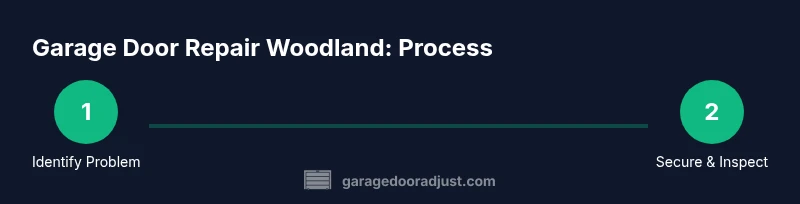
- 1
Identify the problem
Inspect the door for binding, unusual noises, and the opener’s response. Note whether the issue is with the door or the opener. Look for visible wear on tracks, rollers, springs, and brackets.
Tip: Take photos before disassembly to aid reassembly. - 2
Power down and secure the door
Unplug the opener or switch off the circuit. Use locking pliers to secure any moving parts and prevent accidental door movement while you work.
Tip: Never work on a door with power connected. - 3
Inspect springs, tracks, and rollers
Check for broken or stretched springs, bent tracks, or worn rollers. Confirm track alignment and tighten loose hardware if needed. Do not attempt to tension springs without professional help.
Tip: Handle springs only with appropriate tools and training. - 4
Lubricate moving parts
Apply lubricant to rollers, hinges, and tracks. Wipe away excess to prevent dirt buildup. Avoid getting lubricant on pulleys or the belt in openers.
Tip: Use a light, long-lasting lubricant suitable for metal parts. - 5
Replace worn components as needed
Swap out visibly worn rollers or brackets. If springs or cables show wear, consult a professional. Reassemble components carefully and double-check fasteners.
Tip: Do not mix up left/right components — label during disassembly. - 6
Test and finalize
Reconnect power and test the door’s operation: open, close, and reversal tests. Reprogram the opener if required and verify safety sensors function properly.
Tip: Test safety reversal to ensure it stops on contact.
Got Questions?
Is it safe to attempt garage door repair woodland by yourself?
DIY repair can be feasible for simple tasks like lubrication or minor track alignment. However, high-tension springs and cables pose serious injury risks, and missteps can cause door failure. If in doubt, consult a professional.
DIY repairs can be safe for simple tasks, but springs and cables are dangerous. When in doubt, hire a pro.
What are common signs my garage door needs repair?
Look for grinding or squeaking noises, jerky movement, doors that don’t open or close fully, misaligned panels, and opener sensor errors. These indicate mechanical wear or misalignment that warrants action.
Listen for noises, watch for jerky movement, and check sensor errors to know when to fix.
Do I need a professional for torsion spring replacement?
Yes. Torsion springs store a lot of energy and require specialized tools and training. A professional can safely replace springs and adjust balance and tension.
Spring replacement should be done by a pro because of the energy involved.
How often should I lubricate tracks and hinges?
Lubricate tracks, hinges, and rollers at least once a year, more often in dusty or humid climates. Wipe away excess to prevent debris buildup.
Lubricate yearly, more often if the area is dusty or humid.
What maintenance steps prevent future issues?
Regular inspections, cleaning, and lubrication, plus addressing loose hardware promptly, can prevent most common problems. Schedule an annual check, especially after severe weather.
Do regular checks and address loose parts quickly to avoid bigger problems.
Watch Video
Quick Summary
- Identify the issue before starting work.
- Safety is non-negotiable; disconnect power and wear PPE.
- Lubricate, align, and replace worn parts to restore operation.
- High-tension springs require professional handling.
- Regular maintenance prevents future problems.