Roller Door Motors: DIY Diagnosis, Installation, and Troubleshooting
A comprehensive, step-by-step homeowner guide to roller door motors, covering sizing, installation, safety, troubleshooting, and ongoing maintenance for a safe, reliable garage door.


By the end of this guide, you’ll identify different roller door motors, choose a compatible unit, and perform safe maintenance or replacement. You’ll learn essential safety checks, wiring basics, and when to call a pro. The GarageDoorAdjust team walks you through tool lists, step-by-step actions, and common pitfalls to avoid.
What is a roller door motor and why it matters
A roller door motor is the powered device that lifts and lowers your garage door along its tracks. It converts electrical energy into mechanical torque that moves the door smoothly. For homeowners, understanding the basics of roller door motors helps you choose a compatible system, diagnose issues early, and plan safe maintenance. According to GarageDoorAdjust, the right motor choice starts with matching the door weight, typical daily usage, and whether you want remote access or smart features. The motor type, drive mechanism, and safety interlocks determine reliability and quiet operation. Roller door motors come in different drive configurations (belt, chain, or screw) and voltages. The motor is mounted above the door or in a dedicated cabinet, wired to a control box, and wired through safety sensors. When the system is installed correctly, the door moves with consistent speed, stops at the right position, and reverses on obstacle detection. In poorly matched setups, the door may slow, bind, or wear out faster, leading to frequent repairs. This guide will help you navigate sizing, installation, and maintenance to maximize safety and longevity.
How they operate: drive types and core components
A typical roller door motor connects to a drive system inside the operator housing. It uses a mechanism (belt, chain, or screw) to convert motor torque into linear motion along the door track. Limit switches tell the controller when the door reaches fully open/closed positions; safety sensors detect obstacles. A properly sized motor includes overcurrent protection and automatic reversal. Wires run to a wall control and a remote, giving you convenient operation from inside and outside the garage. In many installations, the motor also integrates smart features like Wi‑Fi connectivity and app control; you can adjust settings via the control panel. The overall goal is smooth, quiet operation with consistent stopping points and reliable safety features. Continuous maintenance helps preserve these attributes and reduces the chance of unexpected failures.
Types of roller door motors: AC, DC, and drive configurations
Roller door motors come in several drive and motor styles. AC motors are sturdy and simple, often paired with belt or chain drives. DC motors offer smoother operation, typically with adjustable speed and hold‑in‑place capabilities for lighter doors. Belt‑drive systems tend to be quieter and smoother in everyday use, while chain‑drive can feel a bit louder but is very durable in busy garages. Screw‑drive units are compact and affordable, but can be more sensitive to misalignment and track wear. When selecting, consider door weight, frequency of use, noise tolerance, and whether you value smart features such as remote access or battery backup. Matching the motor to the door and existing hardware is key to long‑lasting performance.
Safety considerations and codes every installer should know
Before touching any wiring, switch off the power at the main breaker and lock out the circuit if possible. Install or verify safety sensors along the door track to detect obstacles and prevent injury. Ensure the manual release is accessible in case of power failure, and train all household members on safe operation. Wiring should follow local electrical codes, with proper strain relief, secure connections, and appropriate wire sizing. Regularly test the safety features—open and close the door slowly, observe the sensors, and confirm the door reverses on contact with a test obstacle. If you notice unusual noises, binding, or inconsistent stopping points, stop using the system and troubleshoot or consult a pro.
Sizing and selecting a motor: how to pick the right one for your door
Start by understanding the door’s weight, height, and total travel. The motor’s torque rating should be matched to the door’s load plus a margin for safety and wear over time. If you use the door heavily, a motor with higher starting torque and a robust drive train will deliver smoother operation and longer life. Consider drive type based on noise and space—belt drives typically offer quieter operation, while screw drives are compact. Don’t overlook mounting compatibility with existing rails and brackets, and check for smart features like mobile control or battery backup if that matters to you. Finally, verify warranty terms and service access in your region. A properly sized motor reduces strain on springs and gears, extending the system’s life.
Installation overview: what you need to know before you start
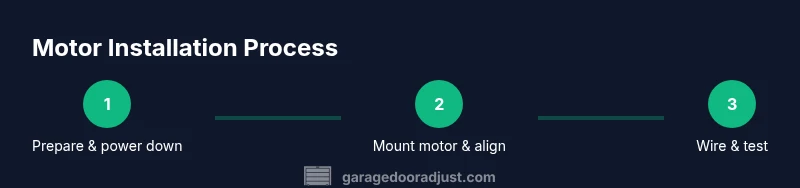
A safe and successful motor replacement or installation begins with planning. Confirm you have a compatible motor for your door weight and drive type, and locate a suitable mounting position that doesn’t interfere with the ceiling layout. You’ll need to remove the old unit, install the new mounting bracket, and align the drive train with the door’s trolley. Correct wiring to the control box, safety sensors, and limit switches is essential. After assembly, test the door for smooth travel, proper stopping points, and reliable reversal. If you encounter issues during alignment or wiring, pause and reassess rather than forcing components into place.
Troubleshooting common issues you may encounter with roller door motors
If the door stops before fully opening or closing, check for track alignment, worn rollers, and obstructions. A humming motor with no door movement usually signals a jammed drive, interlock fault, or a tripped circuit. Sensor misalignment often causes false obstruction detection; re‑aim the photoeye sensors and test again. Excessive noise can indicate worn gears, dry bearings, or insufficient lubrication. If you notice slow movement, inspect the track condition, balance springs, and ensure the door is properly balanced. In all cases, disconnect power before inspecting components and replace worn parts as needed.
Maintenance for longevity: simple routines that pay off
Regular lubrication of rails, bearings, and moving hardware reduces friction and wear. Keep tracks clean and free of debris, and verify the door is properly balanced on its springs. Periodically test safety features, measure travel limits, and update remote firmware if your model supports it. Visual inspections for loose screws, cracked brackets, or frayed wiring help prevent sudden failures. Maintain a clean, dry environment around the motor to minimize dust and corrosion. A proactive maintenance habit saves money and minimizes downtime over the life of the system.
GarageDoorAdjust perspective and final recommendations
The GarageDoorAdjust team emphasizes that the correct motor choice hinges on door weight, usage, and compatibility with the track and springs. Following a clear installation plan, using the right tools, and observing safety precautions are the fastest paths to a reliable setup. Regular maintenance and timely part replacements keep the system quiet and dependable. The GarageDoorAdjust verdict is to prioritize sizing accuracy and safety features over sheer motor power to maximize longevity and satisfaction.
Tools & Materials
- Replacement roller door motor (matched to door weight and drive type)(Choose model with torque margin and compatible mounting brackets)
- Safety glasses(Protect eyes from debris and springs)
- Work gloves(Improve grip and protect hands)
- Extending ladder(Reach ceiling-mounted components safely)
- Screwdriver set (Phillips and flat)(For brackets, covers, and fasteners)
- Socket wrench set(Tighten bolts on mounting plates)
- Pliers(Manipulate wires and connectors)
- Wire strippers(Prepare conductors for connectors)
- Voltage tester / multimeter(Verify power is off before touching wires)
- Measuring tape(Confirm alignment and track lengths)
- Wire nuts and electrical tape(Secure and insulate splices)
- Marker or pencil(Label wiring and mounting positions)
- Level and/or square(Important for precise mounting if walls are uneven)
Steps
Estimated time: 2-4 hours
- 1
Power off and secure the area
Turn off the main breaker feeding the garage opener and unplug the unit. Validate that there is no power at the motor using a voltage tester. Clear the work area and ensure a clear escape path in case of sudden movement.
Tip: Lock out the breaker if possible to prevent accidental re-energizing. - 2
Disconnect the old motor or drive
Carefully disconnect all wiring harnesses to the old motor and detach it from the mounting bracket. Keep track of screws and brackets, as some may be reused. Support the door if it is heavy to prevent it from dropping during removal.
Tip: Take photos of wiring before disconnecting to reference during reassembly. - 3
Measure and verify compatibility
Measure the door weight, track length, and existing brackets. Compare with the new motor’s torque rating and mounting pattern to ensure a proper fit. If mismatches exist, plan bracket adapters or a different model.
Tip: Have the door balanced on level ground before selecting torque and drive type. - 4
Mount the new motor housing
Position the new motor on the ceiling or wall mount and secure with the provided hardware. Make sure the motor aligns with the door’s trolley and does not interfere with the tracks or ceiling joists.
Tip: Use a level to ensure perfect alignment to avoid belt or chain binding. - 5
Connect drive components
Attach the drive belt/chain/screw to the trolley as per the manufacturer’s diagram. Ensure the connector is seated and tensioned correctly. Check that the drive rotates freely by hand before wiring.
Tip: Do not force components into place; use the manual guides to avoid gear damage. - 6
Wire to the control and safety circuits
Connect the motor to the control box, wall switch, and remote receiver as per the wiring diagram. Install or adjust safety sensors (photo eyes) on either side of the door track to ensure obstacle detection.
Tip: Double-check wire colors and secure strain relief to prevent pull-out. - 7
Install limits and test movement
Set the upper and lower travel limits according to the door height and spring balance. Run a test cycle to confirm smooth ascent, descent, and reversal on obstacles. Observe any unusual sounds or vibrations.
Tip: Start at conservative travel limits and adjust gradually for precision. - 8
Calibrate safety and pairing features
Verify that auto-reverse functions work with a test obstacle and re-pair any remote controls. Confirm that safety sensors alert appropriately and do not block normal door movement.
Tip: Test daily for the first week to confirm consistent behavior. - 9
Finalize and plan ongoing maintenance
Secure all covers, tidy wiring, and annotate the installation date. Create a maintenance calendar for lubrication, track alignment checks, and sensor tests. Keep a spare parts list on hand for quick replacements.
Tip: Document your installation for future reference and warranty claims.
Got Questions?
Do I need a professional to install a roller door motor?
Not always. Simple motor replacements can be DIY if you follow safety steps and use a compatible unit. Complex wiring or uncertain setups should be handled by a licensed technician.
You can do simple motor replacements yourself with care, but for complex wiring, hire a pro.
What should I consider when sizing a new motor?
Match the motor’s torque to your door’s weight and travel; oversizing wastes power, undersizing strains gears. Consider noise tolerance and available mounting space.
Size depends on weight and usage; bigger isn't always better, so pick a balanced option.
Are belt-drive or screw-drive motors better for noise?
Belt-drive motors are typically quieter and smoother; screw-drive can be louder but compact and reliable in some setups.
Belt-drive is usually the quieter choice for most homes.
What maintenance should I perform after installation?
Lubricate moving parts, check tracks for alignment, test safety sensors monthly, and inspect wiring for wear.
Lubricate and inspect monthly to keep things running smoothly.
Why is my roller door motor making a grinding noise?
Grinding often means worn gears, a misaligned track, or lacking lubrication. Stop using the unit and inspect or replace worn parts.
Grinding usually signals worn gears or a misaligned track; stop using and check.
Watch Video
Quick Summary
- Choose motor by door weight and usage.
- Safety first: disconnect power and verify sensors work.
- Proper alignment reduces noise and wear.
- Follow the step-by-step plan for a reliable install.
- Regular maintenance extends motor life.