How to Diagnose, Repair, and Install Commercial Roller Doors
A comprehensive, step-by-step guide for homeowners and facility managers to diagnose, repair, and install commercial roller doors safely. Learn safety checks, balance, track alignment, openers, and maintenance to keep doors reliable.


This guide helps homeowners and facility managers diagnose, repair, and install commercial roller doors. You’ll learn essential safety checks, how to assess door balance and track alignment, how to test the opener, and when to call a pro. Before starting, gather basic tools, wear PPE, and follow local codes for commercial installations.
Why Commercial Roller Doors Matter for Businesses and Homes
Commercial roller doors are a staple in warehouses, retail storefronts, and service centers because they combine space efficiency with reliable security. When these doors operate smoothly, downtime is minimized and entry points stay secure after hours. According to GarageDoorAdjust, a proactive maintenance routine reduces unexpected outages and extends door life. In practice, this means scheduling regular inspections, documenting issues, and applying manufacturer-recommended lubricants and adjustments. This section explains why durability, balanced operation, and proper clearance are essential for ongoing protection of inventory, equipment, and personnel. You’ll also learn how weather resistance and insulation impact energy costs, especially in climate-controlled facilities. A well-maintained system reduces noise, improves safety, and supports compliant operation in commercial settings.
How Commercial Roller Doors Differ from Residential Doors
Commercial roller doors are built for higher cycles, heavier loads, and tougher conditions than typical residential doors. They use heavier curtain materials, stronger tracks, and more robust motors designed for frequent use and longer operating hours. The balance between door weight and spring tension is critical for longevity and safe operation. Unlike residential doors, commercial systems may employ torsion springs and heavier counterweights, which require professional handling when adjustments are needed. When assessing a commercial roller door, consider the door height, doorway width, weather sealing, and the door’s opening speed. These factors influence installation choices, maintenance routines, and overall lifecycle costs. The resulting performance should deliver dependable access, reduced noise, and improved security for your facility.
Pre-Installation Planning and Safety Standards
Planning a commercial roller door project starts with a site assessment, including doorway dimensions, wall construction, and mounting points. Verify that the installation complies with local codes, electrical requirements, and any applicable safety standards for commercial doors. Create a written plan that covers rail alignment, door curtain mounting, weather sealing, and safety sensors. Before any installation or major repair, isolate the power supply and implement lockout-tagout procedures to prevent accidental operation. Documentation of the plan, approvals, and inspection steps helps ensure a smooth process and supports future maintenance.
Maintenance Routines to Extend Life
Preventive maintenance for commercial roller doors typically includes regular lubrication of moving parts, inspection of tracks for bends or obstructions, and testing safety features such as photoelectric sensors and auto-reverse mechanisms. A simple quarterly check can catch issues before they escalate. Use a high-quality lithium-based or silicone-based lubricant on rollers and hinges, and wipe away dirt to prevent grit from accelerating wear. Inspect weather seals for gaps and replace damaged strips to maintain energy efficiency and weather resistance. Keeping a maintenance log helps you track wear patterns and plan timely repairs, reducing downtime and extending service life.
Troubleshooting Common Issues
Common problems include slow operation, noisy cycles, misaligned tracks, and intermittent opening or closing. Start with a visual inspection of tracks and mounting brackets, then test the opener by disconnecting it from the door and operating manually to rule out electrical faults. If the door binds or sticks, check balance by manually lifting the curtain in small increments; if it doesn’t stay in place, there may be balance or spring issues requiring professional service. For safety-related symptoms such as unusual reversing, erratic stopping, or sensor misalignment, perform a systematic check of sensors, wiring, and safety-edge devices. Always prioritize safety; avoid attempting to adjust torsion springs yourself.
Choosing a Contractor or Pro for Repairs or Installation
When selecting a contractor for commercial roller doors, verify licensing, insurance, and references. Ask for a written scope of work, a clear materials list, and a breakdown of labor costs. Request confirmation that the team will test safety features after work and provide a concise maintenance plan. For owners in large facilities, consider a service agreement that covers 24/7 emergency response, routine inspections, and priority scheduling. Clear communication about expected timelines, disruption minimization, and post-installation support helps ensure a successful project and long-term reliability.
Tools & Materials
- Safety gear (gloves, goggles, hard hat)(Required for all handling and inspection tasks)
- Lockout/tagout kit(Ensure power is isolated before work)
- Tape measure or laser measure(For door and track dimensions)
- Wrenches and sockets set (including size needed for tracks and brackets)(Typically metric; check manufacturer specs)
- Screwdrivers (Phillips and flathead)(General fastener access)
- Lubricant (white lithium grease or silicone-based spray)(Use on rollers, hinges, and tracks as recommended)
- Rags and degreaser(Clean surfaces before lubrication)
- Level and square(Verify tracks and mounting are plumb)
- Temporary supports or clamps(Stabilize door during work)
- Replacement weather seals and track bolts(On-hand parts minimize downtime)
Steps
Estimated time: 60-120 minutes
- 1
Disconnect power and secure the door
Before any service, cut power at the main disconnect and physically secure the door to prevent movement. Use locking devices and confirm there is no voltage at the opener. This protects you from unexpected movement while inspecting components.
Tip: Double-check the document holding area for lockout procedures and post a visible warning near the door. - 2
Inspect balance and manually test the door
With the door disconnected from the opener, lift the curtain in small increments using the handle or manual lift. The door should stay in place at any tested height; if it drops or rises, balance or spring issues exist.
Tip: Do not attempt spring adjustments if you are not trained; this can be dangerous. - 3
Check tracks and mounting hardware
Visually inspect tracks for bends, dents, and obstructions. Ensure all brackets are tight and tracks are plumb; misalignment can cause binding and wear.
Tip: Use a level along the track at multiple points to verify straightness. - 4
Test the opener after manual checks
Reconnect power and test the opener with the button, remote, and auto-reverse sensor. Note any unusual sounds or slow operation that may indicate motor or gear train issues.
Tip: Observe a full cycle with caution; keep hands away from moving parts. - 5
Lubricate moving parts
Apply lubricant to rollers, bearings, hinge points, and track joints per manufacturer guidelines. Wipe away excess to prevent attracting dirt.
Tip: Avoid over-lubricating as it can attract debris and slow movement. - 6
Inspect safety features and wiring
Test photoelectric sensors and edge safety devices. Check wiring for wear and secure connections to prevent false triggers or failures.
Tip: If sensors are misaligned, adjust only according to the manufacturer’s instructions. - 7
Decide on repair scope and plan for pro help
If you encounter torsion spring issues, cracked tracks, or structural damage, plan to hire a qualified technician. Create a written scope, timeline, and cost estimate before starting the work.
Tip: Document findings with photos to support the service call.
Got Questions?
Do I need a professional to install a commercial roller door?
Installation often involves electrical, structural, and mechanical work. While some minor maintenance tasks are doable by homeowners, most installations should be performed by trained technicians to ensure safety and code compliance.
Most installations require a trained technician to ensure safety and code compliance.
Can I adjust door balance myself?
Door balance adjustments usually involve springs and weight distribution. These are hazardous and should be performed by professionals with the right tools and knowledge.
Balance adjustments can be dangerous; it's best to hire a professional.
What safety features should I test?
Test auto-reverse sensors, safety edges, and emergency stop. Ensure sensors are aligned and clear of debris so the door reverses when obstructed.
Test sensors and safety edges to prevent accidents.
How often should tracks be serviced?
Inspect tracks quarterly, clean, and lubricate as needed. Realign if you notice rubbing, binding, or unusual noise.
Quarterly track checks help prevent misalignment.
What maintenance can I perform myself?
Regular lubrication, cleaning tracks, checking fasteners, and testing sensors are appropriate for DIY. Reserve spring and major component work for pros.
You can do lubrication and sensor tests, but leave springs to pros.
Do commercial doors need permits for installation?
Permit requirements vary by location. Check with local building authorities and follow applicable electrical and safety codes.
Check local regulations before installing a new door.
What is the typical lifespan of a commercial roller door?
Lifespan depends on use, maintenance, and quality. A well-maintained system can provide years of reliable service; plan for periodic component replacement as part of the lifecycle.
With good care, these doors last many years; plan for periodic part replacements.
Watch Video
Quick Summary
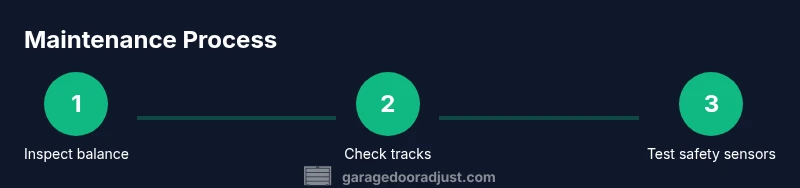
- Inspect balance and tracks before operating the door
- Prioritize safety: lockout, sensors, and proper PPE
- Document issues to guide repairs and contractor selection
- Choose maintenance plans that fit your usage pattern
- Call a pro for spring and structural problems