Replacement Glass for Garage Door: A Homeowner's Guide
Learn how to safely choose, measure, and replace a damaged glass panel on a garage door. This step-by-step guide covers tempered vs laminated glass, sizing, installation, weather sealing, and maintenance for homeowners.


By the end of this guide, you will confidently replace a broken or cracked glass panel on a standard sectional garage door. You’ll learn how to measure accurately, choose tempered or laminated glass, remove the damaged pane, install a correctly sized replacement, reseal for weather tightness, and safely test door balance and operation.
Why replacement glass for garage door matters
Replacing a damaged glass panel is not just about aesthetics; it affects safety, insulation, and function. Cracked glass can worsen with temperature changes, compromise weather seals, and increase the chance of injury from shattered shards. The right glazing—tempered or laminated glass—provides increased durability and safety in everyday use. According to GarageDoorAdjust, selecting glazing that matches the door profile and installing it with proper seals reduces drafts, minimizes noise, and extends the life of the door system. Homeowners who prioritize correct fitment and glazing type see better energy efficiency and a safer entry point for every season.
Glass options: tempered, laminated, and insulating glazing
There are several common glazing options for residential garage doors. Tempered glass is strong and shatters into small, blunt pieces for safety, but it requires precise handling and edge protection. Laminated glass holds together when cracked, providing a barrier against shards; it’s a preferred choice for doors near driveways or walkways. Insulated glass units (IGUs) improve energy efficiency but can be heavier and more complex to install. When selecting, weigh safety, weight, thermal performance, and local weather conditions. If you’re unsure, contact a glass supplier to confirm weep channels, spacer bars, and gasket compatibility with your door model.
Measuring for a precise fit
Accurate measurements are essential for a proper seal and safe operation. Start by measuring the height and width of the existing panel, including any bevels or edge chamfers. Account for the frame’s rebate depth, glazing bead thickness, and any interlocking features unique to your door. Always measure three times, and use the smallest dimension to guide your replacement size. If you’re replacing multiple panels, verify that each opening is consistent; slight variances can lead to binding or gaps once installed.
Choosing the right glass type for your door
Not all glass types are interchangeable across door brands or profiles. Tempered glass is common but isn’t easily cut after tempering, so precise pre-cut sizing is critical. Laminated glass adds safety and durability in residential settings, particularly for doors facing parking areas or walkways. For energy efficiency, insulated glazing with double panes may be available as an option, though it adds weight and may require frame reinforcement. When in doubt, consult a local glass shop about edge fabrication, coatings, and safety labeling requirements to ensure compliance with local standards.
Safety first: workspace, PPE, and door precautions
Before handling any glass panel, power down nearby openers and remove vehicles from the garage to prevent accidental movement. Wear cut-resistant gloves, safety goggles, and sturdy footwear. Secure the door in the fully open position with a prop or support to prevent movement while you work. Keep pets and children away, and protect surrounding flooring with drop cloths or cardboard. If you observe frame damage, bent hinges, or sticky tracks, address these issues before installing a new panel, as they can cause future misalignment and safety concerns.
Removing the damaged panel: overview
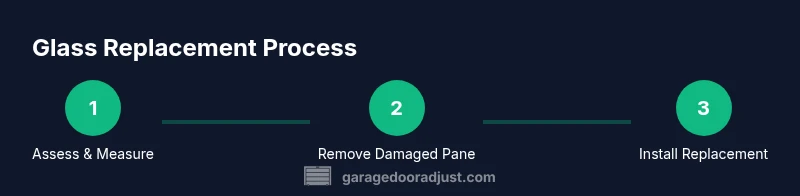
Begin by removing interior trim or glazing beads that hold the pane in place. Gently pry the beads with a plastic trim tool to avoid marring the finish. Support the old panel from the edges as you free it, using suction cups or a helper if the pane is large and heavy. Place the damaged glass on a padded surface and wrap it in thick paper or a towel to cushion impact. Inspect the frame for cracks, compromised sealants, or corrosion, and clean the rebate to ensure a clean seating surface for the new pane.
Installing the replacement panel and sealing
Dry-fit the replacement panel in the opening to verify square fitment. Apply a thin bead of neutral-curing silicone or a glazing sealant along the rebate. Seat the glass panel gently, aligning it with edge beads and interlocks, then reinstall glazing beads or fasteners with even pressure. Wipe away excess sealant before it cures. Finally, re-check track alignment and test the door for balanced movement, ensuring there is no binding or binding sound. Clean the glass surface with a non-abrasive cleaner and inspect the weather seals for gaps.
Post-install checks and maintenance
After installation, operate the door manually to ensure smooth movement, and reconnect the opener only after confirming the panel is secure. Check weather seals and replace any worn astragal gaskets to avoid drafts. Periodically inspect glazing edges for micro-cracks or edge separation, especially after temperature swings. Proper maintenance extends panel life and reduces the risk of future panel failure.
Common mistakes to avoid
Avoid cutting tempered glass or attempting to adjust the panel size on site; tempered glass cannot be resized without professional processing. Over-tightening glazing beads can crack the glass or damage the frame, while using silicone sealant incompatible with the glazing bead can trap moisture. Failing to support the door when removing a panel can cause the door to slip or the panel to drop. Finally, neglecting to verify weather seals after installation may lead to drafts and energy losses.
Tools & Materials
- Tempered glass panel (replacement)(Size measured to fit frame with tolerance +1/16 inch)
- Laminated glass panel (alternative)(Use if safety and longevity are priorities; heavier than tempered glass)
- Measuring tape(Inches and millimeters; measure width and height in three places)
- Glazing beads or glazing strips(Appropriate to door’s bead profile)
- Neoprene or silicone glazing sealant(Neutral cure; avoid silicone that adheres to glass edges)
- Gloves (cut-resistant)(Protect hands from edges and shards)
- Safety goggles(Eye protection against glass shards)
- Trim tool or plastic putty knife(Pry beads without scratching frame)
- Suction cups or helper(Assist handling large panels)
- Soft cleaning cloths and glass cleaner(Clean glass surfaces after installation)
Steps
Estimated time: 60-90 minutes
- 1
Prepare workspace and safety gear
Clear the area, remove vehicles, and set up protective coverings. Put on cut-resistant gloves and safety goggles, and ensure the door is in the open position to prevent movement while you work.
Tip: Double-check that the opener is unplugged or the battery is removed to avoid accidental operation. - 2
Remove interior trim/beads
Gently pry off glazing beads with a plastic tool, taking care not to scratch the frame. Keep fasteners organized because you’ll reuse them with the new panel.
Tip: Work slowly to avoid cracking the beads or bending the frame. - 3
Support and remove damaged panel
With a helper or suction cups, lift the damaged glass from the frame edges. Place it on a padded surface and wrap for safe disposal.
Tip: Maintain even support to prevent the glass from slipping. - 4
Clean the rebate and inspect frame
Wipe the frame’s interior to remove old sealant and debris. Check for cracks, rust, or bent beads that would impact the new panel fit.
Tip: Address frame defects before installing the new panel. - 5
Dry-fit the replacement pane
Set the new glass in the opening without adhesive to test fit. Check alignment with the beads and interlocks.
Tip: If it doesn’t fit, trim measurements precisely or consult a glass shop. - 6
Apply sealant and install the panel
Apply a thin bead of neutral-curing sealant along the rebate, set the panel, then reinstall glazing beads with even pressure.
Tip: Wipe away excess sealant immediately to prevent cured beads along edges.
Got Questions?
Do I need tempered glass for a garage door panel?
Tempered glass is common for safety; it shatters into small pieces rather than sharp shards. If local code or dwelling safety demands extra protection, laminated glass is a good alternative. Check with your door manufacturer or a local glass shop for model-specific guidance.
Tempered glass is common for safety and is often preferred, but laminated glass is a good alternative if you want extra protection.
Can I resize tempered glass on-site if it’s slightly too large?
Tempered glass cannot be cut after tempering, so size adjustments must be made before tempering or handled by a glass shop. Plan precise measurements and order a pane that matches the frame’s dimensions with a small tolerance.
No, tempered glass can’t be resized after tempering; you need the correct size from the start.
What safety equipment should I use during replacement?
Wear cut-resistant gloves, safety goggles, and sturdy footwear. Use a helper or suction cups for large panes, and keep pets and children away from the work area.
Use gloves, goggles, and a helper or suction cups to safely handle the glass.
Is insulating glass worth the extra cost?
If your garage is attached to the living space or experiences extreme temperatures, insulated glass can improve comfort and energy efficiency. Consider the weight impact on the door and whether reinforcement is needed.
Insulating glass can improve energy efficiency, but weigh weight and frame considerations before choosing.
How long does glass replacement typically take?
Most residential replacements take about one to two hours, depending on panel size and frame condition. Heavier doors or damaged frames can extend the time.
Generally about one to two hours, depending on door size and frame condition.
Should I hire a professional for replacement?
If you’re uncomfortable with glass handling, cutting, or working near the door’s moving parts, hire a professional installer. They will ensure correct fitment, sealing, and safe operation.
If you’re unsure about handling glass or maintaining door balance, a professional is the safer choice.
Watch Video
Quick Summary
- Ensure accurate measurements for safe fit.
- Choose tempered or laminated glass for safety and durability.
- Seal around the panel to improve energy efficiency.
- Follow safety steps and use proper PPE to avoid injuries.