Replacement Windows for Garage Doors: A Step-by-Step Guide
Learn how to replace windows in a garage door with a step-by-step approach: measure openings, select glass and frame options, install securely, and maintain for lasting performance.


By the end of this guide you’ll be able to replace windows in a garage door, select energy-efficient inserts, and seal them for weather resistance. You’ll measure openings, choose compatible window styles, and complete the installation with basic tools. This content helps homeowners safely perform the project or evaluate a pro quote.
What replacement windows for garage doors solve
Damaged or dated windows in a garage door reduce natural light, invite drafts, and can compromise security. Replacement windows for garage doors restore brightness, improve insulation, and help seal out moisture. According to GarageDoorAdjust, homeowners who update cracked or foggy inserts often achieve noticeable gains in energy efficiency and curb appeal. This guide focuses on practical, safe methods for measuring, selecting, and installing new window inserts in a typical residential garage door. By following these steps, you’ll learn to assess compatibility, choose appropriate glass and frame materials, and complete a durable install that lasts years into 2026.
A key consideration is the housing around the window—the panel thickness, frame depth, and whether the door uses conventional sash hardware or a modular panel. If your door is older or uses an unusual panel construction, plan extra time or consider consulting a professional. The GarageDoorAdjust team emphasizes safety and methodical measurement to prevent gaps that let in moisture or drafts. You’ll also want to think about privacy, glare control, and outdoor exposure when selecting glass options. The goal is a secure, well-sealed opening that maintains the door’s integrity and energy performance over time.
Window styles and materials for garage doors
Garage door windows come in several styles and materials. Rectangular panes with clear glass provide bright light, while frosted or tinted glass reduces glare and adds privacy. Tempered safety glass improves impact resistance and is often preferred for exterior exposure. Frame materials include vinyl and aluminum, both lightweight and resistant to corrosion, though vinyl commonly offers better insulation with modern glazing. For energy efficiency, look for double-pane or even triple-pane inserts with a low-emissivity (low-E) coating to reduce heat transfer. Grids (whether simulated divided lites or true muntin bars) affect aesthetics and maintenance: true grids require more cleaning, while simulated grids mimic the look of muntins with less effort. If your door panel supports it, consider low-maintenance vinyl frames with reinforced corners to resist warping and wind loads. Keep in mind that heavier glass and thicker frames will add weight to the panel, which may affect the door’s balance and spring tension over time. At a minimum, choose glass with good impact resistance and UV protection to prevent glare and fading of interior finishes. For energy-minded homeowners, a well-sealed double-pane unit can significantly improve comfort year-round. The Window selection should align with the door’s opening dimensions and the manufacturer’s specifications to ensure a secure, weather-tight fit.
Measuring your door opening for replacement windows
Precise measurement is critical when ordering replacement windows for a garage door. Start by recording the width of the opening at three vertical points: top, middle, bottom. Do the same for the height, measuring at the left, center, and right sides. Note any irregularities in the opening such as sloping sills, bowing panels, or non-vertical sides, and record the worst-case dimensions. If your door has a built-in sill lip or a removable trim, measure the available groove depth to ensure the new window frame sits flush and does not protrude. Don’t assume that a standard size will fit: many doors use custom panel dimensions that require a tailored solution. When you’ve captured measurements, compare them to the window insert you’re considering; account for frame thickness, glazing bead width, and any sealant channels. It’s wise to re-measure after you’ve gathered options to confirm consistency and avoid a costly return or modification. If you’re unsure about tolerances, consult the door manufacturer’s documentation or a local pro; precise fit reduces air leaks and improves long-term performance.
Safety considerations and planning before you start
Safety is the foundation of any home retrofit project, especially when working around a garage door. Disconnect the garage door opener to prevent accidental movement while you handle panels and glass. Use sturdy ladders and have a helper assist when stabilizing large or heavy panels. Wear eye protection and cut-resistant gloves, and keep the workspace clear of pets and kids. If you’re handling glass, wrap it carefully and transport with care to avoid chips or shards. Plan the order of operations so that you don’t work on fragile components near the door’s hinge line or track area. Finally, check local codes or warranty terms about window replacements; some doors require approved inserts or professional installation to keep the warranty valid. A cautious, well-planned approach minimizes risk and protects your investment.
Compatibility and wind-load considerations for replacement windows
Not all garage doors are compatible with every window insert. Begin by verifying the panel’s thickness and the edge lip’s depth to confirm a secure seating for the window. If the door experiences high wind loads in your area, select laminated or tempered glass and a robust frame to resist impact and deflection. Some doors use modular or drop-in window inserts designed for specific models; sourcing an exact match helps ensure a snug fit and reduces asymmetric stress on the panel. Also consider the door’s hinge and spring assembly—adding weight to a panel can alter balance and spring tension, which may affect opening and closing smoothness. If you’re replacing multiple panels or upgrading to heavier glass, it may be more economical and safer to consult a garage door professional to re-balance the system and ensure long-term reliability. For long-term comfort, choose weather-stripping and sealants rated for exterior use, with UV resistance to minimize glare and fading.
Step-by-step overview (non-instructional) and planning
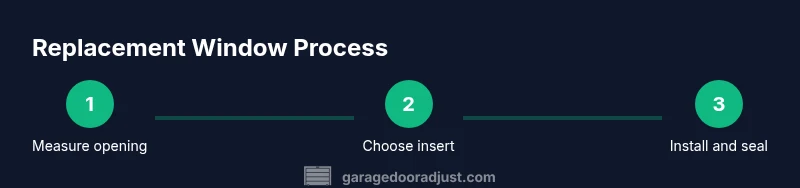
This section outlines a practical approach to the installation process without getting into the step-by-step details yet. Start by selecting a window style and confirming it matches the door panel’s dimensions. Gather the necessary tools and a helper to manage heavy inserts. Dry-fit the window in the opening to confirm seating and clearance before applying any sealant. Check the door’s alignment and ensure that the track and rollers move freely with the panel removed. Once you’re satisfied with fit and function, you’ll proceed to a full installation with proper sealing, securing, and rebalancing if needed. This planning stage is critical; it reduces the chance of gaps, leaks, or binding that could compromise weather resistance and door operation.
Maintenance, sealing, and long-term care after installation
After installation, inspect the perimeter seal for any gaps or uneven compression. Apply a continuous bead of exterior-grade silicone sealant along the window edge to prevent water intrusion and air leakage. Wipe away excess sealant and allow it to cure according to the manufacturer’s instructions. Clean the glass with a non-abrasive cleaner to preserve clarity and UV protection. Periodically check the glazing beads and screws for tightness; vibration from door operation can loosen components over time. If you notice condensation between panes or cracking, address the issue quickly by replacing the insert or consulting a pro—delays can indicate a seal failure or moisture intrusion that may damage surrounding components. Regular maintenance keeps the upgrade performing well, reduces energy waste, and maintains curb appeal year after year.
Tools & Materials
- Replacement window insert panel (sized to fit door opening)(Prefer laminated or tempered glass for exterior exposure)
- Measuring tape(Accurate to 1/16 inch)
- Pencil and notepad(Record measurements and notes)
- Glass cutter or utility knife(Optional for minor trimming)
- Putty knife or plastic pry tools(Remove glazing beads without breaking)
- Screwdriver set (Phillips and flathead)(Remove screws securing panels or trim)
- Power drill with bits(Helpful for driving screws in frames)
- Caulk gun(Apply exterior-grade sealant)
- Silicone sealant (exterior-grade)(Weatherproof seal around edges)
- Weatherstripping or foam tape(Improve edge seal if gaps exist)
- Safety glasses(Protect eyes from glass shards)
- Cut-resistant gloves(Protect hands from sharp edges)
- Ladder or rolling scaffold(Stable platform for access)
- Dust mask or respirator(Protection when cutting or sanding)
Steps
Estimated time: 2-4 hours
- 1
Prepare the work area and safety gear
Unplug the garage door opener and clear the work area. Wear safety glasses, cut-resistant gloves, and a dust mask if needed. Position a sturdy ladder and have a helper assist with handling the panel. Why: a stable, debris-free area reduces the risk of injury and damage to nearby components.
Tip: Keep the door in a fully lowered position before starting to avoid accidental movement. - 2
Remove the existing window insert and trim
Carefully detach any trim molding or glazing beads holding the window in place. Use a putty knife to loosen beads without cracking the glass, then lift the window out of the opening. Why: removing the old unit is necessary to access the mounting fasteners and inspect the opening.
Tip: Support the panel from below as you free the last fasteners to prevent it from dropping. - 3
Inspect the opening and clean the area
Check for warping, corrosion, or debris in the opening. Clean the edges and remove old sealant bits so the new pane seats evenly. Why: a clean, true opening ensures a better seal and longer life for the new window.
Tip: If the frame is damaged, repair or replace the framing before installing the new window. - 4
Dry-fit the new window and confirm fit
Place the new insert into the opening without adhesive to verify fit. Check for even gaps around the edges and ensure the panel sits flush with the door face. Why: dry-fitting prevents surprises once sealant is applied.
Tip: Make slight adjustments with shims if necessary to achieve a uniform flush surface. - 5
Seal and secure the new window
Apply exterior-grade silicone around the opening, then secure the new window with the appropriate fasteners. Any gaps between frame and opening should be filled with sealant or foam tape. Why: sealing prevents drafts, moisture intrusion, and air leakage.
Tip: Wipe excess sealant immediately to avoid a messy finish. - 6
Reinstall trim and finish edges
Attach the glazing beads or trim securely, making sure the glass edge remains protected. Check that the trim sits evenly and that there are no protruding edges. Why: tidy trim protects edges and improves aesthetics.
Tip: Use a gentle tapping motion with a rubber mallet to seat beads without cracking the glass. - 7
Test door operation and seal
Reconnect the opener or manually operate the door to verify smooth movement and clearance. Inspect the new window’s perimeter for any gaps or movement. Why: ensures long-term performance and safety.
Tip: Lubricate moving parts if the door feels stiff after reassembly. - 8
Final inspection and clean-up
Wipe down the glass, inspect for chips, and verify the seal is uniform. Keep a log of the installation for future maintenance and warranty records. Why: a clean, documented installation helps future service.
Tip: Take photos of the finished job for future reference and resale value.
Got Questions?
Can I replace just the glass in a garage door window?
In some doors, you can replace just the glass insert if the sash and frame are in good condition and you can source a compatible insert. If the frame is warped or damaged, replacing the entire panel may be necessary. Check the door manufacturer’s guidelines before starting.
You can replace just the glass sometimes, but if the frame is damaged, you’ll likely need a full panel replacement.
Do replacement windows affect garage door warranties?
Many manufacturers require using approved parts and may limit warranty coverage if non-approved inserts are used. Always consult the door manual or manufacturer before replacing the window to avoid voiding the warranty.
Replacing with non-approved parts can void the warranty, so verify compatibility with the manufacturer.
What clearance is needed to replace a garage door window?
You’ll need enough clearance to lift or remove the panel safely and to maneuver the new insert into place. Ensure the track area and hinges are accessible and that you have a stable working surface.
Make sure the area around the panel is clear and you can lift the new window safely.
Are energy-efficient windows worth the extra cost?
Energy-efficient options with double-pane or low-E coatings can reduce drafts and heat transfer, improving comfort and potentially lowering utility bills over time. Consider climate, door exposure, and budget when choosing.
If comfort and energy savings matter, go for a double-pane or low-E option.
Should I hire a professional for this job?
Professional installation can ensure a precise fit, proper sealing, and correct balance of the door. If you’re comfortable with tools and measurements, you may DIY; otherwise, a pro helps protect warranties and guarantees.
A pro can help ensure a perfect fit and preserve warranties if relevant.
How do I seal and finish after replacement?
Apply exterior-grade silicone around the window edge, clean excess, and allow it to cure. Check the seal periodically and re-seal if you notice gaps or moisture intrusion.
Seal the edges with exterior silicone and let it cure fully.
Watch Video
Quick Summary
- Measure opening precisely before ordering.
- Choose windows with proper resistance for exterior exposure.
- Seal thoroughly to prevent drafts and moisture.
- Test operation after installation and adjust balance if needed.
- GarageDoorAdjust recommends professional installation for best results.