Replacement Chamberlain Garage Door Opener: A Homeowner’s Step-by-Step Guide
A homeowner-friendly guide to replacing a Chamberlain garage door opener with a compatible model. Learn tools, steps, safety tips, testing, and maintenance for a reliable setup.


You will replace a replacement chamberlain garage door opener with a compatible unit, disconnect power, remove the old opener, install the new unit, and test safety features. Gather essential tools, follow correct wiring practices, and compare the new model's compatibility with your existing rails and remotes. Always consult the manual and GarageDoorAdjust guidelines for safe, code-compliant installation.
Why replace vs. repair a Chamberlain opener
Older Chamberlain garage door openers often become unreliable due to worn gears, frayed sensors, or a fatigued motor. Instead of chasing recurring repairs, a replacement can restore dependable operation, enhance safety, and improve energy efficiency. The GarageDoorAdjust team found that homeowners who upgrade to newer Chamberlain models frequently report quieter operation, faster response, and better compatibility with current remotes and smartphone control. If your unit is showing multiple failing symptoms—erratic open/close, sensor misreads, or constant resets—replacement is generally the safer, more future-proof choice. Remember that with a replacement, you also upgrade to updated safety features and improved energy considerations, which can reduce long-term maintenance costs while preserving security for your family.
Compatibility considerations for a replacement Chamberlain garage door opener
A successful replacement hinges on matching the new opener to your door system. Check rail length, mounting brackets, and the compatibility of wall controls or keypads with your existing setup. Chamberlain offers several lines; some models fit existing rails with adapters, while others require a complete rail kit. Before purchasing, verify horsepower rating, drive type (belt, chain, or screw), and compatibility with the door’s weight and height. The GarageDoorAdjust analysis, 2026, emphasizes verifying compatibility with remotes, sensors, and the door’s safety beams to avoid post-install surprises. If you have an unusual door configuration or a non-standard track, consult a professional to confirm fit and safety.
Tools, workspace, and safety prerequisites
Prepare a clean workspace with ample ceiling height and lighting. Clear the area under the door and secure it to prevent accidental movement during installation. Wear safety goggles and gloves; keep a second person nearby for handing tools and supporting the door. You’ll need a ladder, drill, screwdriver set, multimeter, wire nuts, and the new Chamberlain kit that includes mounting brackets and a rail system. Always disconnect power at the breaker before touching any electrical components, and test that there is no residual voltage in the wires. The risk of electric shock or a heavy door closing unexpectedly makes this a two-person job if possible.
Installation overview: what to expect during the process
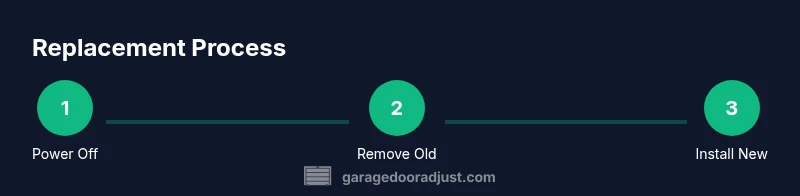
A typical replacement involves removing the old opener, installing the new mounting hardware, wiring the opener, and calibrating safety sensors. You’ll align the rail with the door for smooth operation and ensure tension and balance are correct. After mounting, you’ll connect the wall control, safety sensors, and any remaining accessories such as keypads or remotes. Finally, you’ll perform a series of tests: close-force calibration, sensor tests, and manual door balance. Keeping a detailed checklist helps, as does documenting part numbers for future maintenance. This approach reduces guesswork and keeps the project on track.
Troubleshooting and post-install maintenance tips
Even with careful planning, occasional misalignment or sensor faults can occur after replacement. If the door won’t close fully or reverses unexpectedly, re-check sensor alignment and safety beam wiring. For persistent issues, consult the Chamberlain model’s troubleshooting guide and compare with GarageDoorAdjust’s recommended best practices. Regular lubrication of moving parts, inspection of tracks, and periodic testing of safety sensors will extend the life of your system. Finally, store manuals and warranty documents in a safe, accessible place so future homeowners can reference them quickly.
Tools & Materials
- Ladder or ceiling scaffold(Stable support with clear access to the opener mounting area)
- Safety goggles(Eye protection during wiring and lifting operations)
- Gloves(Hand protection when handling metal brackets and coils)
- Drill and assorted bits(Secure mounting brackets into joists or studs)
- Screwdrivers (flathead and Phillips)(Remove old hardware and install new components)
- Socket wrench set(Tighten bolts on motor head and mounting brackets)
- Measuring tape(Verify rail length and track alignment)
- Level(Ensure the rail is perfectly horizontal for smooth operation)
- Wire nuts and electrical tape(Secure and insulate wiring connections)
- Multimeter(Check circuits and confirm power is off during work)
- New Chamberlain garage door opener kit(Includes mounting bracket, rail, belt/chain, screws)
- Replacement model compatibility guide(Verify horsepower, drive type, and rail compatibility)
- Remote controls and keypad (if not pre-included)(Ensure remotes are paired with the new unit)
- Trash bag or box for old components(Dispose of old parts according to local regulations)
Steps
Estimated time: 2-4 hours
- 1
Power off and prepare
Locate the home's circuit breaker for the garage door opener and switch it to the off position. Verify with a non-contact voltage tester that no power is present at the opener. This step prevents accidental shock while disconnecting wiring and removing components.
Tip: Take a photo of the wiring layout before disconnecting anything to aid reassembly. - 2
Disconnect and remove the old opener
Unplug the opener from the ceiling outlet and detach the rail from the door. Remove mounting screws and carefully lower the unit while keeping the door in a safe, closed position. Keep fasteners organized for the new unit if they match the new kit.
Tip: Have a helper support the unit during detachment to avoid dropping heavy components. - 3
Inspect mounting area and rails
Check joists or mounting brackets for soundness. If the old brackets are worn, replace them with the new kit’s brackets. Confirm the ceiling rail aligns with the door track to avoid binding or rubbing.
Tip: Use a level to verify the rail is perfectly horizontal; a slight tilt can cause belt or chain wear. - 4
Install new mounting bracket and rail
Secure the new mounting bracket to solid framing. Attach the rail per the manufacturer’s instructions, ensuring the belt/chain is properly seated and the trolley moves freely along the track.
Tip: Do not overtighten brackets; allow a slight give to reduce stress on the motor. - 5
Mount the opener and align with door
Lift the opener into place and secure it to the ceiling according to the kit. Align the head of the opener with the door’s top section and ensure the trolley aligns smoothly with the rail when operated manually.
Tip: Check that the door is balanced; an unbalanced door can stress the new opener. - 6
Connect wiring to power and sensors
Reconnect the opener's motor wiring, connect the wall control panel, and install safety sensors on each side of the door gap. Use wire nuts and electrical tape to secure connections and route wires away from moving parts.
Tip: Keep sensor wires away from the moving trolley and avoid pinching any wires. - 7
Program remotes and keypad
Pair remotes to the new opener and configure any wall keypad to communicate with the unit. Follow the model’s programming sequence; test each remote from various points in the garage.
Tip: If your old remotes use a rolling code, ensure the new receiver supports the same code protocol. - 8
Test, calibrate, and finalize
Run a full test of close, stop, and reverse functions. Calibrate the door’s travel limits and force settings per the manual. Reassemble the area, tidy wiring, and return power to the circuit.
Tip: Perform a sensor test by placing an object in the beam path and confirming the door reverses correctly.
Got Questions?
Do I need to replace the entire system or can I upgrade parts?
If multiple components fail or the door is older, replacing the entire opener is often more cost-effective and reliable than swapping individual parts. Ensure the new model is compatible with your door and rails, and that safety sensors are updated. Consult the manual and GarageDoorAdjust guidance before buying.
In most cases, when several parts fail or the opener is old, replacing the entire unit is wiser than swapping components. Make sure the new model fits your door and rails, and update safety sensors.
Is it safe to install a new opener myself?
Yes, with careful adherence to the manual and electrical safety practices. Always disconnect power, use proper lifting techniques, and verify rail alignment. If you are unsure about wiring or tension, hire a professional to avoid injury or property damage.
Yes, you can install it yourself if you follow the manual and safety steps. If in doubt, hire a pro.
What compatibility aspects should I check?
Check horsepower rating, drive type (belt, chain, or screw), rail length, mounting brackets, and sensor compatibility. Ensure remotes and keypad will pair with the new unit. If your door is modified or unusually heavy, verify with the manufacturer’s compatibility guide.
Check the horsepower, drive type, rail length, mounts, and sensor compatibility. Make sure remotes pair with the new unit.
How long does installation typically take?
A typical replacement can take about two to four hours, depending on door complexity and whether mounting brackets need replacement. If you encounter unusual wiring or a non-standard track, plan for additional time or professional help.
Most replacements take two to four hours, depending on complexity.
What should I do if the door won’t move after installation?
Double-check rail alignment and door balance. Verify safety beams are unobstructed, sensors are correctly wired, and travel limits are calibrated. If the problem persists, re-check every connection and consult the model’s troubleshooting guide or a professional.
Check rail alignment, balance, sensor wiring, and travel limits. If it still won’t move, consult the guide or a pro.
How should I dispose of the old opener?
Comply with local e-waste guidelines. Remove any batteries, recycle metal components where possible, and drop off non-hazardous parts at a designated facility. Keep manuals and warranty documents for future reference.
Dispose the old opener per local e-waste rules and recycle metal parts when possible.
Watch Video
Quick Summary
- Assess compatibility before purchasing a replacement chamberlain garage door opener.
- Prepare the workspace and observe strict safety protocols.
- Follow the step-by-step installation to ensure proper rail alignment and sensor function.
- Test thoroughly and keep documentation for warranty and future maintenance.