Renew Your Garage Door: Step-by-Step Repair Guide
Learn how to renew your garage door with a homeowner-friendly, step-by-step guide. Inspect components, replace worn parts, refresh weather sealing, lubricate moving joints, and verify safe operation.


This guide shows you how to renew a garage door through a thorough inspection, replacing worn parts, refreshing weather stripping, lubricating moving joints, and confirming safe operation. You’ll learn a clear plan, essential tools, and step-by-step actions you can perform as a homeowner. Renewing your door boosts reliability, energy efficiency, and safety, while often avoiding a costly full replacement.
Why Renew Garage Door Matters
Renewing a garage door isn't just about aesthetics—it improves reliability, safety, energy efficiency, and long-term value. According to GarageDoorAdjust, renewing a worn or outdated door is often cheaper and safer than a full replacement. When you renew a door, you address common failure points such as dry rollers, frayed cables, cracked weather seals, and misaligned tracks before they cause expensive damage or door failure. A renewed system operates more quietly, requires less energy to move, and reduces draft infiltration, which can lower heating and cooling costs over time. Homeowners who undertake a renewal typically experience quicker door operation, fewer interruptions, and increased confidence in daily routines. The goal is to restore proper balance, secure closing, and predictable performance, not to disguise underlying structural problems. If the door has frame damage, severe rust, or a clearly bent track, renewal may not be sufficient and a replacement should be considered. Throughout this guide, we’ll outline a practical, safety-conscious approach you can follow to renew garage door components safely and effectively.
Signs It's Time to Renew Your Garage Door
Look for persistent wear that affects performance: creaking sounds, uneven movement, or slow response from the opener indicate components are wearing out. Visible damage such as cracks in panels, corroded hinges, or frayed cables are clear signals that renewal is warranted. If weather seals look cracked or compressed, drafts may be slipping into your garage, forcing your HVAC to work harder. Misaligned tracks or doors that rub against the frame can signal safety risks, especially if the door stops mid-travel. Finally, if you’re routinely calling for repairs or paying rising maintenance bills, it may be more economical to renew the door now rather than chase ongoing fixes. Early renewal also reduces the chance of sudden door failure, which can cause injury or property damage. Based on GarageDoorAdjust analysis, addressing these signs promptly preserves door performance and helps maintain home value.
Planning Your Renewal: Safety, Codes, and Budget
Before you touch a door, set safety as a priority. Disconnect the opener, secure the door in the closed position, and wear eye protection and gloves. Review local codes and manufacturer recommendations to ensure compatibility for weather seals, tracks, and springs. Create a simple budget that accounts for weather stripping, rollers, hinges, and lubrication, plus a small contingency for unexpected issues. A renewal should balance cost with reliability: replacing a few critical components (like worn rollers or damaged weather seals) can yield a large improvement without the expense of a full door replacement. By planning, you’ll renew garage door components efficiently and minimize downtime. This phase also helps you estimate time and decide whether you’ll do it yourself or hire a professional for complex tasks.
The Renewal Process: Weather Stripping, Panels, and Hardware
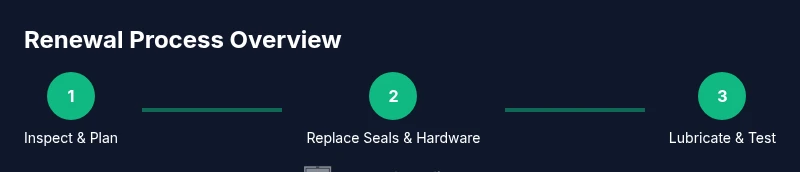
A typical renewal focuses on three areas: weather sealing, hardware, and cosmetic panels where needed. Start by inspecting weather stripping at the bottom and sides; replace cracked seals to reduce drafts and keep the interior dry. Check rollers, hinges, and tracks for wear or misalignment; replace worn components to restore smooth operation. If panels are damaged, evaluate whether replacement panels are available and cost-effective for your door model. In some doors, minor panel repair can be a practical midway solution. Finally, verify that all fasteners are tight and that the door tracks are vertical and plumb. By refreshing these parts, you’ll renew garage door performance and extend its life while maintaining safety and energy efficiency.
Maintenance Habits to Extend Life
After renewal, adopt a regular maintenance routine to keep the door operating smoothly. Lubricate moving components with a silicone-based or lithium-based spray, focusing on hinges, rollers, and track joints. Wipe down any dust or debris that accumulates on the tracks and weather seals. Check balance by lifting the door halfway; it should stay in place—an indication of proper balance. Test the auto-reverse safety feature monthly to ensure it responds correctly to obstructions. Seasonal checks—before winter and after peak summer—help catch wear before it escalates. Consistent maintenance reduces the likelihood of unexpected failures and preserves energy efficiency.
Common Mistakes and How to Avoid Them
Avoid skipping safety steps or bypassing the opener's safety features. Never work under a door supported only by the opener or springs. Don’t mix old and new parts or attempt to mix brands without confirmation of compatibility. Take accurate measurements and keep track of replaced components with photos or notes. Finally, don’t rush the process—careful inspection and deliberate adjustments yield a safer, longer-lasting renewal.
Tools & Materials
- Extension ladder(Stable, tall enough to reach the door safely (at least 6-8 ft).)
- Screwdrivers (Phillips and flat-head)(Magnetic tips help prevent dropped screws.)
- Cordless drill with driver bits(Philips and flat bits; use low torque to avoid stripping screws.)
- Putty knife(Useful for cleaning tracks and removing old sealant.)
- Weather-stripping kit(Bottom seal and side seals sized to your door. Measure before purchasing.)
- Lubricant spray (silicone or lithium-based)(Avoid WD-40 on nylon rollers; use lubricant designed for garage doors.)
- Replacement rollers/hinges (if needed)(Only replace if worn or damaged; mismatched parts can cause binding.)
- Safety gloves(Protect hands from sharp edges and pinch points.)
- Measuring tape(Needed for seal and panel sizing to ensure correct fit.)
Steps
Estimated time: 60-120 minutes
- 1
Inspect the door and hardware
With the door closed, examine panels for cracks, hinges for wear, cables for fraying, and tracks for bends. Note all damaged parts and capture photos for reference. This initial assessment guides what to renew rather than replace.
Tip: Take photos from multiple angles so you can compare changes later. - 2
Prepare tools and safety setup
Clear the workspace, unplug the opener, and secure the door in the closed position using clamps or C-clamps. Gather your tools and lay them out so you don’t have to search mid-task.
Tip: Work with a partner if possible; a second set of hands helps with heavy panels or springs. - 3
Replace weather seals and track components
Remove the old weather strip at the bottom and any side seals; install new seals ensuring a snug fit without gaps. Inspect tracks for dents and clean them; straighten if minor and replace worn rollers/hinges as needed.
Tip: Use the correct seal size for your door model to avoid gaps or interference. - 4
Address panels or cosmetic repairs
If panels show damage, decide whether to replace individual panels or the entire panel set. For non-structural cracks, consider cosmetic repair options that won’t compromise strength.
Tip: Only replace panels that are structurally necessary to avoid overbuying parts. - 5
Lubricate and align
Lubricate hinges, rollers, and track joints; wipe away excess lubricant. Check alignment by running the door slowly; adjust screws and alignment brackets until the door travels smoothly without rubbing.
Tip: Use minimal lubricant on non-metal components to avoid dust attraction. - 6
Test safety features and balance
Reconnect power, test the opener’s auto-reverse, and balance the door by lifting halfway to ensure it stays in place. Confirm no unusual noises or resistance.
Tip: If the door doesn’t balance, stop and reassess spring tension or seek professional help.
Got Questions?
What does renewing a garage door involve?
Renewal typically includes inspecting components, replacing worn parts, sealing/weather stripping, lubricating tracks and hinges, and testing safety features. It doesn’t necessarily require a full door replacement.
Renewing a garage door means inspecting and refreshing parts, sealing, lubricating, and testing safety features.
Is renewal cheaper than a full replacement?
In most cases, renewal focuses on the weakest links and can be far less expensive than replacing the entire door. Costs vary by parts and door type, but renewal often yields a strong return on investment.
Renewing parts is usually cheaper than replacing the whole door, with costs varying by parts and door type.
How long does renewal take?
Most renewal tasks take between 1 and 2 hours, depending on door type, extent of wear, and whether parts are readily available.
Most renewals take about an hour or two, depending on the door and wear.
Do I need a permit for renewal?
Permit requirements vary by location and project scope. For straightforward seal and hardware replacements, a permit is often not required, but check local codes before starting.
Permit needs vary by area; check local codes first.
What parts wear out fastest in a garage door?
Bottom weather seals, rollers, hinges, and tracks commonly wear due to use and exposure. Replacing these parts when worn minimizes binding and noise.
Weather seals, rollers, hinges, and tracks are the parts that most often wear out.
Quick Summary
- Renewal focuses on seals, hardware, and alignment
- Safety and proper testing are non-negotiable
- Regular maintenance reduces future costs
- Document changes for future reference
- Renewal can extend door life without full replacement