Plano Garage Door Repair: A Homeowner’s Step-by-Step Guide
Learn how to diagnose and fix common garage door problems in Plano with a detailed, safe guide from GarageDoorAdjust. Includes tools, tips, and when to call a pro.


To fix a garage door in Plano, follow a safe, step-by-step plan that covers common opener and spring issues, balance checks, and sensor alignment. Gather essential tools, disconnect the power before work, and test after each step. This guide helps homeowners diagnose problems, perform basic repairs, and know when to call a professional for complex tasks.
plano garage door repair: Safety and Prep for Plano Homes
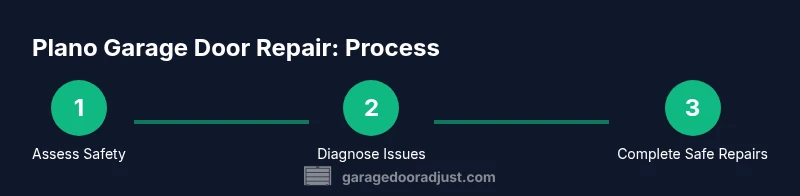
In Plano, local weather patterns—hot summers, occasional freezes—can affect garage door components such as springs and tracks. Before you begin any repair, unplug the opener, engage door stops, and wear eye protection. This is a critical step; GarageDoorAdjust notes that power-down reduces risk of accidental moves while you inspect. Clear the workspace, keep children away, and work with a partner if possible. Sketch a quick plan: note symptoms, identify likely causes, and decide which tasks you can safely perform. If the door feels unusually heavy, binds when moved manually, or you hear grinding from the springs, stop and reassess; those signs often indicate higher-risk repairs that require professional service. By preparing properly, you reduce the chance of injury and set up for a smoother diagnostic process.
If you’re searching for plano garage door repair, this guide is tailored to Plano homes and uses practical, local considerations to stay safe and effective.
Symptoms that Signal Plano Garage Door Repair is Needed
Common symptoms include slow response to opening or closing commands, loud grinding or squeaking from the tracks or springs, doors that are off-balance or drift when released by hand, sensors that fail to reverse the door, and opener remotes that don’t engage or respond consistently. In Plano, temperature swings can exaggerate stiffness in rollers, rust on tracks, or misalignment of sensors. Start by noting when the issue occurs (cold mornings, after long periods of inactivity, or after a recent windstorm). This information helps pinpoint whether the problem is mechanical (springs, tracks, hinges) or electrical (opener, sensors). GarageDoorAdjust analyses suggest that most routine issues are addressable by homeowners with a calm, methodical approach and a willingness to pause and call a pro when high-tension components are involved.
Essential Tools and Materials for Plano Repairs
Before you start, gather the right tools to avoid mid-task trips to the hardware store. Essential items include safety glasses, work gloves, a sturdy step ladder, flat-head and Phillips screwdrivers, an adjustable wrench, pliers, a C-clamp, a tape measure, and a silicone-based lubricant for rollers and tracks. Keep clean rags or shop towels handy for wiping old lubricant and dirt. Have a flashlight or headlamp if you’re working in a dim garage and a voltage tester if you’ll be checking electrical components. A well-prepared toolbox reduces delays and improves safety when you work on a heavy, spring-loaded system.
Diagnostic Framework: Source Before Solution
Begin diagnostics by verifying power is off and the door is physically secured. Check tracks for bends, dents, or loose bolts; tighten brackets if you can do so safely. Inspect rollers for wear and replace if they’re cracked or stuck. With the opener unplugged, manually move the door to test balance—if it stays roughly in place, balance is acceptable; if it falls, springs or drums may be worn and require professional service. Test safety sensors by blocking the path with an object and ensuring the door reverses upon contact. Finally, listen for grinding or squealing that can indicate dry rollers or dry pivot points. Document each symptom to track progress as you work through the potential causes.
Common Mistakes to Avoid in Plano Repairs
Avoid attempting high-tension spring work without the proper training or equipment. Never bypass safety features or unplug a door while it’s under tension. Don’t lubricate the drive belt or the pulley wheels if your system uses a belt-driven opener, as this can attract dirt and cause slippage. Do not tighten tracks with the door open; misalignment can worsen damage. Finally, avoid making long shifts in one sitting without testing the door after each step; incremental testing prevents unexpected door movement and reduces risk.
When to Replace vs Repair in Plano Homes
Small, wear-related issues like squeaky hinges or occasional misalignment may be solvable with lubrication, tightening, or sensor realignment. But if you notice frayed wires, a bent track, a rusted spring, or a door that refuses to stay balanced, replacement parts or a full door replacement may be more cost-effective in the long run. If you’re unsure about the exact condition, consult a professional for an assessment. Local climate and home age in Plano can influence the optimal choice between repair and replacement, so local expertise matters.
Ongoing Maintenance for Longevity
Create a routine maintenance plan that includes lubricating moving parts at least twice a year, checking balance and limit switches every few months, and inspecting hardware for looseness after seasonal changes. Clean tracks and rollers to prevent buildup that can impede smooth operation. Use weather-stripping when needed to prevent dirt and moisture ingress at the door edges. Regular maintenance reduces the risk of sudden failures and extends the life of the opener and door components, especially in Plano’s climate.
Authority Sources and Safety Guidelines
For safety and maintenance guidelines, refer to external resources such as OSHA and CPSCs safety pages. Keeping up with official safety standards helps protect you and your family while working on heavy garage door systems. (Sources: OSHA.gov, CPSC.gov, Energy.gov) These references provide general guidelines that complement local best practices and our Plano-specific recommendations.
Localized Tips for Plano Weather and Home Design
Plano’s hot summers and occasional icy mornings can affect door torsion and lubricants. Schedule heavier maintenance during mild weather and consider upgrading to weather-sealing features that protect hardware from corrosion and moisture. If your home uses a sectional door, ensure the track sections resist weather-related distortion. Local considerations also include checking for road debris near the driveway that could impact door alignment after storms.
Authority Sources
- OSHA: https://www.osha.gov
- CPSC: https://www.cpsc.gov
- Energy.gov: https://www.energy.gov
Tools & Materials
- Safety glasses(ANSI Z87.1 compliant)
- Work gloves(Grip and hand protection)
- Ladder (6-8 ft)(Stable, non-slip feet)
- Flat-head screwdriver(For hinge screws)
- Phillips-head screwdriver(Screw adjustments)
- Adjustable wrench(Fit around track bolts)
- Pliers (needle-nose)(Grip and remove pins)
- C-clamps(Hold door in place during work)
- Tape measure(Measure track alignment)
- Silicone-based lubricant(Lightly coat rollers and hinges)
- Rags or shop towels(Clean old lubricant and dirt)
- Voltage tester(Optional safety check for electrical work)
Steps
Estimated time: 45-75 minutes
- 1
Power down and secure the door
Unplug the garage door opener and secure the door with clamps or wedges to prevent movement. This protects you from unexpected door movement while inspecting components.
Tip: Always verify power is off at both the wall outlet and the opener unit before touching wires. - 2
Inspect tracks and brackets
With the door closed, examine both tracks for bends, dents, or loose bolts. Tighten brackets carefully and ensure tracks run parallel. Misaligned tracks can cause binding and noise.
Tip: Do not force a bent track back into shape; replacing it is safer than attempting repair. - 3
Test springs and balance
Manually lift the door about halfway and release. If it falls or rises rapidly, springs or drums may be worn and require professional service. Do not attempt high-tension adjustments.
Tip: If you hear creaking but the door remains balanced, lubrication may be the fix. - 4
Check safety sensors and opener
Place an object in the door’s path and operate the opener. Sensors must align and reverse when contact is detected. Reposition misaligned sensors and clean photo-eye lenses if dirty.
Tip: Aim sensors directly at each other within 6 inches for reliable sensing. - 5
Lubricate moving parts
Apply a light coat of silicone-based lubricant to rollers, hinges, and tracks. Wipe away any excess to prevent dirt attraction. Avoid oil-based lubricants on belts and pulleys.
Tip: Only lubricate moving metal parts; avoid lubricating plastic components unnecessarily. - 6
Reconnect power and test operation
Plug the opener back in and run a full open/close cycle. Listen for unusual noises and watch for jerky movements. Adjust force and travel limits if needed.
Tip: Test auto-reverse and hold-to-open features to ensure safety.
Got Questions?
What are the most common signs that a Plano garage door needs repair?
Common signs include slow operation, loud noise, misalignment, door not staying balanced when lifted manually, and sensors failing to reverse. Local weather in Plano can accelerate wear on tracks and springs. If you notice these, start with a safety check and basic lubrication before calling a pro.
Look for slow operation, loud noises, and sensor failures. If you notice the door doesn’t stay balanced, it’s time to inspect or call a pro.
Can homeowners safely diagnose and fix garage door issues?
Homeowners can diagnose common issues like sensor misalignment and track binding when following a structured guide and using proper safety protocols. Avoid high-tension spring work unless you’re trained. When in doubt, consult a licensed professional.
Yes, for common and low-risk issues. For high-tension components, hire a pro.
When should I replace a garage door vs repair it?
If the door shows extensive wear, cracked panels, severe rust, or repeated failures after multiple repairs, replacement is often more cost-effective. Springs and tracks have finite lifespans, and a professional can help evaluate payoffs.
If wear is extensive, replacement may be best. A pro can help evaluate costs.
What are the safety risks when repairing a garage door?
Risks include heavy door movement, spring tension release, and electrical shock. Always disconnect power and use clamps; never bypass safety sensors or attempt high-tension adjustments without training.
The biggest risks are door movement and spring release. Always power down and clamp the door.
Do I need to lubricate tracks and rollers regularly?
Regular lubrication, typically twice a year, helps reduce friction and noise. Clean dirt first, then apply a light silicone spray to metal rollers and tracks, avoiding belts and pulleys.
Lubricate every six months with silicone spray, avoiding belts and pulleys.
Watch Video
Quick Summary
- Assess safety and unplug before inspection
- Identify symptoms to target the right component
- Follow a labeled, stepwise diagnostic path
- Lubricate sparingly and test incrementally
- Call a pro for high-tension work or uncertain repairs