Garage Door Repair in Spring TX: A Homeowner Guide
Step-by-step instructions for diagnosing, repairing, and maintaining garage doors in Spring, Texas. Learn safety, tools, and when to call a pro for hard-to-handle issues.


Here's a clear plan to perform garage door repair in spring texas with safety at the center. This quick guide outlines how to diagnose common problems, confirm the issue, and perform basic fixes or adjustments. You'll also learn what tools you need, how to test the door, and when to contact GarageDoorAdjust for professional help.
Safety and Local Context for Spring Texas
Spring, Texas experiences hot, humid summers and occasional severe weather, all of which can stress garage doors and openers. In this climate, metal components expand and contract, seals degrade faster, and humidity can affect electronics in the opener. According to GarageDoorAdjust, homeowners who follow a safety-first plan reduce injuries and costly mistakes. Before you begin any repair, unplug the opener, secure the door on the ground with wooden wedges, and keep children and pets away. Use a sturdy ladder on level ground if you must reach tracks or hinges. This article focuses on non-destructive checks you can perform during a typical Spring TX season, and clearly defines when a professional is required. The plan below emphasizes understanding the door’s balance, lubrication, alignment, and safety features. If you search for garage door repair in spring texas, you’ll want a methodical approach that minimizes risk while ensuring a reliable door for daily use.
Tools and Safety Gear You Need
To work safely on a garage door, prepare a simple toolkit and protective gear. Organize items beforehand so you aren’t scrambling mid-repair. Always wear safety glasses and work gloves. A good flashlight helps you see in tracks and hinges, especially in the shade of a garage. Keep a sturdy, rated ladder and a helper if you must reach high components. The following list covers essential tools and safety gear for typical home repairs in Spring TX: safety glasses, work gloves, ladder, flashlight, flathead and Phillips screwdrivers, adjustable wrench, socket set, pliers, rags, silicone-based garage door lubricant, penetrating oil, and a small hand broom. If a part looks worn or damaged (springs, tracks, rollers), plan to replace it rather than attempt a risky repair. Remember: never work under a door that is not fully supported or blocked.
Step-by-Step Diagnosis and Repair Approach
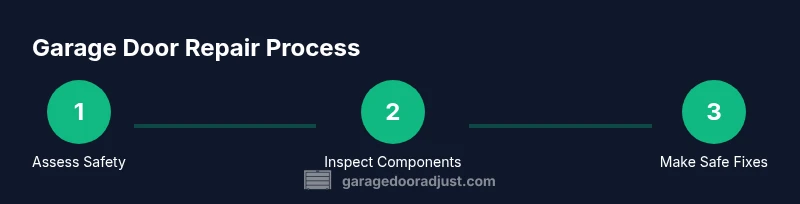
This section outlines a practical approach to diagnosing common issues without locking yourself into a hazardous situation. Start with a visual inspection of tracks for misalignment, loose bolts, or debris. Listen for grinding or squealing that signals worn rollers or dry hinges. Check the door balance by disconnecting the opener and manually lifting the door halfway; it should stay in place. If the door drops or rises, the balance or springs may be misadjusted. Never attempt to adjust torsion springs yourself; they store significant energy and can cause severe injury. After identifying likely causes, perform conservative fixes such as cleaning tracks, lubricating moving parts (not plastic rollers, which can wear), and tightening hardware. If the issue persists, you should call a pro with Spring TX experience. In all steps, verify safety features like auto-reverse operate correctly after any adjustment, and reassemble only when everything is stable and secure.
When to Hire a Pro and How to Vet a Technician
Not all problems are safe or practical to fix on your own. If you notice a frayed cable, cracked torsion spring, or a door that won’t stay balanced, contact a licensed technician immediately. Look for local pros with experience in Spring TX, and ask about their service call fee, parts warranty, and whether they follow industry safety standards. A reputable technician will perform a full diagnostic, check the door balance, test the safety features, and provide a transparent estimate. For complex problems like torsion-spring work, cable replacement, or track repair, professional service is strongly advised. When vetting a technician, verify license requirements in Texas, request references, and confirm that the company carries liability insurance. The goal is a durable, safe repair that minimizes future callouts. If you need guidance, the GarageDoorAdjust team recommends requesting a detailed written plan before any work begins and avoiding rush decisions in a single visit.
Maintenance and Prevention for Spring TX Homes
Prevention is cheaper than repair, especially in a climate with humidity and temperature swings. Schedule a yearly maintenance routine that includes: inspecting and cleaning tracks, checking balance and alignment, lubricating moving parts with a silicone-based lubricant, tightening hardware, testing safety features, and replacing worn weather seals. In Spring TX, you may also want to inspect weather stripping around the door to keep the garage dry and free of drafts. Routine lubrication reduces friction and extends component life, while keeping the door quiet and responsive. A simple maintenance routine can be completed in under an hour if you stay organized, but plan extra time during severe weather seasons when you’re more likely to notice issues.
Common Mistakes to Avoid During DIY Garage Door Repair
Avoid attempting repairs when the door is under tension or when springs show signs of wear. Never bypass safety features to “test” a fix; this can lead to serious injuries. Do not lubricate cables or tension springs with oil-based products; use silicone-based lubricants instead. Don’t rush through alignment tasks—misaligned tracks can cause the door to bind or derail. If you’re unsure about any step, pause and call a professional. Finally, never assume a problem is resolved after a single adjustment; conduct a full cycle test and safety check before relying on the door.
Local Codes and Texas Standards You Should Know
Texas homeowners should be aware of basic electrical safety codes when wiring or modifying garage door openers. Always verify that any electrical work complies with local codes and that a licensed electrician handles major wiring. In addition, check that the opener and safety devices meet current standards for automatic reversal and obstacle detection. While DIY can handle lubrication, alignment, and routine inspection, energy and safety-specific tasks are often best left to licensed professionals.
Quick Troubleshooting Table for Common Spring TX Issues
| Issue | Likely Cause | Quick Fix | | --- | --- | --- | | Door is noisy | Worn rollers or dry hinges | Lubricate moving parts and tighten fasteners | | Door won’t open fully | Track misalignment | Realign tracks and test balance; don’t force | | Opener won’t respond | Electrical fault | Check power, reset, and test safety reverse | | Door slams shut | Spring or balance issue | Do not adjust springs; call a pro |
Tools & Materials
- Safety glasses(Protect eyes from debris and moving parts)
- Work gloves(Protect hands from sharp edges)
- Sturdy ladder(Non-slip feet on a flat surface)
- Flashlight(Inspect tracks and hinges clearly)
- Screwdriver set (flathead & Phillips)(Sizes #2 commonly needed)
- Adjustable wrench(Use for bolts on hardware)
- Pliers(Grip and manipulate small parts)
- Rags or shop towels(Clean dust and grime)
- Silicone-based garage door lubricant(Lubricate moving parts only)
- Penetrating oil (e.g., WD-40)(Use sparingly for stubborn parts)
- Backup hardware (bolts, washers)(Have on hand in case of wear)
- Replacement rollers/tracks (if worn)(Only if you identify wear during inspection)
Steps
Estimated time: 60-90 minutes
- 1
Power down and secure the door
Unplug the garage door opener and engage the manual release rope to disconnect the door from the motor. Place wedges under the door to prevent any accidental movement while you work.
Tip: Always secure the door before touching rollers or tracks. - 2
Test door balance manually
With the door closed and the opener unplugged, lift it halfway and hold. If it drifts up or down, balance or spring tension is the issue and should be handled by a professional.
Tip: Ask for a second person to help if the door is heavy. - 3
Inspect tracks and hinges
Visually inspect for bends, debris, or loose bolts. Clean tracks with a rag and tighten loose screws. Lubricate hinges and rollers with silicone spray after cleaning.
Tip: Never lubricate plastic wheels by over-applying lubricant. - 4
Check springs and cables
Look for visible wear, gaps, or corrosion on springs and cables. Do not touch or adjust torsion springs yourself; this is dangerous and requires a pro.
Tip: If you see any fraying on cables, stop and call a pro immediately. - 5
Test operation and safety features
Reconnect power, run the door through a cycle using the wall switch, and test the auto-reverse safety feature. If the door doesn’t reverse on contact, repair before regular use.
Tip: Test with a small object placed on the floor to ensure reverse safety works properly.
Got Questions?
What are common spring issues that homeowners can safely address?
Visible wear on cables or rust on springs should prompt professional help. Minor lubrication of hardware is safe, but do not adjust or replace torsion springs yourself.
Common issues include worn hardware and misalignment. For springs, contact a pro for safety.
Can I fix a garage door spring myself?
No. Torsion springs store a lot of energy and can cause severe injuries. Only trained technicians should handle spring repair or replacement.
Springs are dangerous; don’t attempt DIY spring repairs.
How long does a typical garage door repair take?
Most residential repairs take between 1-3 hours, depending on the issue and parts availability. Complex spring work will need more time with a pro.
Most repairs take about 1 to 3 hours, depending on the problem.
When should I replace my garage door opener?
If your opener is outdated, has frequent failures, or lacks essential safety features, replacement is more cost-effective than frequent repairs.
Consider replacement if it’s unreliable or lacks safety features.
Are there safety standards I should follow in Texas?
Follow general electrical and product safety guidelines, and ensure any professional work complies with Texas codes and manufacturer instructions.
Follow local codes and manufacturer guidance for safety.
Watch Video
Quick Summary
- Prioritize safety before starting any repair
- Know when to DIY and when to hire a pro
- Regular maintenance prevents costly breakdowns
- Spring and torsion work should be left to professionals
- Test safety features after any adjustment