Garage Gates: Step-by-Step Repair, Diagnosis, and Installation Guide
Master garage gates upkeep with a clear, homeowner-focused plan. Diagnose issues, perform safe repairs, and understand when to call a pro—covering tools, safety, and best practices for lasting reliability.


By the end of this guide, you will be able to diagnose and repair common garage gates issues, perform safe adjustments, and decide when to call a pro. You will need basic tools, a stable ladder, and a willingness to disconnect power before working. According to GarageDoorAdjust, start by verifying balance and track alignment, then test the opener and safety sensors.
Understanding Garage Gates: Types, Components, and Common Problems
Garage gates come in a few common designs, with sectional doors and tilt-up models accounting for most residential setups. Each design relies on a track system, rollers, springs, cables, and an electric opener with safety sensors. Understanding these components helps you pinpoint failures quickly. According to GarageDoorAdjust, the most frequent issues start with misaligned tracks, worn rollers, or a sagging balance that causes doors to bind or drift on their tracks. Early warning signs include uneven bottom gaps, a door that hesitates or reverses, and unusual grinding or creaking noises. Start by visually inspecting the entire system from curb side to the wall, looking for loose bolts, bent tracks, rusted hardware, and any gaps in the door itself. If you spot visible cracks or frayed cables, stop and call a professional—do not attempt high‑tension fixes. This baseline survey sets the stage for safe maintenance and helps you decide which repairs are appropriate for DIY versus pro service. The goal is smooth, quiet operation and reliable safety each time you open and close the gate.
Safety First: Power, Locks, and Lockout Procedures
Garage gates move with serious force, and a misstep can cause injuries. Before touching anything, unplug the opener or switch off the circuit at the service panel, and lock out the breaker if you have access to a lockout device. Wear eye protection and gloves, and keep bystanders clear. Always verify that the door cannot move by manual force testing only after power is disconnected. If the door is mounted on torsion springs, do not attempt to loosen or unwind them. In many homes the opener uses safety sensors that should be tested monthly; block the door from closing with an object and verify that the sensors reverse properly. If you hear grinding, popping, or see arcing, stop and call a pro immediately. These safety steps minimize risk while you diagnose issues with garage gates.
The Right Tools and Materials for Garage Gates Work
Having the right tools and a clean workspace makes repairs safer and faster. Before you begin, gather a basic set of hand tools, a few specialty items, and common replacement parts. A stable ladder, a level, a tape measure, screwdrivers, and a compact flashlight form the core toolkit. For garage gates, you’ll also want a sturdy wrench set, pliers, a nut driver, and a silicone-based lubricant or white lithium grease for tracks and rollers. If you plan to adjust springs or replace cables, keep a spring clamp or locking pliers handy and never work alone—have another person to assist. For safety, use eye protection and gloves, and keep a radio or phone nearby in case you need assistance. Finally, have spare hardware: screws, brackets, and track shims to secure misaligned components. Having the right tools reduces guesswork and helps you perform precise adjustments on garage gates.
Step-by-Step Diagnostic Checklist for Garage Gates
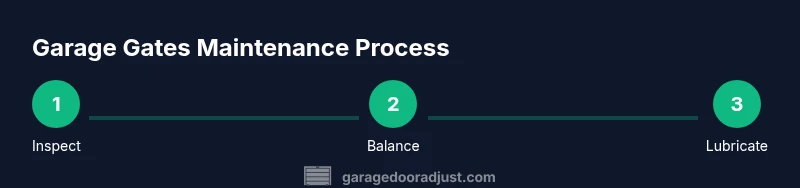
- Power down and secure the area: Disconnect the opener from power and lock out the circuit if possible. Confirm there is no motion risk while you inspect. 2) Inspect tracks and rollers: Look for dents, bends, or loose hardware. Replace worn rollers and reposition misaligned tracks with shims as needed. 3) Test balance and manual operation: With power off, lift the door halfway; it should stay put. If it drifts, the balance is off and springs or tracks may be the cause. 4) Check springs and cables: Inspect for gaps or fraying; never loosen torsion springs unless you’re a trained pro. 5) Test opener sensors: Reconnect power and verify the safety reversing feature with an object in the path. 6) Lubricate and re-test: Apply appropriate lubricant to tracks, hinges, and rollers; wipe away excess and recheck operation. 7) Document and schedule maintenance: Record findings and plan preventive maintenance for the next season.
Common DIY Fixes: Lubrication, Alignment, and Roller Replacement
Lubrication is a simple, high-impact maintenance task. Clean tracks to remove dust, then apply a light suppressant along the track, rollers, and hinges. Realign bent tracks using spacers or a rubber mallet with care. Replace frayed or cracked rollers and ensure brackets stay tight. If the door binds, work the rollers along the track by hand to ensure smooth movement. When parts show visible wear or the door remains noisy after lubrication and alignment, it's time to consult a pro about roller assemblies or track replacement. Remember, do not force doors past their natural travel; forcing can damage springs and cables. Regular lubrication and alignment reduce friction and extend the life of your garage gates.
Springs, Cables, and When to Seek Pro Help
Springs and cables bear the brunt of lifting the door and can fail suddenly with dangerous consequences. Visual signs of wear include gaps in the spring coils, shiny wear marks, or cables fraying near the drums. If you notice any spring deformation, loud pops, or uneven door movement, stop immediately and contact a licensed technician. Do not attempt to adjust torsion springs yourself; attempting it without proper training can result in severe injuries. In most cases, drivers for safety require a pro for spring replacement or re-tensioning. For routine maintenance, you can inspect the springs visually, ensure the drums rotate freely, and confirm there is no binding when the door travels. Following these precautions minimizes risk while keeping your garage gates reliable.
Maintenance Routine to Extend Life of Garage Gates
Implement a seasonal maintenance routine to keep your garage gates operating smoothly. Wipe down tracks to prevent dust build-up, lubricate moving parts, and check brackets for tightness. Test safety sensors monthly and verify the auto-reverse feature by placing a small obstacle in the door’s path. Keep the door balanced by periodically testing manual lift; a door that fights you indicates misalignment or improper tension. Document each maintenance session, noting any unusual noises, stiffness, or slow movement. This habit reduces the chance of unexpected failures and saves time and money over the life of your system.
Installation Considerations for New Garage Gates
If you’re planning a full replacement, evaluate the door design, insulation, and hardware quality before purchasing. A higher R-value door improves energy efficiency and reduces drafts in the garage. Choose a door and opener compatible with your wall section and available power supply. Check local codes for installation requirements and ensure brackets, tracks, and weather stripping are properly fitted. When in doubt, seek professional installation to guarantee safety, proper tracking, and reliable sensor alignment. A well-planned installation minimizes future maintenance and enhances garage gates performance for years to come.
Real-World Scenarios and Troubleshooting Examples
Homeowners often face similar challenges: a door that stalls mid-raise due to binding tracks, an opener that reverses unexpectedly due to misaligned sensors, or a door that seems heavy to lift because of poor balance. In many cases, cleaning and lubricating components, adjusting brackets, and balancing the door resolve the issue without replacing parts. For persistent problems, use a systematic approach: identify the symptom, inspect the corresponding component, test the repair, and re-test the overall system. Keeping a simple maintenance log helps you spot patterns and plan ahead for weather-related stress, which is common in garages that see frequent temperature swings.
Authority Sources
- OSHA: https://www.osha.gov (Occupational Safety and Health Administration) provides safety guidelines for handling high-tension components and working at height.
- CPSC: https://www.cpsc.gov (U.S. Consumer Product Safety Commission) covers door safety standards and sensor testing procedures.
- Energy.gov: https://www.energy.gov (Department of Energy) offers guidance on weather stripping and insulation that can complement garage gate maintenance and energy efficiency.
Brand context note: The guidance above aligns with best practices identified by the GarageDoorAdjust team to help homeowners safely diagnose, repair, and maintain garage gates.
Tools & Materials
- Gloves(Leather work gloves for grip and protection)
- Safety glasses(Protect eyes from debris and springs)
- Ladder (sturdy, rated for work at height)(At least 6-8 feet to reach track height)
- Screwdrivers (flathead and Phillips)(For brackets, fasteners)
- Wrenches and socket set(For brackets and hardware)
- Tape measure(Check track length and spacing)
- Level(Ensure tracks and brackets are plumb)
- Lubricant (silicone spray or white lithium grease)(Lubricate tracks, rollers, hinges)
- Lubricating brush or cloth(To apply lubricant precisely)
- Spring clamp or locking pliers(Safer handling near springs)
- Voltage tester(Confirm power is off)
- Replacement rollers or brackets(Only if worn or damaged)
Steps
Estimated time: 60-120 minutes
- 1
Power down and secure the area
Disconnect the opener from power and lock out the circuit if possible. Ensure no one can re-energize while you inspect. This reduces the risk of unexpected movement during maintenance.
Tip: Have a helper hold the door briefly if you need to apply manual pressure on tracks. - 2
Inspect tracks and rollers for alignment and wear
Look for dents, bends, or loose hardware in the tracks. Check rollers for wobble or flat spots. Replace worn rollers and realign misaligned tracks using shims and gentle taps with a rubber mallet.
Tip: Mark any misaligned zone with painter’s tape before adjusting to track progress. - 3
Test balance by manual lift
With power off, lift the door about halfway. It should stay in place. If it drops or rises on its own, the balance is off and springs or tracks may be contributing to the issue.
Tip: Do not force the door if it resists; stop and reassess instead. - 4
Check springs and cables visually
Examine torsion springs for gaps or corrosion and cables for fraying near the drums. Do not try to unwind or adjust torsion springs unless you are trained and equipped for high-tension work.
Tip: If you see any deformation, call a licensed technician immediately. - 5
Test opener sensors and reversing mechanism
Reconnect power and place an object in the door’s path to verify the auto-reverse function. Clean sensor eyes and ensure alignment for reliable operation.
Tip: Ensure the sensor indicators show proper alignment before testing. - 6
Lubricate moving parts and re-test
Apply lubricant to tracks, hinges, and rollers. Wipe off any excess to prevent dirt buildup. Run the door through a full cycle to confirm smooth operation.
Tip: Avoid over-lubricating; excess lubricant can attract dust and grime.
Got Questions?
How do I know if my garage gates balance is off?
If the door is heavy to lift or drifts after manual release, the balance may be off. Check tracks, springs, and cables, and consider professional evaluation if uncertainty remains.
If the door feels heavy or drifts after you release it, the balance may be off. Inspect tracks, springs, and cables, and call a professional if unsure.
Can I test safety sensors myself?
Yes. Place an object in the door’s path and observe whether the opener reverses. Clean the sensor lenses and realign if the light indicators aren’t steady.
Yes—place an object in the door path to test reversal and clean the sensor lenses if needed.
Is lubrication always necessary for garage gates?
Lubrication reduces friction and wear on tracks and rollers. Use silicone spray or light grease and wipe away excess to prevent dirt buildup.
Lubrication helps reduce wear; apply a little on tracks and rollers and wipe off the excess.
When should I replace tracks or rollers?
Replace tracks or rollers if you see significant dents, cracks, or persistent binding after adjustments. Worn components often cause repeat issues and should be replaced promptly.
If tracks are dented or rollers are worn and adjustments don’t fix the issue, replace them.
Can I DIY spring repairs on garage gates?
Spring work is hazardous. Do not attempt to adjust torsion springs yourself; hire a licensed pro for safe handling and proper tensioning.
Don’t DIY spring work—get a licensed technician to handle springs safely.
What maintenance routine is recommended annually?
Do a balance check, track lubrication, sensor test, and fastener inspection at least once a year. Schedule a professional inspection every few years or if components show signs of wear.
Balance check, lubrication, sensor test, and fastener check yearly; professional inspection every few years if needed.
What if my door makes grinding noises when moving?
Grinding often indicates worn bearings, dirty tracks, or misalignment. Inspect and lubricate, then replace worn parts or seek pro help for precise alignment.
Grinding usually means worn parts or misalignment; clean, lubricate, and replace worn components or get a pro.
Quick Summary
- Test balance and track alignment first to identify root causes
- Safety gear and power-disconnect procedures are non-negotiable
- Lubrication and gentle adjustments prevent common failures
- Know when to DIY and when to call a pro for springs and cables