All Garage Doors and Gates: A Complete How-To Guide
A comprehensive, step-by-step guide to diagnosing, repairing, and installing all garage doors and gates for homeowners, with safety tips, maintenance routines, and practical troubleshooting.


You’ll learn to diagnose, repair, and install all garage doors and gates with a safe, step-by-step approach. This guide covers common issues, essential tools, safety precautions, lubrication, alignment, and maintenance routines. According to GarageDoorAdjust, starting with a thorough safety check and verifying the opener’s wiring reduces risk and saves time.
Comprehensive Overview of all garage doors and gates
All garage doors and gates share core components and safety considerations, yet the exact setup varies by motor type, spring mechanism, track design, and weight. This guide covers swinging, sectional, roll-up, and gate systems common to residential properties. You’ll learn how doors balance weight, how torsion or extension springs store energy, and how rollers and hinges influence smooth operation. Understanding these elements helps you diagnose misalignment, sluggish opening, and noisy operation without guessing. Per GarageDoorAdjust analysis, a clear mental map of the system reduces repair time and improves safety as you work through tasks around the opener, springs, tracks, and sensors. The goal is durable, safe operation that protects people and property while extending the life of the door and opener.
Safety Foundations before You Start
Before touching any door, ensure power is disconnected, the door is fully supported, and you have a clear workspace. Use non-conductive gloves, safety glasses, and a sturdy ladder. Keep children and pets away from the door path. If you encounter high-tall doors, never stand under weight-supporting components and avoid improvising with makeshift supports. Safety first prevents injuries and costly mistakes. Create a quick plan that lists the sections you’ll inspect first (opener, sensors, springs, tracks) and check the door’s behavior at every stage. A well-planned approach keeps you in control and minimizes the chance of sudden door movement.
Key Components and How They Interact
- Opener: powers the door and has a manual release for safe operation during maintenance.
- Springs: torsion or extension springs balance the door’s weight and store energy; misadjusted or worn springs pose serious hazards and are usually a job for a pro.
- Tracks and rollers: keep the door aligned and reduce friction; damaged tracks can cause binding or derailment.
- Hinges and hardware: loose screws or worn hinges can create wobble and noise.
- Safety sensors: ensure the door reverses on contact; misalignment can cause failure to reverse, creating a risk to people or pets.
A solid grasp of these parts helps you pinpoint where issues originate and decide when to DIY versus call a professional.
Diagnostic Flow: Initial Checks You Can Do Safely
Start with a simple, repeatable diagnostic flow:
- Disconnect the opener and manually operate the door to assess balance and ease of movement.
- Inspect for obvious damage on tracks, rollers, and springs; look for gaps, bends, or lubricant buildup.
- Reconnect power and test the auto-reverse safety feature at a short distance (no more than 6 inches).
- Check the sensors pointing at each other; clean lenses and adjust alignment as needed.
- Listen for unusual noises during operation and note when they occur (opening, closing, or at a stop).
This structured approach helps you isolate the most likely causes without risking hazardous tasks. GarageDoorAdjust analysis shows that routine maintenance and systematic checks correlate with fewer emergency repairs.
Common Problems and Practical Fixes (Non-Invasive)
- Uneven or difficult opening: often caused by misaligned tracks or worn rollers. Realign tracks gently and lubricate moving parts; replace worn rollers if they visibly wobble.
- Door closes but stops short: check the travel limits in the opener’s settings and inspect for obstructions on the floor or in the track.
- Squeaking or grinding: lubricate hinges, rollers, and track joints with a silicone-based lubricant; avoid over-lubricating as excess can attract debris.
- Sensor misalignment: clean lens surfaces and adjust the mounting brackets so the beams align directly across the door opening.
- No response from the wall switch or remote: verify power, reset the opener, and re-pair remotes if necessary.
Many issues improve with these targeted steps, but not all problems are safe to DIY—if springs or cables show signs of damage, stop and call a pro.
Opener-Specific Checks and Sensor Alignment
The opener is the “brains” of the system. Confirm the unit is receiving power and that the wall switch and remote are functioning. If you hear the motor but the door doesn’t move, inspect the belt or chain drive for slack or wear. Check the safety sensors: they must be aligned and unobstructed. A misaligned sensor won’t allow the door to close fully, and debris or spider webbing can cause false readings.
When adjusting sensors, move the brackets only slightly and test after each adjustment. Keep the lens clean with a soft cloth; avoid chemical cleaners that can damage the plastic lens. If the door still won’t operate correctly after sensor realignment, a more thorough inspection of the opener’s limit switches and gear assembly may be required.
Lubrication and Maintenance Best Practices
Lubricate moving parts at regular intervals to reduce friction, wear, and noise. Use a silicone-based lubricant on the tracks, rollers (non-metal), hinges, and spring guides as recommended by the manufacturer. Wipe away excess lubricant to prevent dust accumulation. Inspect weather stripping and seals for gaps that could allow drafts or moisture in; replace worn seals to improve energy efficiency and reduce noise caused by air leaks.
Establish a maintenance cadence: perform a quick inspection monthly and a deeper check every six months. A simple calendar reminder can help you stay consistent. Keeping a written record of maintenance tasks and any replacements will help you plan future projects and budget for parts.
When to Repair vs When to Replace: A Practical Guide
Some issues are clearly repairable, while others signal the need for replacement. If a single component is worn or damaged and replacement parts are readily available (rollers, weather stripping, sensors), a repair can restore function at a lower cost. If multiple components show wear—springs, cables, tracks—consider a full assessment by a professional, as the cumulative risk increases and the project scope expands.
Also consider age and usage patterns. A door or opener approaching its end of life may justify replacement to improve reliability and safety. When in doubt, get a professional evaluation. This decision can prevent expensive, repeated repairs and downtime.
Step-By-Step DIY Maintenance Checklist (for quick reference)
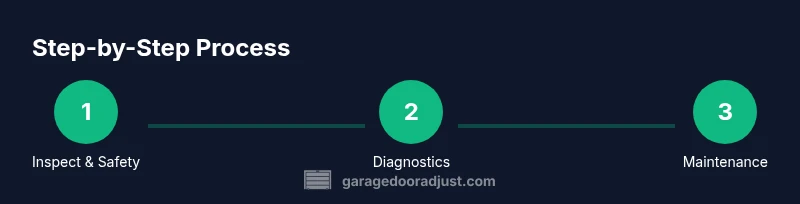
This quick checklist targets the most common DIY maintenance tasks and is designed to be a single-page reference. It helps homeowners stay on top of routine care without overstepping safety boundaries. Start with a safety check, then move through the components in order, documenting what you observed and what you did. If anything in the list raises concern, pause and seek professional assistance.
Authority Sources and Further Reading
For safety standards, maintenance guidelines, and technical details, consult peer-reviewed sources and official publications. Useful references include:
- https://www.cpsc.gov/Safety-Education/Safety-Guides/Garage-Door-Safety
- https://www.osha.gov
- https://www.nist.gov
These sources provide foundational information on safe operation, standards, and best practices that support the guidance in this article. Always cross-check with your door’s manufacturer manual for model-specific instructions.
Conclusion Preview: Keeping All Garage Doors and Gates Safe and Reliable
With a clear diagnostic approach, proper tool use, and a conservative mindset about springs and high-tension components, most homeowners can extend the life of their doors and right-size repairs. Plan for maintenance, track wear, and sensor alignment to minimize downtime. The GarageDoorAdjust team recommends treating safety as non-negotiable and consulting professionals for high-risk tasks to ensure long-term reliability and safety for all garage doors and gates.
Tools & Materials
- Safety gear (gloves, goggles)(Keep hands and eyes protected from pinch points and debris)
- Voltage tester(Ensure power is off to avoid shocks when testing electronics)
- Screwdrivers (Phillips and flathead)(Have both sizes on hand for various fasteners)
- Socket/wrench set(Used for bolts on tracks, hinges, and brackets)
- Stepladder(Stable ladder tall enough to reach the track area safely)
- Silicone-based lubricant(Apply to tracks, rollers, and hinges; avoid WD-40 for long-term lubrication)
- Rags and cleaning solution(Clean tracks and sensors before tweaks; avoid abrasive cleaners)
- Adjustable pliers(Fine-tune bracket alignment without over-tightening)
- Replacement parts (as needed)(Keep spare rollers, weatherstripping, or sensors on hand)
Steps
Estimated time: 45-75 minutes
- 1
Power down and secure
Turn off the door’s power at the breaker or unplug the opener. Confirm that the door cannot move by hand before proceeding. This prevents accidental movement during inspection.
Tip: Double-check the manual release to prevent unexpected door shifts. - 2
Manual operation and balance check
Disconnect the opener and operate the door manually to assess balance and ease of movement. If it sticks or binds, note the location and investigate tracks, rollers, and springs.
Tip: A balanced door should stay in place when opened a few inches. - 3
Inspect tracks, rollers, and hardware
Visually inspect for dents, bends, or loose screws. Tighten loose hardware and realign tracks if the door drifts or rubs at the ends of travel.
Tip: Use a level to ensure tracks are straight; small misalignments add up over time. - 4
Test the opener and safety reversal
Reconnect power and test the automatic reverse feature by placing a test object under the door. The door should reverse on contact.
Tip: If reversal fails, do not continue; seek professional service. - 5
Sensor alignment and cleaning
Clean the sensor lenses and ensure both beams face each other directly. Adjust mounting brackets in small increments and re-test.
Tip: Be gentle with brackets; overtightening can misalign the sensors. - 6
Lubricate moving parts
Apply silicone-based lubricant to hinge points, rollers, and track joints. Wipe away excess to prevent debris buildup.
Tip: Only a light film is needed; excessive lubrication attracts dust. - 7
Check hardware and fasteners
Inspect bolts and screws for tightness. Replace any worn or corroded fasteners to maintain safe operation.
Tip: Carry a small set of spare fasteners in case replacements are needed. - 8
Function test and reset if necessary
Perform a full cycle test, including open, close, and stop in between. If issues persist, reset the opener to factory settings and reprogram remotes.
Tip: Document the new settings for future reference. - 9
Plan ongoing maintenance
Create a schedule for monthly quick checks and biannual deep maintenance. Record any parts replaced and note performance changes over time.
Tip: Set calendar reminders to maintain consistency.
Got Questions?
Can I fix a bent track myself?
A bent track can sometimes be straightened if it's minor and the track remains aligned. Severe bends or damage to the door wall should be handled by a professional to avoid derailment or further damage.
Bent tracks can sometimes be fixed if minor, but major damage should be left to a professional.
Is it safe to adjust torsion springs on my own?
Torsion springs store a lot of energy and can cause serious injury if mishandled. Do not attempt spring adjustments yourself unless you have proper training and equipment. Call a licensed technician for spring work.
Spring adjustment is dangerous; call a professional for torsion springs.
How often should I lubricate door hardware?
Lubricate moving parts every 6 months or after heavy use seasons. Use a silicone-based lubricant and wipe away excess to prevent debris buildup.
Lubricate every six months and wipe off excess.
What maintenance can I do without professional help?
Most routine maintenance like cleaning sensors, tightening hardware, and applying lubricant can be done safely with basic tools. Always ensure the door is secured and power is off before starting.
You can do basic cleaning, tightening, and lubrication safely if you follow safety steps.
How do I reset the opener after a power outage?
Refer to your model’s manual for specific steps. In general, unplug, wait a minute, plug back in, and re-pair remotes and keypads.
Reset by re-powering and re-pairing remotes after a power outage.
What should I do if the safety sensor isn’t working?
Clean the sensor lenses, straighten alignment, and test the auto-reverse function. If issues persist, service may be required to avoid door closure hazards.
Clean sensors, re-align, test reversing function; seek service if needed.
Quick Summary
- Safety first: power down before any work.
- Balance, tracks, and sensors are common failure points.
- Use a structured diagnostic flow to isolate issues.
- Know when to DIY and when to hire a pro for high-risk tasks.