Garage Door Yorkton: A DIY Guide to Diagnosis and Maintenance
A comprehensive DIY guide for diagnosing, repairing, and maintaining your garage door in Yorkton. Learn safe methods, common issues, tools, seasonal care, and when to call a pro.


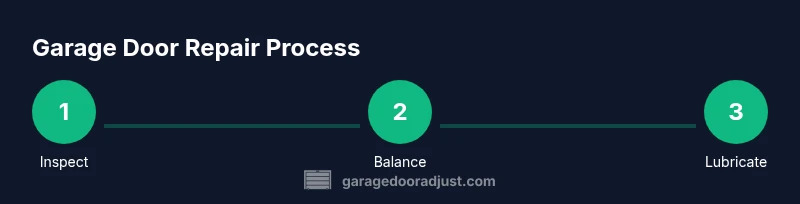
By following these step-by-step instructions, you’ll diagnose and fix common garage door yorkton issues, perform safe maintenance, and extend your door’s life. The guide covers testing balance, inspecting springs and cables, checking tracks and sensors, and selecting the right tools for Yorkton’s climate. It emphasizes safety, practicality, and homeowner-friendly steps you can complete this weekend.
Overview of garage door yorkton
In Yorkton, a reliable garage door system is essential for comfort, security, and energy efficiency. The term garage door yorkton encompasses the local ecosystem of doors, openers, tracks, and weather seals, as well as the unique maintenance challenges homeowners face in this region. According to GarageDoorAdjust, local climate patterns—especially cold winters and heavy snowfall—shape how components wear and how soon seals degrade. A well-maintained door reduces drafts, minimizes noise, and protects vehicles from weather. This section lays the groundwork for a practical, safety-first approach that helps homeowners identify symptoms early, plan repairs, and budget for parts without surprises. You’ll learn to separate simple maintenance tasks from high-risk repairs, so you can decide when to DIY versus call a professional.
Local climate and its impact on garage doors in Yorkton
Yorkton’s winter conditions drive several wear patterns: frozen tracks, stiff rollers, and seals that crack after repeated freeze-thaw cycles. Doors facing the prevailing wind direction can experience uneven wear, making alignment more critical. This means you should check weatherstripping annually and inspect the bottom seal for gaps. The practical upshot is a small maintenance cadence—cleaning tracks, lubricating moving parts, and testing the safety features—that pays off in smoother operation and fewer downtime events during peak seasons. Be mindful of snow buildup on the door surface and in the spring track area, as it can affect balance and opener load. A proactive approach minimizes emergency repairs and extends door life over years.
Safety-first: essential cautions for DIY garage door yorkton projects
Garage doors store significant kinetic energy, particularly in torsion spring systems. Even a seemingly benign repair can become dangerous if you bypass safety protocols. Never attempt to adjust or replace springs, cables, or drums unless you are trained and equipped to do so. Always unplug the opener before inspecting components, wear protective gloves and eye protection, and keep bystanders clear of the door path. Use a sturdy ladder and never stand directly beneath a raised door while working. If any step feels uncertain, pause and consult a professional. The safety mindset protects your family and your home while you learn.
Diagnosing common issues: what to look for in a Yorkton home
A well-rounded diagnostic approach starts with symptoms: slow operation, unusual noises, door not closing fully, or sensors behaving oddly. Each symptom maps to common culprits: misaligned tracks, worn rollers, degraded weather seals, or a misbalanced door. In Yorkton winters, ice buildup on tracks and winterized lubricant can slow movement, while harsh seasonal shifts can stress springs and cables. A practical diagnostic flow is to visually inspect tracks and rollers for debris, test for balance by opening the door halfway and observing resistance, and test the safety sensors with a blocker at the floor to ensure the beam is uninterrupted. Document findings to guide repairs or professional visits.
Maintenance routines that save money in Yorkton climate
Routine maintenance is your best cost saver. Schedule semi-annual checks to lubricate rollers, hinges, and track joints with a silicone-based spray, and replace weatherstripping when it shows cracks or compression. Keep fasteners tight and clean, remove buildup from tracks, and ensure the door remains balanced. A simple annual cycle of inspection and lubrication reduces friction, extends seal life, and minimizes energy loss in cold months. Use weather-stripping and insulation upgrades as needed to improve efficiency and comfort in the garage space, especially when the garage serves as a workshop or extra living area. Emphasize gradual, repeatable steps you can repeat every season to maintain performance and protect your investment.
When to call a pro and what to expect during a professional service
Certain tasks—especially torsion-spring work, cable rewinds, and opener motor diagnostics—require professional expertise. If you notice persistent binding, uneven door movement, loud grinding, or the door feels heavier than usual, it’s time to call a technician. A Yorkton pro will perform a complete safety check, test the balance using standard procedures, inspect springs and cables, recalibrate the opener limit switches, and replace worn components with manufacturer-approved parts. You’ll typically receive a written estimate detailing parts and labor, plus a time frame for completion. The goal is to restore balance, safety, and reliability with minimal downtime, while ensuring warranty coverage remains intact. The GarageDoorAdjust team recommends prioritizing safety over convenience when high-risk components are involved, and consulting a pro as soon as you detect signs of failure.
Tools & Materials
- Safety gloves(Grip protection and hand safety)
- Safety glasses(Eye protection during inspection)
- Adjustable wrench(For adjusting hardware and brackets)
- Screwdrivers (Phillips and flat-head)(General fastener access)
- Cordless drill (optional)(Helpful for removing screws quickly)
- Silicone-based lubricant(Lubricate rollers, hinges, and tracks)
- Rags or shop towels(Clean debris and wipe surfaces)
- Ladder (sturdy)(Access high components safely)
- New weatherstripping (if needed)(Seal gaps at the bottom/door edges)
- Measuring tape(Verify track alignment and door height)
Steps
Estimated time: 45-60 minutes
- 1
Prepare and protect
Power down the opener and clear the area beneath the door. Put on safety gloves and glasses, set the ladder securely, and unplug the garage door opener to prevent accidental movement during inspection. This step reduces risk and ensures you can observe components safely.
Tip: Lock the door in the open position with a temporary bar or helper to keep it stable while you work. - 2
Inspect tracks and rollers
Check tracks for debris, bends, or gaps. Clean with a dry cloth, then inspect rollers for wear. If you notice cracked wheels or missing bearings, plan a replacement or call a pro. Misaligned tracks can cause binding and noise.
Tip: Use a level to confirm tracks run straight and parallel; misalignment is a common cause of binding. - 3
Test door balance
With the door closed, disconnect the opener (if needed) and raise the door halfway by hand. It should stay in place without spring assist or resistance. If it drops or rises, the balance is off and springs or cables may be responsible.
Tip: If the door is heavy, do not attempt to adjust springs yourself—this is a high-risk step best left to a pro. - 4
Inspect springs and cables
Visually inspect springs for gaps, gaps in winding, or signs of wear. Do not touch or attempt to loosen springs. Cables should be intact and not frayed. Any visible damage requires professional repair or replacement.
Tip: Never place any part of your body under a door supported only by springs. - 5
Test opener and sensors
Reconnect power and test the opener’s travel limits. Check safety sensors by blocking the beam at the floor; the door should reverse if an obstruction is detected. Poor sensor alignment is a frequent nuisance in family garages.
Tip: Keep sensors clean and free of cobwebs to prevent false readings. - 6
Lubricate and seal
Apply silicone-based lubricant to hinges, rollers, and tracks. Wipe away excess to avoid attracting dust. Inspect weatherstripping and replace if cracked or flattened. Finish with a quick overall visual check for loose screws or alignment drift.
Tip: Do not oil garage door springs; use lubricant only on moving metal parts away from springs.
Got Questions?
Is it safe to repair garage door springs myself?
No. Torsion springs store a lot of energy and can cause severe injury. Only trained professionals should replace springs. You can inspect for obvious wear and maintain other parts safely.
Springs are dangerous to handle yourself; consult a professional for spring work, but you can do safe routine maintenance on other parts.
What basic maintenance can I do to prevent problems?
Lubricate moving parts, clean tracks, test safety sensors, and replace weatherstripping when needed. Regular checks save money by preventing big failures.
Regular lubrication, sensor checks, and weatherstripping replacement help prevent major failures.
How do I identify issues specific to Yorkton winters?
Ice on tracks, stiff rollers, and compressed weather seals are common in cold months. Check tracks after snowfalls and ensure the door opens and closes smoothly with the opener.
Cold winters can freeze tracks and wear seals; keep an eye on these areas for smooth operation.
Do I need a permit to install a new garage door opener in Yorkton?
Permit needs vary by locality and scope. Check your municipal guidelines and home insurance requirements before installation to ensure compliance.
Check local rules in Yorkton before installing or replacing a garage door opener.
When should I replace a garage door opener?
If the opener is loud, inconsistent, lacks safety features, or shows signs of aging, replacement is often more cost-effective than frequent repairs. Compare new models with a professional.
Consider replacement if performance is unreliable or safety features are outdated.
Watch Video
Quick Summary
- Inspect tracks, rollers, and seals regularly
- Do not attempt spring repairs yourself
- Balance the door and test safety sensors
- Schedule seasonal maintenance to prevent wear
- Know when to call a pro for high-risk tasks