Garage Door Track Brackets: Diagnosis, Replacement & Maintenance
Learn to diagnose, replace, and maintain garage door track brackets with a safety-first, step-by-step guide from GarageDoorAdjust. Tools, tips, and maintenance to prevent future problems.


Learn how to diagnose, replace, and maintain garage door track brackets to restore safe, smooth operation. This quick guide covers safety precautions, required tools, common bracket types, and a practical, step-by-step approach so homeowners can perform a repair with confidence and reduce future misalignment today with clear actions and safety reminders.
What are garage door track brackets and why they matter
Garage door track brackets are the metal anchors that connect the vertical tracks to the wall or door header. They keep the tracks plumb so the door moves smoothly along a guided path. When brackets loosen, the tracks can shift, causing misalignment, jerky movement, or even deraillation in extreme cases. According to GarageDoorAdjust, bracket wear and loose fasteners are a frequent source of track problems in residential garages. The GarageDoorAdjust team found that correct bracket size, solid mounting wood, and proper screw torque are essential for long-term reliability. In practice, a well-installed bracket distributes the door's weight evenly and reduces stress on the rollers, springs, and track joints. If you notice unusual sounds, slow movement, or the door lifting off-balance, inspect the brackets first. This section helps you identify what type of brackets you have and how their position affects door balance and safety.
Common bracket types and mounting patterns
There are several bracket styles used in residential garage doors, each designed to fit a specific track system and mounting surface. Most doors rely on top-mill or side-mount track brackets made from stamped steel or reinforced aluminum. Some brackets mount to a wooden header, others to a concrete wall using masonry anchors. The choice depends on your door’s weight, spring system, and track height. When evaluating brackets, check for visible cracks, bent ears, elongated screw holes, and corroded fasteners. Always replace like-for-like so the screw pattern lines up with existing holes, and ensure the bracket sits flush against the mounting surface. A correctly chosen bracket should hold the track plumb within a tolerance of a few millimeters, keeping the door aligned during every cycle. If you’re unsure, consult your door’s manufacturer documentation or a local garage door professional.
Diagnosing bracket issues: signs your brackets are failing
Brackets fail for a variety of reasons, from loose screws to rust and impact damage. Common warning signs include the track looking visibly offset at the top corner, unusual creaks near the header, or the door binding or stuttering as it travels. If one bracket is noticeably looser than others, it may be a sign that the wood behind it has deteriorated or the screw holes have stripped. Misalignment can cause the door to rub on the rollers or bounce in transit, increasing wear on cables and springs. For safety, never assume a minor squeak is harmless; track brackets play a central role in door balance and safe operation. Document any visible gaps with a quick photo and compare against the opposite side to determine whether a replacement is needed.
High-level safety setup before you begin
Before touching any garage door hardware, unplug the opener and lock the door in the closed position with a vise grip or clamp. Work with a partner to hold the door steady while you remove or install brackets, as a partial drop can cause injury. Wear eye protection and gloves to guard against sharp edges and metal splinters. Clear the area of vehicles or pets to prevent accidental movement. Have a plan for where to place removed screws and brackets so you don’t lose them. Finally, double-check that the door is fully supported and cannot move during the work.
How to safely replace damaged brackets: overview
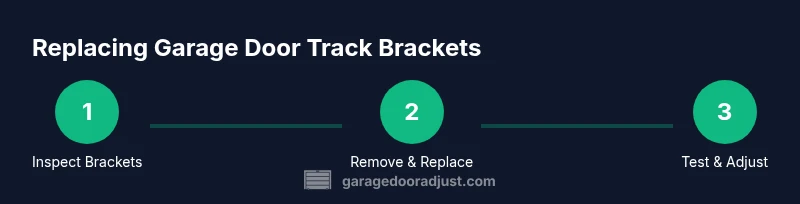
Replacing damaged brackets involves removing the old fasteners, attaching the new bracket to a solid surface, and re-securing the track so it remains perfectly vertical. Start by aligning the new bracket with the track and the mounting surface, using a level to confirm plumb. Drill pilot holes if necessary and drive in the new screws or anchors. Reinstall the track to the bracket with even pressure, then gently test for vertical alignment by measuring from the track to a fixed wall reference on both sides. This overview sets up the detailed, step-by-step instructions that follow.
Aligning tracks and testing after replacement
Proper track alignment is critical for smooth operation. After bracket replacement, check that the upper sections of the tracks are parallel and that gaps between the door and frame remain consistent. Use a level or laser tool to confirm the tracks run plumb from top to bottom. Tighten screws gradually, rechecking alignment after each turn. With the door closed, run a few test cycles and listen for rubbing or binding. If there’s any misalignment, stop, re-check bracket positions, and adjust as needed.
Maintenance tips to prevent bracket problems
Regular maintenance can extend bracket life and prevent surprises. Schedule seasonal checks, especially after harsh weather or a minor collision. Lubricate the moving parts per manufacturer guidance, focusing on hinges and rollers rather than the bracket holes. Replace corroded screws or brackets immediately rather than letting rust spread. Keep an eye on the mounting surface behind the bracket; if you see rot in wooden headers or cracks in masonry, address it before continuing. Finally, maintain balanced springs and avoid forcing the door when it’s off balance.
Safety reminders and long-term considerations
Long-term bracket health depends on proper installation, door balance, and periodic inspection. If brackets show signs of fatigue, replace in pairs to maintain symmetrical load distribution. Consider upgrading to thicker brackets or corrosion-resistant hardware if you live in humid or salty environments. Always consult a pro if you see sagging tracks, large gaps, or consistent rubbing; misalignment can lead to derailment. By following these steps, you reduce the risk of injury and keep your garage door operating reliably.
Tools & Materials
- 22-24 inch ladder(Stable, allows comfortable reach to tracks)
- Safety glasses(Eye protection)
- Work gloves(Protect hands)
- Socket wrench set (1/4" and 3/8" bits)(For bracket screws)
- Phillips screwdriver (#2)(Screws and brackets)
- Flathead screwdriver(Prying if needed)
- Power drill with bits(If pilot holes or screw length require)
- New track brackets(Compatible with your door and track)
- wood screws + washers(2-3 inch length for solid mounting)
- Level and tape measure(Verify plumb and spacing)
- Carpenter’s square or straightedge(Helpful for alignment checks)
- Lubricant spray for metal (optional)(After reassembly)
Steps
Estimated time: 60-90 minutes
- 1
Power down and secure the door
Unplug the garage door opener from power and secure the door in the closed position using a vise grip or clamp. This prevents the door from moving while you work, which reduces the risk of injury. Have a helper ready to assist if needed.
Tip: Always verify you can manually move the door a few inches before starting to ensure it’s fully supported. - 2
Block the door for stability
Place a locking bar or C-clamp on the track nearest the bracket you’ll work on. This keeps the door from shifting and provides a fixed reference point for alignment during the replacement.
Tip: Two people make this step safer and easier, especially with heavy doors. - 3
Inspect bracket mounting and mark holes
Take a close look at the bracket’s mounting surface and existing screw holes. Use a pencil to mark any new holes if you’re switching screw patterns or if the old holes are stripped.
Tip: Document orientation by taking a photo before removal to aid reinstallation. - 4
Remove old bracket screws
Using the Phillips screwdriver or socket wrench, remove the screws holding the bracket. If a screw spins freely, you may need a washered fixer or a slightly larger screw to anchor into solid wood.
Tip: Support the track with one hand while loosening screws to prevent the track from tilting. - 5
Position new bracket and pre-drill holes
Place the new bracket in the same vertical alignment as the old one, or adjust as needed to maintain a plumb track. Mark and drill pilot holes in the mounting surface if required.
Tip: Use a level to ensure the bracket sits square to the wall; small tilts compound across the length of the track. - 6
Secure bracket and reattach track
Drive screws into the pre-drilled holes, ensuring the bracket sits flush. Reattach the track to the bracket with even pressure and verify it remains plumb as you tighten.
Tip: Avoid overtightening, which can strip holes or crack mounting material. - 7
Test operation and adjust as needed
With the door still secured, reconnect power and run a few slow test cycles. Check for binding, rubbing, or misalignment. If issues persist, re-check bracket positions and track plumb.
Tip: If wobble persists, inspect the mounting surface for rot or masonry cracks and address those before continuing.
Got Questions?
Do I need to replace all track brackets at once?
Not necessarily. Replace only damaged or loose brackets, but inspect all brackets for uniform wear and alignment. If several are affected, replacing them together helps maintain balanced load and consistent movement.
You don’t have to replace every bracket at once, just the ones that show wear or looseness, but check the others for shared issues.
Can I repair brackets without removing the track?
Some minor fixes are possible, but most bracket work requires removing the track to access the mounting surface and ensure a solid, square mounting.
Usually you need to remove the track to properly access and secure a bracket.
What type of screws should I use with wood studs?
Use corrosion-resistant wood screws sized to anchor into solid framing. Typical sizes range based on bracket design and wood thickness. Always use washers if you’re securing into soft or cracked wood.
Choose corrosion-resistant wood screws appropriate for your bracket and wall material.
My door derailed after replacement; what now?
Power off the opener, re-check bracket positions and track plumb. If misalignment persists, consult a pro. Do not force the door back onto the track.
If it derails, stop and re-check all brackets and tracks; if in doubt, seek professional help.
Is this a DIY-friendly task for homeowners?
Yes for many homeowners with basic mechanical skills and proper safety precautions. If your door is heavy, spring system, or the tracks are severely damaged, hire a pro.
It can be a DIY task if you’re comfortable with tools and safety, otherwise hire a pro.
Watch Video
Quick Summary
- Inspect brackets and hardware for wear before starting.
- Follow safe shut-off and support procedures.
- Re-check track plumb after replacement.
- Use regular maintenance to prevent future bracket issues.