Garage Door Things: A Practical Homeowner Guide to Diagnosis, Maintenance, and Repairs
Learn what 'garage door things' include, how they work, and how to diagnose, maintain, and repair common issues. A practical how-to for homeowners by GarageDoorAdjust.


This guide helps homeowners diagnose, repair, and maintain common garage door things, covering safety checks, tool lists, and step-by-step instructions. You'll learn how to inspect tracks, cables, torsion springs, and openers, identify signs of wear, and perform practical fixes you can complete with basic tools. By following these steps, you’ll restore reliability and prolong door life.
What garage door things cover
When homeowners refer to the phrase garage door things, they’re talking about every component, accessory, and routine that keeps a garage door functioning safely and reliably. This includes structural parts such as tracks, rollers, hinges, cables, and springs; the automatic opener and safety sensors; weather seals and insulation; and the small hardware that holds everything together. Understanding how these pieces fit together helps you diagnose issues quickly and plan maintenance without getting overwhelmed. According to GarageDoorAdjust, a proactive approach to inspecting these parts prevents minor wear from becoming major failures. The term also encompasses the routine maintenance tasks you perform, like lubrication, weatherstripping checks, and occasional part replacement. By framing maintenance around the category garage door things, you’ll create a clear, repeatable workflow that reduces guesswork and extends the life of your system.
Key components and what they do
Garage door things are made up of several key categories, each with a specific role. Tracks guide the movement of the door along a fixed path, while rollers and hinges allow smooth, controlled motion. Cables and torsion springs store the energy needed to lift the door, with safety mechanisms to prevent sudden drops. The opener provides motorized operation and a push-button or remote control interface, and safety sensors detect obstructions to stop the door. Additional fittings include weatherstripping to seal the gap at the bottom, insulation to improve energy efficiency, and balance components that keep the door stable when open or closed. Understanding each part helps you identify which area is affected when you hear noise, notice misalignment, or feel sluggish operation.
Common symptoms and quick checks
Common garage door symptoms often point to a subset of garage door things failing. Noisy operation can indicate worn rollers, misaligned tracks, or dry hinges. A door that opens slowly or stops halfway may imply tension issues in the springs or a weak opener motor. A door that feels heavy to lift manually signals possible balance problems or worn weatherstripping. If the door doesn’t reverse when meeting an obstacle, the safety sensors or wiring may be at fault. Quick checks include inspecting the tracks for dents, ensuring rollers rotate freely, verifying fasteners are tight, and listening for grinding or squeaking along the hinge line. Regular visual checks catch problems before they escalate.
Safety first: inspect and prepare
Before you touch any moving parts, prioritize safety. Turn off power to the opener at the outlet or circuit breaker to prevent accidental operation. Use clamps or locking pliers on the tracks to prevent the door from moving while you inspect. Wear protective eyewear and gloves, and keep children and pets away from the work area. If you identify a serious issue, such as frayed cables or a suspected spring problem, stop and seek a professional immediately. Always use proper lighting to inspect hard-to-see areas and never attempt to adjust torsion springs without professional training.
Maintenance routine you can perform this weekend
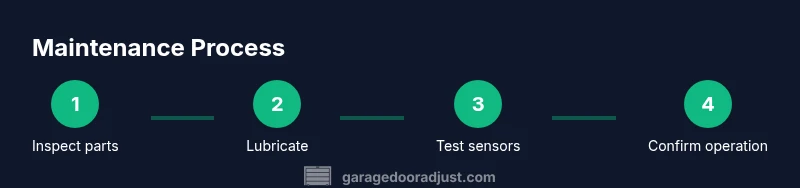
A simple maintenance routine covers lubrication, weatherstripping, and track cleanliness. Start by cleaning the tracks with a dry cloth to remove dust and debris. Lubricate moving parts with a white lithium grease or silicone spray on hinges, rollers (not the bearings directly), and the chain or screw drive as applicable to your model. Check weatherstripping at the bottom and along the sides; replace any cracked or torn sections to improve energy efficiency and keep pests out. Wipe down the door surface to remove residue that could clog weather seals. By establishing a regular cadence, you’ll minimize resistance and extend the life of your garage door things.
Troubleshooting common issues: jams, noises, opener failures
If the door jams or sticks, inspect tracks for obstructions and ensure rollers move freely. Squealing or grinding often indicates dry pivots or worn hinges—apply lubrication to the hinge pins and rollers. For opener failures, listen for a click at every button press and test the wall switch and remote. If the door moves partially, check balance components and the track alignment. If you notice erratic behavior after a storm or power outage, check the sensor alignment and reset the opener if necessary. Remember, many problems relate to a small set of parts, so a methodical check of tracks, rollers, springs, and sensors usually resolves most issues.
Upgrades and enhancements you might consider
Upgrades can improve reliability, safety, and energy efficiency. Replacing worn rollers with nylon or steel options can reduce noise and wear on tracks. Upgrading weatherstripping and insulation can reduce drafts and heat loss in attached garages. If your opener is older, you might gain convenience with a newer, quieter belt-drive model or a smart opener with battery backup and remote monitoring. For those who want to maximize safety, consider reinforcing safety sensors and adding a secondary alarm or notification when the door operates. When choosing upgrades, focus on compatibility with your existing tracks and door size to ensure a smooth, safe upgrade.
When to call a pro and what to expect
Not every garage door issue is a DIY fix. If you encounter structural damage, a suspected spring problem, frayed cables, or significant misalignment, a licensed professional is the safest option. Pro technicians bring specialized tools, such as torque wrenches and balance testing equipment, and have the expertise to adjust springs and calibrate safety sensors correctly. Describe the symptoms clearly, and provide model numbers if available. A pro can also advise on a long-term maintenance plan and whether a door or opener replacement is more cost-effective.
Putting it all together: a simple maintenance schedule for garage door things
A practical schedule keeps garage door things functioning well year-round. Monthly checks should include door balance tests, sensor alignment, and visual inspection of tracks, rollers, and weatherstripping. Quarterly maintenance should involve thorough lubrication of moving parts and tightening of loose hardware. Annually, have a professional inspect springs, cables, and the door balance to prevent unexpected failures. By following this cadence, homeowners can maintain consistency in performance and avoid costly emergencies. Keeping a written log helps track what was inspected, what parts were replaced, and when the next service is due.
Tools & Materials
- Safety goggles(ANSI Z87.1 compliant)
- Work gloves(Grip and protection for handling metal parts)
- Step ladder (at least 6 ft)(Stable surface; avoid overreaching)
- Screwdriver set (Phillips and flat-head)(Medium and small sizes)
- Adjustable wrench set(Metric and standard sizes)
- Socket/wrench set(Useful for stubborn fasteners)
- Lubricants (white lithium grease or silicone spray)(Apply to hinges, rollers, and bearings as applicable)
- Rags or shop towel(Keep area clean and wipe excess lubricant)
Steps
Estimated time: 40-60 minutes
- 1
Turn off power to the opener
Locate the circuit breaker or unplug the unit to prevent accidental operation while you inspect. Confirm the door cannot move by trying the manual release if safe to do so while power is off.
Tip: Double-check the power is off with a quick key test before touching any moving parts. - 2
Secure the door on tracks
Clamp the bottom of the door or place wedges to prevent movement. This keeps the door stable as you inspect tracks and hardware.
Tip: Use locking pliers or C-clamps on both sides of the track near the bottom brackets. - 3
Inspect and clean tracks
Look for dents, bends, or obstructions in the tracks. Wipe out dust and debris with a dry cloth and remove any objects that could block movement.
Tip: Cautiously handle the tracks—avoid bending them further. - 4
Check rollers and hinges
Rollers should move smoothly; inspect for cracks or wear. Tighten loose screws on hinges and replace any worn components as needed.
Tip: Do not force stuck rollers; stop and assess before continuing. - 5
Lubricate moving parts
Apply lubricant to hinges, rollers (where accessible), and the drive mechanism as per your model. Wipe away excess to prevent dust attraction.
Tip: Avoid lubricating bearings or pulleys unless manufacturer guidance specifies it. - 6
Test balance and manual operation
With the door secured, test the balance by lifting the door halfway and releasing it; it should stay put. If it moves, seek professional adjustment.
Tip: If the door is heavy, the balance is likely off and springs may be involved. - 7
Inspect safety sensors alignment
Ensure sensors face each other and the warning lights are active. Clean lenses and adjust alignment if the door doesn’t reverse on contact with a test object.
Tip: Always test with a soft obstacle like a rolled towel first to avoid damage. - 8
Reconnect power and test operation
Restore power and perform a full open/close cycle using the opener. Listen for odd noises and watch for misalignment or binding.
Tip: If anything feels unsafe, stop and reassess or contact a pro. - 9
Document results and plan next maintenance
Record what you checked, what you lubricated, and any parts replaced. Set a reminder for your next maintenance window.
Tip: A simple log makes it easier to spot recurring issues.
Got Questions?
What are the most common 'garage door things' homeowners should monitor?
Key components to monitor include tracks, rollers, springs, cables, and the opener with safety sensors. Regular inspection helps you spot wear, misalignment, or sensor issues before they become costly failures.
Common items to watch are tracks, rollers, springs, cables, the opener, and the safety sensors. Regular checks prevent big problems.
Can I perform garage door repairs myself?
Many routine maintenance tasks are safe for homeowners, such as lubrication, weatherstripping replacement, and track cleaning. Avoid spring adjustments or any component that stores energy unless you are trained and equipped to do it safely.
Some tasks are safe for homeowners, like lubrication and weatherstripping. Do not touch springs unless you are trained.
How often should I lubricate moving parts?
Lubricate moving parts during the regular maintenance cycle—generally every 3 to 6 months depending on use and climate. Use the proper lubricant recommended by your door’s manufacturer.
Lubricate every few months or during your scheduled maintenance, and follow manufacturer guidance.
What safety precautions should I take?
Always disconnect power before inspection, wear eye protection, keep hands clear of moving parts, and never modify springs. If anything feels unstable, stop and call a professional.
Disconnect power, wear protection, and avoid touching springs. If unsure, contact a pro.
When should I replace torsion springs?
Torsion springs wear over time and are not a DIY fix. If you notice frequent replacements, excessive noise, or door imbalance, consult a licensed technician for a safe assessment.
Springs are dangerous to adjust. If in doubt, hire a licensed tech for an inspection.
Is weatherstripping important for energy efficiency?
Yes. Damaged weatherstripping allows drafts and moisture in and can cause energy loss. Replace worn seals to improve insulation and door efficiency.
Weatherstripping matters for energy and comfort; replace worn seals.
Watch Video
Quick Summary
- Prioritize safety before any inspection or repair.
- Regular maintenance reduces the risk of unexpected failures.
- Know when to DIY and when to call a pro.
- Maintain a simple log to track maintenance and replacements.