Garage Door Repair in St Louis Missouri: A Step-by-Step DIY Guide
A comprehensive, safety-focused guide for homeowners in St. Louis, Missouri, covering diagnosis, common fixes, maintenance tips, and when to call a professional for garage door repair.


This guide helps homeowners complete a safe, effective garage door repair st louis missouri. You’ll diagnose balance problems, inspect cables and tracks, test the opener, and perform simple fixes where possible. The steps cover common failures, essential safety checks, and when to call a pro in the St. Louis area, so you can protect your home quickly.
Understanding Your Garage Door System in St. Louis Missouri
In any garage door repair st louis missouri, a clear understanding of how the system fits together makes diagnosis faster and safer. A typical garage door comprises panels, tracks, rollers, springs, cables, hinges, and an electric opener. In Missouri winters, temperature swings can affect lubrication and track alignment, so a seasonal check is wise. According to GarageDoorAdjust, a methodical, safety-first approach helps homeowners identify issues without creating new ones. Start by inspecting the door's physical condition when closed and the opener is off, noting any unusual noises, resistance, or slow movement. This baseline will guide your next steps and help you decide whether a repair is DIY friendly or requires a professional. Throughout this guide you’ll see practical, home-friendly strategies that minimize risk while maximizing results.
Safety First: Essential Precautions Before You Start
Working with garage doors involves moving parts under tension and electricity. Before you touch anything, unplug the opener or switch off the circuit breaker, then lockout the switch to prevent unexpected re-energization. Wear safety glasses and sturdy gloves, and keep children and pets away. If you must work on springs or cables, stop and call a pro; do not attempt dangerous repairs. This section outlines safer, preparatory steps that protect you and your family while you diagnose common failures in the St Louis Missouri area.
Diagnosing Common Symptoms and Their Causes
Door moves slowly or sticks on one side? Tracks out of alignment or dirty rollers could be the culprit. A door that makes grinding noises often signals worn rollers or dry metal on tracks. If the door falls rapidly when released, balance issues or a broken spring may be involved. Use a calm, systematic approach: test by hand with the opener disconnected, listen for unusual noises, and observe whether both sides travel evenly. This is where you start to narrow down to track, roller, or spring problems.
Core Fixes You Can Try: Tracks, Rollers, and Lubrication
If the tracks look bent, gently reposition them with the correct wrench, working slowly and evenly. Tighten loose mounting brackets to restore alignment. Clean and lubricate rollers and hinges with a silicone spray, avoiding oil-based products that attract dust. Remember: never lubricate a torsion spring or the spring area, as this can mask underlying tension problems. This section covers safe, practical fixes you can perform without specialized tools, plus cautions to avoid common missteps.
Balancing, Tension, and Spring Care: What You Can and Cannot Do
Door balance is critical for smooth operation. After disconnecting the opener, manually lift the door halfway; if it does not hold its position, you have a balance issue. Do not attempt to adjust torsion springs unless you are trained and equipped, as these components store hazardous energy. If you suspect a binding or slipping spring, contact a professional in the St Louis area. This section explains safe handling and the key signals that tell you when to stop and seek help.
Opener Diagnostics: Sensors, Safety Reversing, and Remote Setup
Modern openers rely on safety sensors to reverse the door on obstruction. Check that the sensors point at each other, are clear of obstructions, and the LED indicators show normal operation. If the door travels unevenly or stops short, inspect limit settings and adjust as needed per the opener’s manual. Reprogram remotes and keypad access after any major service to maintain security and convenience.
Weather, Maintenance, and Local Considerations in Missouri
St Louis winters can cause condensation and moisture buildup that affects tracks and rollers. Seal gaps with weatherstripping and ensure the door itself remains plumb and square. Regular maintenance, such as biannual lubrication and annual track alignment, helps prevent rust and binding. When seasonal storms or power outages occur, have a plan for manual operation and emergency access. This section connects local climate to practical maintenance tasks in the garage door repair st louis missouri context.
DIY vs Pro: Making the Call in 2026 St. Louis
Many basic maintenance tasks can be safely done by homeowners, including cleaning tracks, lubricating moving parts, and testing safety features. More complex tasks like torsion-spring work, significant track damage, or a nonfunctional opener should be handled by a licensed technician. The GarageDoorAdjust approach is to empower you with knowledge, while guiding you to seek professional help when risk is high or when local codes require it in Missouri.
Common Mistakes to Avoid During Repairs
Rushing through the diagnosis or skipping safety steps can turn a minor issue into a costly failure. Avoid over-lubricating tracks; use silicone-based products and wipe away excess. Do not bypass safety sensors or disable auto-reverse features. Finally, never attempt DIY spring replacement or re-tensioning; these tasks demand specialized tools and training. A careful, methodical workflow reduces risk and improves outcomes in garage door repair st louis missouri.
Quick Reference Checklist for Homeowners
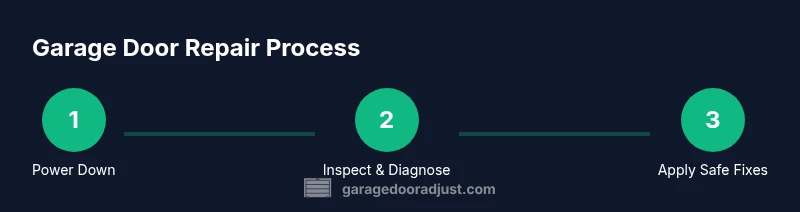
Keep this quick-reference guide handy for fast checks during a garage door repair st louis missouri. Before starting, power down the opener and secure the door so that no unexpected movement occurs. Inspect tracks for dents or misalignment and clear any debris. Disconnect the opener and perform a manual balance test by lifting the door to halfway and letting go; it should hold its position. Lubricate tracks and rollers with a silicone-based spray, avoiding the spring area. Reconnect the opener and test safety features by placing an object under the door and ensuring it reverses when contact is made. If you notice uneven travel, persistent binding, or any spring or cable issues, stop and contact a licensed technician in Missouri. Use this checklist to guide your next steps and to communicate clearly with a pro if needed.
Tools & Materials
- Safety goggles(Protect eyes from debris and springs during inspection and adjustments)
- Work gloves(Grip and protect hands while handling parts)
- Stepladder(Reach tracks and brackets safely)
- Wrench set(Tighten brackets and adjust track alignment)
- Voltage tester(Verify power is off when working near openers)
- Screwdrivers and pliers(Remove panels, detach hardware as needed)
- Silicone-based lubricant(Lubricate tracks, rollers, and hinges; avoid oil-based sprays)
- Rags or towels(Wipe away excess lubricant and clean surfaces)
Steps
Estimated time: 90-120 minutes
- 1
Power down and secure the system
Turn off the garage door opener at the wall and unplug the unit or switch off the circuit breaker. Lockout the switch if possible to prevent accidental re-energization. This prevents unexpected door movement while you inspect components.
Tip: Double-check there is no power at the receptor with a tester before touching any wiring. - 2
Disconnect the opener from the door
Pull the release cord or use the manual release lever to disconnect the door from the operator. You should be able to lift and lower the door manually with reduced effort. This allows safe manual testing of balance and movement.
Tip: If the door does not stay in place when released, note the resistance level for later assessment. - 3
Inspect tracks and alignment
Look for bends, dents, or loose brackets in the vertical tracks. Ensure the tracks are plumb using a level; tighten brackets if needed. Misaligned tracks cause binding and uneven movement.
Tip: Only gentle adjustments; force can cause more damage. - 4
Test manual balance
With the door off the opener, lift it to mid-height. If it drifts or falls, the balance or springs may be the issue. Do not attempt to adjust springs yourself.
Tip: If balance feels off, plan a professional inspection rather than DIY spring work. - 5
Lubricate moving parts
Apply silicone-based lubricant to rollers, hinges, and track joints. Wipe away excess to avoid attracting dust. Do not spray lubricant on springs or inside torsion mechanisms.
Tip: Lubrication reduces friction and extends the life of moving parts. - 6
Check hardware and mounting
Tighten loose screws and brackets on the track and opener mounting plate. Loose hardware can cause misalignment and safety concerns.
Tip: Use a torque wrench if available to avoid over-tightening. - 7
Reconnect and test the opener
Reconnect the door to the opener and test closing and opening motion. Observe the door’s travel and confirm it stops at the correct points. Test safety reversing by placing an object under the door.
Tip: Ensure auto-reverse is functioning before completing the task. - 8
Review safety features and plan next steps
Reprogram remotes if you touched the opener or sensor alignment. Document symptoms to help a pro diagnose future issues. Decide if the job is DIY-safe or requires professional help.
Tip: Create a simple checklist for future maintenance.
Got Questions?
What are the most common causes of garage door misalignment?
Misalignment is typically due to bent or loose tracks, worn rollers, or loose mounting brackets. Weather-related shifts can also affect alignment. Start by checking the tracks and brackets before inspecting rollers.
Common misalignment is usually from bent tracks or loose brackets; check those first.
Can I replace torsion springs myself?
Torsion springs are under high tension and can cause serious injury if handled improperly. It’s safest to hire a licensed technician for spring replacement, even if you can watch do-it-yourself tutorials.
Spring work is dangerous. It’s best to hire a pro.
Do I need a permit for garage door work in Missouri?
Permit requirements vary by city and county in Missouri. Check your local building department for rules on installation, removal, or major repairs, and follow any safety standards they specify.
Check with your local authorities about permits.
How can I tell if my door balance is off?
Disconnect the opener and lift the door halfway. If it stays in place, balance is good. If it falls or rises, there is a balance or spring issue that may require professional assessment.
If it won’t stay in place, balance is off.
What maintenance should I perform annually?
Lubricate tracks, rollers, and hinges; tighten hardware; test safety features; and inspect springs for wear. Regular checks extend the life of all components and prevent surprises.
Do a yearly check to keep everything running smoothly.
Watch Video
Quick Summary
- Identify whether misalignment is track- or spring-related
- Disconnect the opener before manual testing
- Use silicone lubricant on moving parts, not springs
- Do not attempt dangerous spring work; call a pro when needed
- Test safety sensors after any major adjustment