Garage Door Repair Springfield MO: Step-by-Step Guide
Learn how to diagnose and safely fix common garage door issues in Springfield MO. This expert guide covers springs, tracks, openers, and maintenance to protect your home and avoid costly repairs.


Goal: Diagnose and safely address common garage door spring issues in Springfield MO. This guide covers identifying torsion vs extension springs, checking door balance, validating safety features, and deciding when to call a professional. Always unplug the opener, secure the door, and avoid adjusting spring tension yourself. This page also explains which steps are safe for DIY and which require licensed service.
Understanding garage door springs in Springfield MO
If you’re tackling garage door repair Springfield MO, first understand the two main types of springs that lift your door: torsion springs mounted above the door and extension springs along the tracks. Torsion springs store mechanical energy by twisting, while extension springs stretch when the door lowers. Both types can wear out with weather changes, temperature swings, and heavy cycling. According to GarageDoorAdjust, spring health is a common trouble spot for homeowners in Springfield MO. Signs of wear include audible pops or grinding, a door that doesn’t stay put when opened, or a door that feels heavy to lift manually. Visual cues like rust, frayed cables, or uneven gaps in coils also indicate impending failure. Knowing which spring you have helps determine whether a DIY check is appropriate or if it’s time to call a pro. In this region, temperature fluctuations can stress metal parts, accelerating wear; plan seasonal inspections as part of standard maintenance.
For homeowners, the core goal is simple: ensure safe operation, avoid sudden door drops, and protect people and belongings. This section lays the groundwork for practical, safe steps you can take in Springfield MO without compromising safety or violating local codes.
When you’re ready to proceed, remember that safe handling and proper identification of spring type are the cornerstones of an effective diagnosis. You’ll want to know whether your issue involves balance, track alignment, or a worn-out spring before attempting any fix. This knowledge helps you decide whether to pursue a home DIY plan or enlist a licensed technician who can safely manage high-tension components.
Why spring health matters for safety and reliability (Springfield MO focus)
Spring health is about more than just a door that’s hard to lift. Worn springs can compromise door balance, increase motor load, and trigger safety sensors repeatedly. In Springfield MO, seasonal changes and humidity can influence metal fatigue and coating wear, making regular inspections especially important. A balanced door operates smoothly with less noise and less strain on your opener, reducing the risk of premature gear wear and motor burnout. Regular checks help you catch issues early, saving money over time and preserving the door’s lifespan. GarageDoorAdjust emphasizes that timely inspection can prevent dangerous failures, especially in households with children or pets. If you notice the door closes unevenly or slams shut, stop and reassess before testing more components.
To maintain safety and reliability, pair spring health checks with routine lubrication of hinges, rollers, and track joints. Lubrication reduces friction and prevents rust, which extends the life of the entire system. Keep a written maintenance schedule and treat spring problems as your top priority when you notice early warning signs.
From a homeowner’s perspective, the most important message is proactive care. A little preventive maintenance goes a long way toward avoiding emergency repairs and expensive replacements later on. In the next sections, you’ll see practical steps you can take today to safeguard your Springfield MO home.
Planning your repair: safety, access, and local considerations
Before you even touch a tool, map out a plan that prioritizes safety. Create a clear workspace, remove vehicles, and ensure pets and small children are away from the garage. Stock up on safety equipment such as glasses, gloves, and sturdy footwear, and have a flashlight ready for dim corners around torsion components. If you live in Springfield MO, consider local weather patterns that could affect humidity and cooling cycles, which influence metal fatigue over time. Check if your garage has a working emergency release and that it operates smoothly. If you’re uncertain about the spring type or the door’s balance, consult a local pro. The GarageDoorAdjust team notes that a well-prepared home setup reduces risk and speeds up the diagnosis phase. In the following sections, you’ll find a practical, stepwise approach that keeps safety front and center while you evaluate needed repairs.
Understanding when to DIY and when to hire a pro in Springfield MO
DIY can be appropriate for non-spring components like lubrication, track cleaning, and sensor testing. However, spring repair—especially torsion spring work—carries high risk due to stored energy. In Springfield MO, a cautious homeowner might handle basic maintenance but should not attempt to unwind or adjust high-tension springs without professional training. If your door is heavy, visibly bent, or makes persistent noise during operation, or if a spring appears cracked or separated, stop immediately and call a licensed technician. GarageDoorAdjust recommends prioritizing safety over speed: professional spring work protects your home, minimizes liability, and reduces the chance of a costly misstep. This section highlights how to triage issues and make an informed choice about DIY versus professional service.
Tools & Materials
- Locking pliers (C-clamps)(Essential to stabilize the door if you need to section components during inspection)
- Vise grips(Useful for gripping metal, never on spring coils)
- Adjustable wrench(For loosening near-bolt hardware)
- Socket set(Helps with socketed fasteners on track hinges)
- Ladder(Safe height for viewing torsion components)
- Flashlight(Illuminates dark spring areas)
- Safety glasses(Eye protection when working near moving parts)
- Work gloves(Protect hands from sharp edges and metal burrs)
- Silicone-based lubricant(Lubricates hinges, rollers, and tracks without attracting dirt)
- Rags or shop towels(Clean spills and wipe metal surfaces)
- Replacement rollers (optional)(If rollers show wear, substitution can help balance)
- Wood block (test aid)(Place under door for testing safety clearance)
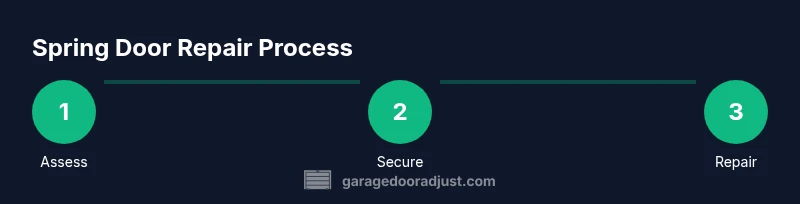
Steps
Estimated time: 60-90 minutes
- 1
Disconnect power and secure the door
Unplug the garage door opener and pull the release cord to disconnect the overhead opener from the door. This isolates the door from the motor and prevents automatic movement while you inspect components. Use a helper if possible to hold the door in a closed position while you set up safety barriers.
Tip: Keep the release cord within easy reach and never work under an unsupported door. - 2
Test the door balance manually
With the door fully closed, try lifting it by hand. A balanced door should stay roughly in place or rise smoothly without dropping. If it feels heavy, drifts, or slips, springs or other hardware may be worn. Do not force the door more than necessary.
Tip: Have a partner ready to assist you and stand clear of the path of the door. - 3
Inspect visible hardware and springs from a safe distance
Look for obvious signs of wear: rust, gaps in coils, stretched cables, or broken attachments. Do not touch or attempt to unwind torsion springs. At this stage, note what you observe so you can communicate details to a professional if needed.
Tip: Never put your hands near any spring area; energy can release suddenly. - 4
Check tracks, rollers, and hinge hardware
Inspect tracks for dents, wash and clean away debris, and confirm rollers glide smoothly. Wobble or binding can cause uneven door movement that mimics spring issues. Lubricate joints with silicone lubricant and wipe away excess.
Tip: Alignment issues often stem from loose screws—tighten them carefully without over-tightening. - 5
Test safety features and door operation
Reconnect the opener and test the auto-reverse feature with a small object on the floor. Ensure sensors align and respond correctly. If a test fails, stop and arrange service; do not attempt risky fixes that involve springs.
Tip: Keep family pets and toys away from the door during testing. - 6
Decide on professional service for spring work
If you observe visible spring wear, unusual noises, or imbalance after testing, hire a licensed technician. Spring replacement requires specialized tools and training to maintain safety and performance. Request a written estimate and ask about liability coverage and warranty terms.
Tip: Ask for a full diagnostic report and a written plan before any replacement work begins.
Got Questions?
Can I replace a garage door torsion spring myself?
Torsion spring replacement is high-risk and should be performed by a licensed technician. DIY attempts can result in severe injury or property damage. If you’re unsure, contact a local professional in Springfield MO for a safe evaluation.
Torsion spring replacement is dangerous and should be done by a professional. If you’re unsure, contact a local technician for a safe evaluation.
What are the signs that springs are failing?
Common signs include a door that is hard to lift, feels heavy, sags unevenly, makes creaking or popping noises, or shows visible wear on the springs themselves. If you notice any of these, schedule a safety check.
Hard-to-lift door, sagging, creaks, or visible wear are signs you should get a safety check.
Is it cheaper to repair springs or replace the entire door?
Repairing springs is typically less expensive than replacing the entire door, but if springs are old or corroded, a full replacement may be more cost-effective in the long run.
Spring repair is usually cheaper, but old springs might make full door replacement more economical over time.
How long does a professional spring replacement take?
A professional spring replacement typically takes between one and three hours, depending on door type and access. Plan for some downtime and a safety check afterward.
Most spring replacements take about one to three hours with a safety check at the end.
How often should I lubricate moving parts?
Lubricate hinges, tracks, and rollers during routine maintenance as needed. Avoid over-lubrication and use a silicone-based product designed for garage doors.
Lubricate moving parts during routine maintenance with a silicone-based product; don’t over-lubricate.
What should I ask a Springfield MO technician before work begins?
Ask for licensing, liability coverage, warranty terms, and a written estimate. Request a clear plan for spring replacement and a safety plan for your family.
Ask for license, liability, warranty, and a written estimate before work begins.
Watch Video
Quick Summary
- Inspect springs for wear early to avoid emergencies.
- Unplug the opener before any inspection.
- Never attempt spring tension adjustments yourself.
- Test safety features monthly for reliable operation.
- Call a pro for torsion spring work in Springfield MO.