Garage Door Repair Sacramento California: A Homeowner's Step-by-Step Guide
An expert guide for homeowners in Sacramento, California to diagnose, repair, and maintain garage doors. Learn safe DIY checks, when to call a pro, and how to keep your door performing year-round.


Goal: Restore smooth operation of your garage door in Sacramento. You will learn how to diagnose the most common faults—opener errors, misaligned tracks, worn rollers, and loose hardware—perform safe DIY fixes, and decide when to hire a professional. This quick guide outlines the steps, required tools, and safety considerations specific to California homes.
Why Sacramento Climate Impacts Garage Doors
Sacramento's climate exposes residential garage doors to more rapid wear than milder regions. The long, hot summers cause metal components—torsion springs, tracks, and hardware—to expand and contract, which can loosen fittings and misalign components over time. Dry air lowers the effectiveness of lubricants, letting rollers and hinges rub harder against tracks. Dust and pollen can build up in tracks, amplifying friction and noise. In extreme heat, you may notice slower operation as components heat up and temporarily tighten. According to GarageDoorAdjust, homeowners in Sacramento should start any inspection by noting the door’s behavior across the seasons: does it stick when cold, or operate noisily after a heat wave? Early signs are easier to fix than full failures, which can leave your door stuck in an unsafe position. A proactive approach combines seasonal checks with a simple maintenance routine: visual inspection, periodic lubrication, and tightening loose hardware. By planning around Sacramento’s weather patterns, you can extend the life of springs, rollers, and the opener, reducing the likelihood of costly emergency service.
Basic Safety Principles for DIY Garage Door Repair
Garage door repair can be hazardous because the door itself is heavy and the springs store a lot of energy. Before you touch anything, disconnect the opener from power and secure the door in the fully closed position. Wear safety glasses and gloves, keep hands away from tracks and hinges, and never stand under a door that you suspect could fail. Use a sturdy ladder, stable footing, and two helpers if you must lift or move heavy components. If you’re unsure at any point, pause and call a professional. The goal is to reduce risk while you assess wear and plan your next steps. In California homes, local codes may require licensed technicians for certain repairs, so verify licensing requirements if you’re not 100% confident.
Common Symptoms and What They Mean
Common symptoms to watch for include a door that moves slowly or stops mid-travel, grinding or squealing noises from the tracks or rollers, a door that won’t respond to the opener, or a safety sensor that keeps reversing the door. Slow operation often signals dirty tracks or worn rollers, as friction increases resistance. Grinding noises may indicate worn bearings or gear wear inside the opener. If the door won’t respond to the remote but the wall switch works, the problem may lie with the remote or sensors rather than the door itself. A door that sags on one side or refuses to stay open is typically a balance issue or loose hardware. Any recurring issue should be logged and addressed before attempting more extensive repairs.
Evaluating the Opener and Its Settings
Start by testing the opener’s wall switch and the remote control. Replace batteries and re-pair remotes if needed. Check the safety sensors at the bottom corners of the door; they should align and illuminate when the door is open. If the door moves but reverses unexpectedly, inspect the safety reversal system and adjust the force/limit settings according to the manufacturer’s instructions. Always unplug power before making adjustments to internal opener components, and test the system with the door closed to ensure the reversal mechanism operates safely.
Tracks, Rollers, and Hinges: Maintenance and Alignment
Clean the tracks with a soft cloth and a mild soap solution to remove dirt and grit. Inspect rollers for cracks or flat spots and replace damaged rollers; swivel-type rollers should spin freely. Lubricate moving parts with a silicone- or lithium-based lubricant, avoiding excess lubrication that can attract dust. Check the tracks for alignment: they should be perfectly vertical when viewed from the front. If a track is visibly bent, do not force it back into place—misaligned tracks can cause severe binding and damage. Tighten loose screws or brackets to ensure the tracks remain stable during operation.
Springs and Cables: When to Call a Pro
Springs store a lot of energy and can cause serious injury if mishandled. Do not attempt to unwind or replace torsion or extension springs yourself unless you are trained and equipped for this high-risk task. If you hear sudden loud pops, notice cracks, or see the door feel dramatically heavier, contact a licensed technician immediately. A professional can safely assess balance, spring wear, and cable integrity, and perform replacements with proper safety equipment and calibration. For most homeowners, spring work is a job for an insured pro.
Local Considerations: Permits, Codes, and Service in Sacramento
Sacramento-area homes may have local codes and licensing requirements for certain repairs. Always verify whether a permit is necessary for major repair work or spring replacement, and ensure the technician is properly licensed and insured. Scheduling service during mild weather windows can reduce the risk of weather-related complications during outdoor work. The GarageDoorAdjust analysis shows that working with licensed professionals not only improves safety but also helps ensure repairs meet local codes and warranty terms. When evaluating contractors, ask for licensing information, warranty coverage, and a written, itemized estimate.
Quick Maintenance Schedule and Troubleshooting Checklist
Create a simple yearly schedule: perform a quick visual inspection every season, lubricate moving parts every 3–6 months, and test safety features monthly. Use the troubleshooting checklist below to quickly diagnose common issues and decide when to call a pro.
- Visual inspection: look for loose hardware, worn weatherstripping, and signs of track misalignment.
- Lubrication: apply a light lubricant to hinges, rollers (if exposed), and tracks; wipe away excess.
- Sensor test: place an obstacle under the door and ensure the opener reverses as required.
- Balance test: with the door closed, disconnect the opener and lift the door manually; it should stay in place when balanced. If it feels heavy or binds, seek professional help.
- When to call a pro: persistent failure, weird noises, visible track damage, or spring concerns. The GarageDoorAdjust team recommends scheduling a professional inspection if in doubt to avoid personal injury and door damage.
Tools & Materials
- Safety glasses(Protect eyes from debris and tool slips.)
- Gloves(Grip and hand protection during adjustments.)
- Ladder (stable, 2-3 steps)(Access high components safely.)
- Cordless drill with screwdriver bits(Remove and reinstall fasteners quickly.)
- Screwdrivers (Phillips and flat-head)(Manual fastener adjustments and inspections.)
- Wrench set(Tighten hardware and brackets.)
- Lubricant spray (silicone or white lithium)(Lubricate hinges, rollers, and tracks—avoid overuse.)
- Rags and mild cleaner(Clean surfaces before lubrication.)
- Level(Verify vertical track alignment.)
- Replacement rollers or hinges (optional)(Only if worn or damaged; install by a pro if springs are involved.)
Steps
Estimated time: 60-120 minutes
- 1
Safety prep and initial inspection
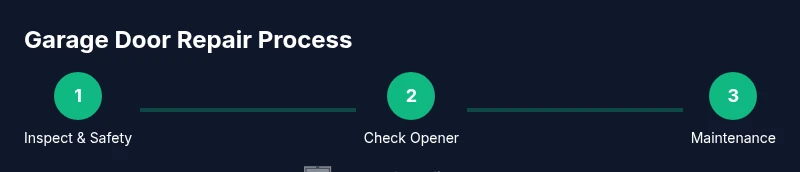
Disconnect power to the opener and secure the door in the closed position. Inspect all visible hardware for looseness, wear, and corrosion. Make a note of any items that clearly require tightening or replacement.
Tip: Work with a partner if possible to avoid trap hazards and to position a ladder stably. - 2
Check opener settings and sensors
Test the wall switch and remote. Clean sensor lenses and realign the safety sensors if the door doesn’t reverse properly. Reset or re-pair remotes as needed.
Tip: If the door won’t reverse when an object is placed under it, stop and seek professional help. - 3
Balance and manual operation test
With the door closed and power off, lift the door halfway manually. If it stays in place, the balance is good; if it drops or rises, there may be spring or track issues requiring a pro.
Tip: Never attempt to adjust springs yourself; balance checks are a clear signal to call a technician. - 4
Inspect and lubricate moving parts
Wipe clean tracks, hinges, and rollers, then apply a light lubricant to moving parts. Avoid spraying lubricant directly on the torsion spring.
Tip: Use a small amount; excessive lubricant collects dust and grime. - 5
Assess track alignment and hardware
Check that tracks are vertical and securely fastened. If tracks appear misaligned, only slight nudges should be attempted; major bending should be avoided.
Tip: If you see a bent track, stop and call a pro to prevent a door crash. - 6
Test operation and safety features
Reconnect power and test the door through a full cycle using the opener. Confirm the door opens and closes smoothly, and the safety reversal triggers correctly.
Tip: Document any issues and time stamps; a professional service report helps with warranties.
Got Questions?
What should I do first if my garage door won't open?
Start with safety: disconnect power, inspect for visible damage, and check the opener settings and safety sensors. Try a quick reversal test and verify you can operate the door manually if possible. If the door remains unresponsive, seek professional evaluation.
First, ensure safety and power is off, check sensors and simple fixes, then call a pro if it still won't open.
Can I fix a bent track or damaged roller myself?
Minor debris removal and lubrication are okay, but bent tracks or damaged rollers should not be forced back into position. Misaligned tracks can cause injury or further damage; consult a professional for alignment and replacement.
Don’t try to straighten bent tracks yourself—seek professional help for safety.
How do I know if the springs are failing?
Indicators include difficulty lifting the door manually, unusual noises, or the door not staying in place when balanced. Spring work is dangerous; if you suspect failure, contact a licensed technician immediately.
If the door feels heavy or won’t balance, it’s time to call a pro.
Is it safe to lubricate tracks and hinges myself?
Yes, with caution. Use a light lubricant and wipe away excess. Do not apply directly to torsion springs and avoid over-lubricating; keep the area clean to prevent dust buildup.
Lubricate only lightly and avoid springs. Keep things clean.
Do I need a permit for garage door repair in Sacramento?
Permit requirements vary by city and repair scope. Check with your local building department or a licensed contractor. In many cases, major structural or spring-replacement work may require permits.
Check with your local authority or a licensed pro to confirm permit needs.
Watch Video
Quick Summary
- Inspect components seasonally to catch wear early
- Do not attempt spring replacements yourself
- Keep the opener and sensors calibrated for safe operation
- Hire licensed pros for high-risk repairs in Sacramento