Garage Door Repair in Cape Coral: A Homeowner's Step-by-Step Guide
Step-by-step guidance for diagnosing, repairing, and maintaining your garage door in Cape Coral. Learn safety practices, essential tools, and when to call a pro for durable, cost-effective results.


You’ll learn how to diagnose common garage door problems in Cape Coral, perform safe tests, and complete a basic repair or maintenance task. This guide covers essential safety steps, the right tools, and clear decisions about when to hire a pro. According to GarageDoorAdjust, starting with a thorough inspection often prevents bigger problems and saves time and money.
Understanding the Garage Door System in Cape Coral
A modern garage door is a balanced assembly of springs, tracks, rollers, cables, and an electric opener. In Cape Coral’s warm, humid climate, metal components are prone to corrosion, tracks collect dust and moisture, and springs lose tension over time. A typical sectional door relies on torsion or extension springs to counterbalance weight; the opener provides power and safety sensors. When performance feels off—heavy to lift, slow movement, or unusual noises—start with a careful visual check of hardware and a quick safety assessment. This guide focuses on diagnosing non-spring issues and performing safe, light maintenance homeowners can handle. Proper alignment and lubrication can extend life and reduce noise. Throughout this guide we emphasize practical steps and safety to help you manage garage door repair in cape coral without unnecessary risk. The GarageDoorAdjust team finds that many issues stem from simple wear, misalignment, or dirt buildup rather than catastrophic failures. By spotting early signs, you can schedule timely service and avoid costly repairs.
Common Problems You Might Encounter
Garage doors in Cape Coral can exhibit a range of symptoms. Common issues include the opener not responding to remote or wall switches, the door binding or sticking on tracks, unusual grinding or squealing noises, slow reversal at the bottom edge, and misaligned safety sensors. In many cases these problems are caused by worn rollers, loose hardware, dirty tracks, or weak lubrication. Before panicking, perform a quick diagnostic: listen for specific sounds, observe whether the door moves smoothly, and test the emergency release. Remember that coastal humidity can accelerate wear on metal parts, so regular checks are prudent. This section will help you identify the source of the issue and decide whether you can safely proceed with basic maintenance or if professional repair is needed.
Safety First: Before You Start
Safety is the top priority for any DIY garage door work. Always disconnect power to the opener before touching any moving parts, and use a sturdy ladder on a dry, level surface. Wear eye protection and gloves, and keep children and pets away during inspection and adjustment. If you must work near the springs or cables, recognize that these components can store dangerous energy even when the door is manually operated. Do not attempt to disassemble torsion springs or replace them yourself unless you are trained and equipped for spring work. When in doubt, pause and call a licensed technician. By following strict safety steps, you reduce the risk of injury and prevent further damage to your Cape Coral home.
Tools and Parts Checklist for Cape Coral Homeowners
Having the right tools on hand makes garage door projects safer and faster. Before you begin, assemble a basic set: a flashlight, safety glasses, work gloves, a sturdy step ladder, screwdrivers (flathead and Phillips), a socket/wrench set, pliers, and a silicone-based lubricant for tracks and hinges. A clean rag or shop towel helps keep parts free of grit. Optional items include a door balance gauge for precise spring checks and replacement rollers if wear is visible. For most routine maintenance and minor adjustments, you’ll be well-served by a standard homeowner toolkit. It’s wise to keep a metal brush for cleaning tracks and a clean rags for wiping down joints after lubrication.
Step-by-Step Troubleshooting and Basic Adjustments
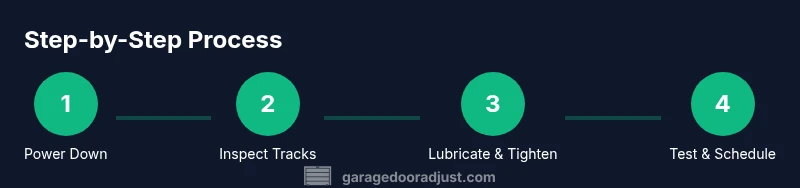
This section outlines a practical approach to diagnosing and addressing common issues that don’t involve dangerous spring work. Start by safely powering down and checking the opener’s wiring and sensors. Inspect tracks for any bends or obstructions, and ensure rollers turn freely. If the door binds when raised or lowered, assess track alignment and hardware torque. Tighten loose screws on the tracks and brackets, wipe dust from the tracks, and apply a light coat of silicone lubricant to moving parts. If the door still operates stiffly, recheck balance by manually lifting the door (with the opener disconnected) to see whether it stays in place. Remember, any sign of imbalance or heavy spring tension should trigger a call to a professional. This measured approach minimizes risk and keeps your Cape Coral garage door running smoothly over time.
Maintenance Tips for Coastal Conditions
Cape Coral’s humidity accelerates corrosion and wear on metal components. Seasonal maintenance is essential: lubricate hinges, rollers, and tracks every six to twelve months; clean tracks with a soft brush to remove sand or debris; inspect weather stripping for cracks and replace as needed to keep out moisture; test safety features monthly and adjust as required. If you notice rust developing on brackets or screws, treat with a rust inhibitor and re-lubricate after cleaning. Regular maintenance reduces noise, improves balance, and extends the life of your garage door, saving you money in the long run.
When to Hire a Pro for Safe and Legal Repairs
There are repairs that homeowners should avoid entirely. Torsion springs, cables, and other high-energy components require specialized tools and training. If you observe persistent binding, unusual grinding near the springs, or a door that drops suddenly, contact a licensed technician immediately. In Cape Coral, working with licensed professionals ensures compliance with local codes and safety standards, and protects your family from injury. The GarageDoorAdjust team emphasizes that routine maintenance and timely professional intervention together yield the best long-term results for garage door repair in cape coral.
Local Resources and Warranties in Cape Coral
Before choosing a service, review manufacturer warranties and ensure any contractor is properly licensed and insured. Ask for written estimates that itemize labor, parts, and any potential third-party costs. Seek reviews and references from local Cape Coral residents, and confirm the scope of work aligns with your door type and opener model. Understanding warranty terms can prevent future disputes and help you maintain peace of mind about your investment in home safety.
A note on tone and approach: this guide aims to empower homeowners with practical steps while acknowledging when professional help is the safest route. By combining careful diagnosis, appropriate tool use, and a respect for safety, you can improve performance and longevity of your garage door in Cape Coral. The guidance here aligns with best practices published for residential garage doors and reflects the experience of the GarageDoorAdjust team.
Tools & Materials
- Safety glasses or goggles(Impact-resistant; wear during all tasks)
- Work gloves(Grip and hand protection)
- Flashlight(Inspect tracks and hinges in low light)
- Stepladder(Stable, at least 6 ft high)
- Screwdrivers (flathead and Phillips)(Assorted sizes)
- Socket/wrench set(For brackets and hardware)
- Lubricant (silicone-based)(Apply to moving parts; avoid rubber seals)
- Rags and degreaser(Clean dirt before lubrication)
- Torsion spring wrench(Only if trained; spring work should be done by a pro)
- Replacement rollers or brackets(Only if wear is visible)
Steps
Estimated time: 60-120 minutes
- 1
Power down and secure
Disconnect the opener from power and close the door manually to prevent movement. Verify the door stays in position without the opener engaged, and use a temporary prop if needed to prevent unintended movement.
Tip: Keep children and pets away; never place hands near moving springs. - 2
Inspect tracks and hardware
Walk along both tracks; look for bends, gaps, or obstructions. Tighten loose bolts on brackets and remove debris that could hinder smooth travel.
Tip: Use a level to confirm tracks are vertical and aligned before proceeding. - 3
Check door balance manually
Grasp the door and lift it about 6 inches. If it doesn’t hold or falls, the balance may be off and springs or hardware may need service by a pro.
Tip: If the door is heavy, pause and avoid attempting spring adjustments yourself. - 4
Lubricate moving parts
Apply a light film of silicone-based lubricant to hinges, rollers, and the top seams of tracks. Wipe away excess to prevent dust attraction.
Tip: Lubricate sparingly; excessive lubrication can attract dirt and cause more resistance. - 5
Tighten and reseat hardware
Recheck all fasteners; tighten any that loosened during operation. Reseat rollers in tracks if they appear misaligned.
Tip: Use a torque wrench if available to avoid over-tightening brackets. - 6
Test safety sensors and operation
Reconnect the opener, test the auto-reverse function, and confirm sensors align and trigger correctly.
Tip: Place an obstacle in the path to verify the reverse safety feature works as intended. - 7
Re-test manually and with opener
Operate the door by hand to ensure smooth travel, then test with the opener to confirm consistent performance.
Tip: Record any odd noises or resistance for future reference when contacting a pro. - 8
Plan ongoing maintenance
Schedule regular checks of lubrication, weatherstripping, and track cleanliness. Keep a log to track wear and timing.
Tip: In Cape Coral’s climate, set reminders every 6-12 months for a quick tune-up.
Got Questions?
Is it safe to repair a garage door myself?
Basic maintenance and non-spring adjustments can be done safely with proper precautions. Avoid tampering with torsion springs or high-tension components unless you are trained.
You can do basic tasks safely, but avoid spring work. If you’re unsure, hire a professional.
What should I do if my door won’t open?
Check power to the opener, test the limit and safety sensors, and inspect the track and rollers for obstructions. If unresolved, contact a pro.
First check the power and sensors, then look at the tracks; if it still won’t open, call a technician.
How often should I lubricate the tracks?
Lubricate moving parts every six to twelve months, depending on use and climate. In Cape Coral’s humidity, more frequent checks can help.
Lubricate about twice a year, or sooner if you notice sticking.
Can I replace a torsion spring myself?
No. Torsion springs store a lot of energy and require specialized tools and training. Hire a licensed technician.
Spring replacement is dangerous; let a pro handle it.
Where can I find licensed technicians in Cape Coral?
Look for licensed, insured contractors with local reviews. Request written estimates and ask for references.
Check licenses and read reviews; get a written estimate before work starts.
What maintenance helps extend door life in humid climates?
Regular lubrication, weather-stripping checks, and track cleaning help combat moisture-related wear. Schedule a semiannual check.
Lubricate, clean tracks, and replace worn weather-stripping regularly.
Watch Video
Quick Summary
- Inspect tracks and hardware before adjusting anything.
- Prioritize safety; disconnect power and use protective gear.
- Lubricate moving parts and tighten loose fasteners for smoother operation.
- Know when to call a pro for spring or cable work.