Garage Access Door: Step-by-Step Repair and Installation Guide
A practical, expert guide for diagnosing, repairing, and installing a garage access door and opener with safety tips, tools, and troubleshooting steps for homeowners.


This guide helps homeowners diagnose common issues with a garage access door, choose safe repair strategies, and perform a step-by-step installation of a new opener or door. You’ll need a clean workspace, a basic tool set, and strict safety practices to prevent injuries and avoid costly mistakes. Follow the sections on tools, step-by-step actions, cautions for moving parts, and testing checklists to ensure a durable fix.
Preparing Your Workspace for a Garage Access Door Project
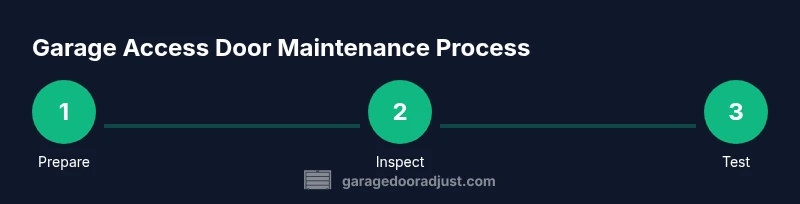
Before you touch a garage access door, set up a safe, clear workspace. Remove any vehicles, pets, and valuables from the garage and ensure adequate lighting. Gather your tools and materials from the TOOLS-MATERIALS list, and lay them on a stable surface. If you are working with an electric opener, disconnect the power at the circuit breaker first and unplug the unit at the wall. Verify the door is completely closed and secured to prevent accidental movement. Label components if you anticipate reassembly, and keep a trash bin handy for old hardware. Document the door model and opener serial numbers for future reference. Finally, review the manufacturer’s manual for your specific door and opener, especially cautions about springs, cables, and torsion systems. This preparation reduces surprises and minimizes risk during repair or installation.
Safety First: Power, PPE, and Clearances
Safety is non-negotiable when handling a garage access door. Always disconnect power to the opener and, if possible, unplug the unit at the wall. Wear safety glasses and sturdy gloves, and keep children and pets away from the work area. Ensure the door is in a fully lowered position and secured with wheel chocks or clamps when needed. Have a clear path for motion and a plan in case the door shifts unexpectedly. Establish a step-by-step plan, and keep your work area well lit to spot loose hardware or frayed cables before they become hazards.
Diagnosing Common Symptoms: Noisy, Sticking, or Inoperable Doors
Common symptoms provide clues about where trouble lies. A grinding or squealing noise often points to worn rollers, dry bearings, or misaligned tracks. A door that sticks or moves unevenly may indicate binding tracks, loose hardware, or balance issues. An opener that won’t move the door could be an electrical fault, sensor misalignment, or remote programming problem. Start with a visual inspection, then test operation manually if safe. Document each symptom and compare it to a simple troubleshooting checklist to narrow down the cause before replacing parts.
Inspecting the Door Tracks, Hinges, and Rollers
Track alignment is critical for smooth operation. Look for dents, bends, or gaps where the track meets the rollers. Check that all track sections are securely fastened with screws or bolts and that fasteners aren’t loose. Inspect hinges and roller wheels for flat spots, cracks, or excessive wear. If a roller is seized, remove power, support the door, and replace the worn part with a manufacturer-approved component. Do not force a misaligned track back into place; instead, correct the alignment with proper shims and bracket re-seating to avoid future binding.
Checking the Springs and Cables: What to Look For
Springs and cables are the high-tension elements of a garage access door. Look for frayed cables, broken strands, or obvious gaps in torsion springs. Do not attempt to adjust or replace torsion springs yourself unless you are trained; improper handling can cause severe injury. If you notice any sign of wear, arrange professional service. If you have a split winding or visible gaps in a spring, treat it as a critical failure and call a pro. For extension springs, inspect mounting hardware and replace worn components promptly.
Balancing the Door Without the Opener
A balanced door should stay in place when raised halfway and require minimal effort to lift manually. Disconnect the opener, lift the door to about midway, and slowly release. If it drifts downward, or if it jumps when released, there is an imbalance or binding somewhere in the track or springs. Use proper lifting technique and have a helper assist with heavier doors. Balancing the door improves safety and reduces strain on the opener and motor over time.
Lubrication and Maintenance: Keeping Parts Moving Smoothly
Lubricate moving parts to reduce friction and noise. Apply a light silicone-based spray or a garage-door-specific lubricant to rollers, hinges, and the top of the tracks. Wipe away excess lubricant to prevent dust buildup. Avoid lubricating the track itself heavily, as excess oil can attract dirt and cause additional sticking. Establish a simple maintenance cadence—seasonally or every 6–12 months—and note any changes in door behavior to catch issues early.
Safety Sensors and Opener Settings: Calibrations You Must Do
Photoelectric safety sensors must be aligned and unobstructed. If the door reverses unexpectedly, check the sensor alignment and cleanliness, and test the auto-reverse function. Recalibrate opener limits and force settings according to the manufacturer’s instructions, especially after adjusting the door height or replacing components. Regularly test the sensor beams from both sides of the door and ensure no objects block the path. These calibrations prevent injuries and protect pets and children.
Replacing or Upgrading Components: When to DIY vs. When to Hire
Simple tasks like replacing rollers or lubricating tracks are suitable for a confident DIY homeowner. Complex tasks such as torsion-spring work, major track replacement, or installing a new opener with a remote programming system are safer for a trained technician. Always verify compatibility with your door model and opener. If you question your ability, contact a professional to prevent injuries and ensure a proper warranty.
Reinstalling a New Opener: Step-by-Step Guidance
If you are installing a new opener, start by mounting the rail and trolley kit to the header bracket, then align the operator’s power cord and limit switches. Attach the rail to the door arm, connect to the door, and install safety sensors per the manual. Run a test cycle with the door open and closed to verify smooth operation, sensor alignment, and safe reversing.
Final Safety Check, Testing, and Maintenance Plan
Conclude with a thorough safety check: recheck fasteners, confirm track alignment, test balance, calcium-deposit-free tracks, and ensure the door closes fully and reverses if obstructed. Create a simple maintenance schedule and keep a log of parts replaced and their dates. A proactive approach saves time and money over the life of your garage access door.
Troubleshooting Quick Reference and Next Steps
Keep a ready-reference checklist for symptoms, root causes, and fixes. If you cannot identify the problem, or if you encounter high-tension springs, call a professional. Maintain a routine for lubrication, sensor checks, and hardware tightening to prevent future failures. When in doubt, prioritize safety and professional guidance.
Tools & Materials
- Safety glasses(Impact-resistant lenses; side shields)
- Work gloves(Puncture-resistant for grip)
- Stepladder(Stable, non-slip feet)
- Socket wrench set(Metric and SAE sizes)
- Flathead screwdriver(Small and medium tip sizes)
- Phillips screwdriver(Magnetic preferred)
- Cordless drill with bits(Phillips and hex bits)
- Lubricant (silicone-based)(Garage-door grade; avoid excess)
- Replacement parts (rollers, gaskets)(Only if worn; verify compatibility)
- Measuring tape(At least 12 ft for large doors)
- Marker or masking tape(Label components for reassembly)
- Step-by-step manual(Manufacturer’s guide for your model)
Steps
Estimated time: 120-180 minutes
- 1
Prepare workspace and disconnect power
Clear the area, remove vehicles, and ensure lighting. Disconnect power to the opener and confirm the door is fully closed. This prevents unexpected movement while you work.
Tip: Double-check that the door cannot move before you begin; lock the door if possible. - 2
Inspect tracks and hardware
Visually inspect tracks for dents, misalignment, and loose brackets. Tighten screws, replace damaged brackets, and clean debris from the track surfaces.
Tip: Use a level to confirm vertical alignment of tracks. - 3
Check rollers and hinges
Look for worn rollers, cracks in hinges, and any play in the joints. Replace worn rollers with manufacturer-approved parts.
Tip: Lubricate after replacement to reduce friction. - 4
Assess springs and cables
Do not attempt torsion-spring adjustments unless trained. Inspect for frays, gaps, or abnormal wear. Schedule professional service if any spring appears compromised.
Tip: Leave high-tension components to professionals for safety. - 5
Balance the door manually
With the opener disconnected, lift the door to about midway. It should remain steady. If it tends to drift, you likely have a balance issue.
Tip: Have a helper assist with heavy doors to prevent injury. - 6
Lubricate moving parts
Apply a light coat of silicone lubricant to rollers, hinges, and where parts slide against each other. Wipe away excess to prevent dirt buildup.
Tip: Avoid oil-based lubricants on plastic rollers. - 7
Test safety sensors
Ensure sensors are clean and aligned. Block the beam and test the auto-reverse function at the floor switch and wall control.
Tip: If misaligned, gently reposition and retest. - 8
Reconnect power and test opener
Reattach power, cycle the door several times, and observe normal operation, sensor response, and safe reversal.
Tip: Test from both wall control and remote. - 9
Plan maintenance and future checks
Document the work, schedule lubrication and sensor checks, and retain parts under warranty in case future issues arise.
Tip: Create a simple calendar reminder for maintenance.
Got Questions?
What is the first sign my garage access door needs repair?
Listen for grinding noises, notice binding, or a door that won’t stay in place. These symptoms indicate potential wear or misalignment that should be addressed promptly to prevent further damage.
Listen for rubbing sounds or binding, which signal wear or misalignment. Address these early to prevent bigger problems.
Can I repair a torsion spring by myself?
Torsion springs are under high tension and can cause severe injury. Do not attempt to adjust or replace them yourself unless you are trained and equipped with proper safety gear.
No. Torsion springs are dangerous and should be handled by professionals.
Should I lubricate yearly?
Lubrication is recommended on moving parts at a reasonable cadence, typically every 6 to 12 months, depending on climate and usage. Inspect for any signs of dry metal or unusual noise between cycles.
Yes, lubricate every 6 to 12 months and check for wear.
What safety tests should I perform after installing a new opener?
Test the auto-reverse function by placing an object in the door’s path and ensuring the door reverses. Check the beam sensors are clean, aligned, and unobstructed, and verify remote and wall control operation.
Test reverse function and sensor alignment after install.
Is it cheaper to replace the door or the opener?
Costs vary with door condition and opener age. Generally, replacing an older opener is cheaper than a full door replacement, but consider insulation, security features, and long-term reliability when deciding.
Costs depend on your door’s condition and the opener age; weigh insulation and security as well.
Quick Summary
- Prepare a safe workspace before starting
- Inspect tracks, rollers, and hardware for wear
- Balance the door manually to confirm smooth operation
- Lubricate moving parts without over-oiling
- Test safety sensors and operator settings after work