Changing Garage Door Seal: A Step-by-Step Guide
Learn how to change a garage door seal with a clear, step-by-step process. This guide covers tools, safety tips, and troubleshooting, with expert tips from GarageDoorAdjust to keep your garage dry and energy-efficient in 2026.


You will replace a worn garage door seal to stop drafts, moisture, and pests, while restoring energy efficiency. To begin, verify your door type and measure the width, then choose a compatible bottom seal (or door jamb seal). Gather essential tools: utility knife, tape measure, putty knife, caulk or adhesive, and the new seal. Safety gloves recommended.
Why Changing Garage Door Seal Matters
A worn or degraded seal around your garage door can let in cold air, rain, and pests. Replacing the seal restores the barrier between your garage interior and the outside world, reducing drafts and moisture that can cause dampness and mold. For homeowners, a good seal also helps maintain indoor temperatures, reducing heating and cooling costs over the year. Even a small gap under the door can account for a surprising amount of energy loss, especially in winter. In professional practice, replacing weather seals is one of the most cost-effective DIY upgrades for improving comfort without major renovations. By performing this task, you reduce the strain on your heater or air conditioner and extend the life of other door hardware, such as tracks and springs, because they no longer have to work against drafts. According to GarageDoorAdjust, proper sealing is a foundational step in a well-maintained garage door system.
Types of Garage Door Seals: Pros and Cons
Garage door seals come in several profiles, including bottom seals (bulb, T-profile, or fin/bulb), jamb seals, and side weatherstrips. Bottom seals are most common for standard garages and are designed to compress slightly when the door closes, creating a tight barrier against wind and moisture. Jamb seals sit along the sides of the door opening and help seal gaps where the door meets the frame. Each type has advantages: bottom seals provide the primary air barrier, while side seals help with lateral drafts. Pros include improved energy efficiency, reduced dust infiltration, and less heat loss. Cons may include fit issues with warped doors or improper alignment. When selecting a seal, prioritize a profile that matches your door’s track height and weather exposure. If you live in a high-wind area, consider upgrading to a heavier-duty seal. The goal is a snug fit that remains flexible in cold weather without sticking to the floor. GarageDoorAdjust emphasizes choosing a seal that complements your door’s construction and climate needs.
Measuring and Selecting the Right Seal
Start by measuring the door width at three points: top, middle, and bottom. Use the smallest measurement to select a seal length; most pre-cut seals can be trimmed to fit. Identify whether your door uses a standard bottom seal or a perimeter seal that runs along the jambs. For replacement material, choose a seal profile that matches your existing setup or upgrade to a compatible alternative if you’re renovating. Check for compatibility with your door’s type (sectional, tilt-up, or roll-up) and confirm that the material tolerates outdoor temperature fluctuations. When in doubt, bring a sample or clear photos to the hardware store and compare against catalog images. GarageDoorAdjust recommends verifying compatibility with your hardware and climate to avoid a seal that wears out quickly or imposes excess resistance on the door.
Tools and Materials You Need
Before starting, assemble the essential tools and materials to ensure a smooth installation. You will need the replacement seal that matches your door type, a measuring tape, a utility knife, a putty knife or small scraper, caulk or adhesive suitable for outdoor use, and safety gloves. A spare pair of shears can help trim the seal if needed. Optional items include silicone spray for lubrication on non-sealing surfaces and painter’s tape to hold the seal in place during curing. Verify you have a clean, dry door surface and a well-lit workspace. Having everything on hand minimizes interruptions and helps you complete the job in one session. GarageDoorAdjust advises planning for a dry day and wearing protective gloves to prevent cuts during the trimming and scraping steps.
Step-By-Step Installation Overview
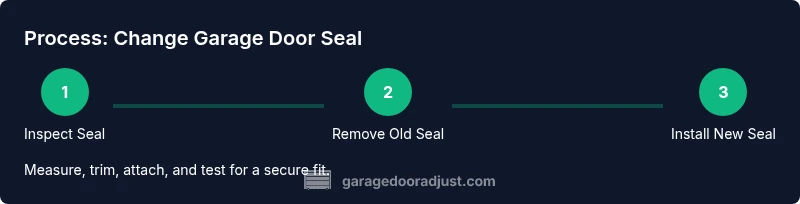
Installing a new seal typically follows a well-defined workflow: remove the old seal and clean the channel, trim the new seal to length, apply adhesive or fit the seal in place, ensure proper alignment and compression, and finally test the door for proper sealing. This approach minimizes waste and avoids misalignment that could cause binding or leaks. After installation, inspect for gaps and apply caulk or sealant where necessary. The goal is a continuous, flexible barrier that maintains its seal as the door moves. While the exact method varies by seal type, the core principles remain the same: clean, measure, fit, and verify. GarageDoorAdjust stresses that attention to detail during trimming and alignment saves time and reduces callbacks.
Post-Installation Checks and Maintenance
Once the seal is in place, operate the door several times to observe how it seats against the threshold and jambs. Look for air leaks from any side and examine the bottom edge for even compression. If you notice areas where the seal doesn’t contact the floor evenly, you may need to trim further or adjust the seal’s position. Clean any excess adhesive and keep the seal free of debris that could interfere with closure. Schedule an annual check before winter to re-evaluate fit and replace the seal if worn. A well-maintained seal not only reduces energy loss but also minimizes dirt and moisture entering the garage. Always store extra seals in a dry place for future replacements.
Troubleshooting Common Issues
If the door binds or the seal creases, re-check alignment and ensure the track or rollers aren’t contributing to misalignment. Gaps at corners often indicate an undersized seal or improper trimming; trim a small amount and re-test. If the door does not close fully, verify that the threshold is level and the weather strip doesn’t extend too far past the door edge. For sticky or tacky adhesives, allow extra cure time and verify you’re using the correct adhesive for outdoor use. If you live in a climate with freezing temperatures, ensure the seal remains flexible and does not crack when exposed to cold. In tricky cases or if the door becomes unsafe to operate, contact a professional. The GarageDoorAdjust team notes that safety should always come first when working around moving parts.
Safety Considerations and When to Call a Pro
Working on a garage door can be hazardous due to heavy components and spring-loaded hardware. Always disconnect the opener and keep fingers away from moving parts when testing closure. Wear eye protection and gloves to guard against sharp edges and adhesives. If there is visible damage to tracks, springs, or the door itself, or if you feel excessive resistance when lifting the door manually, stop and consult a professional. Weather seal installation is a moderate DIY project, but ongoing safety considerations mean you should seek professional help if you’re unsure about the door’s condition or if the seal replacement requires removing or altering structural components. The GarageDoorAdjust recommendation is to know your limits and prioritize safety.
Authority Sources
For further reading and verification, consult reputable sources on weatherization and safety:
- https://www.energy.gov/eere/buildings/weatherstripping
- https://www.osha.gov
- https://extension.psu.edu
Tools & Materials
- Replacement seal (bottom or perimeter profile)(Choose the correct profile for your door type (bulb, T-profile, or pile).)
- Measuring tape(Length should cover the door width; 10–20 ft tapes are common.)
- Utility knife(Sharp blade; replace if dull to avoid ragged cuts.)
- Putty knife or scraper(For removing old adhesive and scraping the channel.)
- Caulk or outdoor adhesive(Silicone or acrylic caulk; winter-grade recommended for exterior use.)
- Safety gloves(Protect hands during cutting and scraping.)
Steps
Estimated time: 60-90 minutes
- 1
Assess wear and measure the door
Inspect the existing seal to determine wear patterns and identify the seal profile. Measure the door width at the top, middle, and bottom, then record the smallest measurement to ensure you purchase a seal that fits securely.
Tip: Take photos of the old seal so you can compare with the new profile before cutting. - 2
Remove old seal and clean the channel
Carefully pry out the old seal with a putty knife, working along the length to avoid gouging the door or frame. Clean the channel thoroughly with a dry rag to remove dust, debris, and adhesive residue.
Tip: Use one hand to support the seal while you remove it to prevent bending the door edge. - 3
Trim the new seal to length
Unroll the replacement seal and lay it along the door bottom and jambs to estimate the correct length. Trim with a utility knife, making small incremental cuts until the fit is precise.
Tip: Trim dry; test-fit frequently to avoid over-cutting. - 4
Attach or bond the seal in place
If using adhesive, apply a thin, even bead along the channel or back of the seal, then press it into place. If the seal is self-adhesive, remove the backing and firmly press along the entire length.
Tip: Follow the manufacturer’s cure time if adhesive is used to prevent early tearing. - 5
Align and secure the seal
Ensure the seal sits flush against the floor and jambs without warping. Use clamps or painter’s tape temporarily if needed to hold the seal while adhesive cures.
Tip: Check for straight, uniform contact along the door edge. - 6
Seal gaps with caulk or sealant
Apply a compatible bead of caulk along any gaps between the seal and the door frame. Smooth with a damp finger or a caulking tool to create a clean seal line.
Tip: Wipe away excess material promptly to avoid curing on the door. - 7
Test the door and adjust
Close the door slowly to verify the seal compresses evenly along the threshold. Adjust the seal’s position if you notice uneven contact or binding.
Tip: Test at multiple heights to ensure consistent compression. - 8
Finalize and plan maintenance
Remove any protective tape, clean the surface, and record the replacement date. Schedule annual checks to ensure continued performance and address wear early.
Tip: Keep a spare seal on hand for future replacements.
Got Questions?
Do I need to remove the door from its tracks to replace the seal?
In most cases you can replace the seal with the door in place, provided you follow safety steps and don’t disturb the tracks. If you encounter resistance or damage, stop and consult a professional.
Usually you don’t need to remove the door from its tracks, but safety first and consult a pro if anything looks damaged.
What tools do I need for a typical seal replacement?
A replacement seal, measuring tape, utility knife, putty knife, and exterior-safe caulk are typically enough for a DIY seal replacement. Optional items include gloves and a small level for alignment.
Generally, you’ll need basic hand tools plus the new seal and caulk.
Can I use any seal on any door?
Not every seal fits every door. Check the seal profile and length for compatibility with your door type (sectional, tilt-up, or roll-up) and the frame. When in doubt, bring measurements to the store or consult the manufacturer.
Seal compatibility matters, so measure and compare before buying.
How will I know if the seal needs replacement?
Look for visible cracking, hardening, tearing, or gaps along the bottom edge and sides. If drafts are noticeable or you see water intrusion after rain, it’s a good time to replace the seal.
Visible wear and drafts usually mean it’s time for a new seal.
How long does a seal replacement typically take?
Most homeowners complete a seal replacement in about 1 to 2 hours, depending on door type and seal complexity. If you run into issues, it may take longer.
Most people finish in roughly an hour or two, depending on the door.
Is sealing the door necessary in moderate climates?
Sealing helps reduce drafts year-round and increases comfort. Even in moderate climates, a proper seal minimizes heat loss and keeps out dust and pests.
Even in milder climates, sealing your door improves comfort and energy efficiency.
Watch Video
Quick Summary
- Choose the right seal profile for your door
- Measure accurately before cutting
- Follow adhesive instructions for outdoor use
- Test the seal with the door and adjust as needed
- Schedule annual maintenance to preserve performance