16 Garage Door: Complete Step-by-Step Repair Guide
Diagnose, repair, and install a 16 garage door safely with a step-by-step guide from GarageDoorAdjust. Learn essential tools, routines, and when to call a pro for best results.


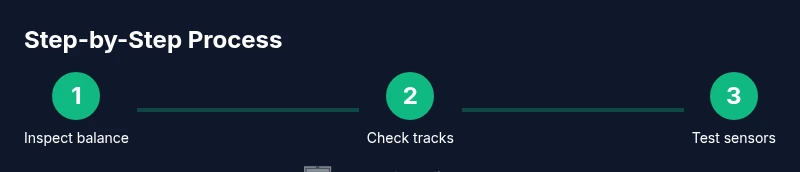
With the right safety steps, you can diagnose and fix many issues on a 16 garage door yourself. Start by powering down the opener, inspecting tracks and balance, and applying lubrication to moving parts. Test the door's movement at different heights. If you encounter spring work, frame damage, or persistent binding, stop and call a professional for safety.
What makes a 16 garage door unique and safe
A 16 garage door refers to a taller, wider panel setup that influences how the door tracks, balances, and interacts with the opener. According to GarageDoorAdjust, these doors often require careful balance and precise track alignment to prevent uneven closing, excess wear on the springs, and potential safety hazards. Before you begin any DIY work, ensure you have a sturdy ladder, ample workspace, and the area cleared of pets and children. The goal is a door that moves smoothly, stops evenly on both sides, and resists binding or jerky movements. With proper setup and patient testing, many routine maintenance tasks can be completed without specialized contractors, but never push past your comfort zone—especially with heavy doors.
Throughout the process, keep the 16 garage door in mind as a system: tracks, rollers, springs, cables, and the opener all interact. Small changes in one component can affect the rest. GarageDoorAdjust emphasizes documenting what you adjust and testing incrementally to avoid overcorrection.
Safety first: space, power, and PPE
Safety is non-negotiable when working on a 16 garage door. Disconnect power to the opener at the wall switch and unplug the unit if it’s a rechargeable system. Wear ANSI Z87.1-rated safety glasses and sturdy gloves; keep loose clothing away from moving parts. Clear the floor to prevent trips, and use a stable ladder rated for your weight and reach. If you must work above the door, secure the door with C-clamps or locking pliers to prevent sudden movement. Always test the door with the opener off before engaging the power again. As the GarageDoorAdjust Team notes, staying mindful of pinch points and potential fall hazards reduces the risk of injury dramatically.
Common symptoms and quick tests
A 16 garage door can exhibit a range of symptoms, from slow or jerky movement to uneven closing and unusual noises. If the door drags on one side, binds at mid-travel, or requires extra effort to lift manually, balance and track alignment are common culprits. Perform a 6-foot balance test: with the door closed, disconnect the opener, and lift the door halfway. If it stays in place without effort, balance is good. If it drops or rises, springs or cables may be off. Listen for grinding or squealing—these noises often indicate worn rollers, dirty tracks, or dry bearings. By keeping notes on when problems occur (opening vs. closing, speed, or noise), you’ll narrow down the likely causes and plan targeted fixes.
Tracks, rollers, and alignment: checking for smooth operation
Tracks must be straight and securely fastened. Visually inspect for dents, bends, or gaps between track sections. Use a level to verify vertical alignment; misaligned tracks cause binding and stress on the opener. Rollers should rotate freely without wobble; a missing or cracked wheel is a red flag. When adjusting, loosen mounting screws slightly, then re-tighten once alignment is correct. Do not force the door through bindings—pause and reassess. Regularly cleaning tracks and applying light lubrication to rollers can dramatically improve smooth operation and reduce wear on the opener.
Springs and cables: cautions and when to seek help
Springs and cables bear the door’s weight and are under high tension. Do not attempt torsion spring adjustments unless you are trained and equipped with the proper tools. A slip, mis-tension, or unwind can cause severe injury. If you hear loud pops, see gaps near the door edges, or notice the door drifting down slowly, stop immediately and contact a licensed technician. For homeowners, routine inspection of visible cables and anchors is acceptable, but actual tension changes should be left to pros. The GarageDoorAdjust Team emphasizes safety first when springs or cables show wear.
Lubrication and routine maintenance
Lubricate moving parts every 6–12 months, focusing on hinge pins, rollers (if non-plastic), and rail joints. Use a silicone-based lubricant or light white lithium grease—avoid pouring oils into bearings. Wipe off excess lubricant to prevent dust attraction. Clean the tracks with a dry cloth to remove dust and debris. Regular maintenance reduces strain on the motor and extends the life of springs and cables. Keep a simple log of dates and tasks to maintain a predictable schedule and prevent overlooked maintenance tasks.
Opener programming, sensors, and safety reversing
Modern openers include safety sensors that reverse the door if an obstruction is detected. If the door won’t reverse on contact or if sensors misalign, recheck the sensor brackets and alignment, then recalibrate using the opener’s instructions. Ensure remote pairing is up to date and test the auto-reverse mechanism by placing an object under the door’s path. If the opener light blinks or won’t respond to remotes after programming, consult the manufacturer’s manual. These checks prevent injuries and ensure the door operates safely.
When to repair vs replace on a 16 garage door
Roofline, panel integrity, and spring health influence whether repair or replacement is appropriate. If panels are cracked, the door’s weight distribution is inconsistent, or spring life is severely diminished, replacement may be the safer and more cost-effective choice in the long run. Compare the cost of parts and labor against the price of a new door and a supportive opener system. The GarageDoorAdjust team recommends conservative repairs when the door shows consistent performance after adjustments, but a major failure or frequent new issues indicate a replacement may be wiser.
This approach minimizes downtime and improves overall safety.
Quick-start troubleshooting checklist
- Power down the opener and secure the door manually to inspect balance.
- Inspect tracks for dents and misalignment; ensure vertical alignment with a level.
- Check rollers and bearings; clean and lubricate as needed.
- Test safety sensors and auto-reverse with a small obstacle.
- If you encounter spring issues or significant structural damage, pause and call a pro for safety.
This concise guide helps you identify the most common issues quickly and plan next steps with confidence.
Authority sources
- U.S. Consumer Product Safety Commission (CPSC): Garage door safety and pinch-point guidance. https://www.cpsc.gov
- U.S. Department of Energy: Home insulation and energy efficiency considerations relevant to garage doors. https://www.energy.gov
- National Institute of Standards and Technology (NIST): Standards and safety references for mechanical systems and maintenance practices. https://www.nist.gov
Tools & Materials
- Safety glasses (ANSI Z87.1)(Eye protection required during all steps.)
- Work gloves(Leather or reinforced gloves for grip and protection.)
- Stepladder(Stable, rated for your weight; set on a solid surface.)
- Screwdrivers (Phillips & flat-head)(Used for track brackets and hinge screws.)
- Cordless drill/driver(Have extra bits; avoid over-tightening.)
- Wrench set(Adjust nuts on track mounts and springs (if applicable).)
- Lubricant (silicone spray or light white lithium grease)(Avoid heavy oils near rollers.)
- Clean rags or microfiber cloth(Wipe away dust before lubrication.)
- Level and tape measure(Check track alignment and door balance.)
Steps
Estimated time: 60-90 minutes
- 1
Prepare workspace and safety gear
Clear the area, wear PPE, and power down the opener. Use a stable ladder to access components and ensure the door is fully closed and clamped if needed. This first step minimizes the risk of sudden door movement while you work.
Tip: Double-check that the door is secured before starting any hands-on work. - 2
Test balance manually
With the opener disconnected, lift the door halfway and hold—if it stays put, balance is good. If it drifts up or down, there may be tension or track issues. Do not force the door to move while testing.
Tip: Take notes on how long it holds position to track improvements after adjustments. - 3
Inspect tracks and alignment
Visually inspect for dents or bends; use a level to confirm vertical alignment. Tighten loose brackets, and ensure the track runs parallel on both sides. Misalignment can cause binding and wear on rollers.
Tip: When tightening track brackets, go gradually and re-check alignment frequently. - 4
Check rollers and bearings
Rotate rollers by hand to detect stiffness or wobble; replace cracked or severely worn rollers. Clean and lightly lubricate non-polymer bearings if the manufacturer permits.
Tip: Do not force rollers; if a roller is stiff, replace it rather than forcing movement. - 5
Evaluate springs and cables
Do not attempt to adjust torsion springs unless you’re trained. Visually inspect for fraying cables and loose anchors. If signs of wear exist, call a pro immediately.
Tip: Spring adjustments require specialized tools and training; safety first. - 6
Lubricate moving parts
Lubricate hinges, rollers (if not a sealed plastic type), and track joints with a light lubricant. Wipe away excess to prevent dust buildup.
Tip: Lubricate only moving parts; avoid the motor or belts unless the manufacturer approves. - 7
Test sensors and auto-reverse
With the door partially open, trigger the sensor beams and ensure the door reverses on contact. Disable the opener, recheck sensor alignment, then re-enable and test with a small object under the door.
Tip: If the door does not reverse, stop and consult the opener’s manual or a pro. - 8
Final test and maintenance log
Reconnect power, run the door through several cycles, and verify smooth operation. Document what you did and schedule the next maintenance check in 6–12 months.
Tip: Keep a simple maintenance log to prevent forgetting essential tasks.
Got Questions?
Can I replace a torsion spring myself
Torsion springs are under high tension and require specialized tools and training. Replacing them yourself can cause severe injury. Hire a licensed technician for spring work.
Torsion springs are dangerous and should be handled by a pro. Don’t DIY spring replacements.
How often should I lubricate tracks and rollers?
Lubricate tracks, hinges, and rollers at least once a year or after heavy use. Use a silicone-based spray and wipe off any excess.
Lubricate yearly and after heavy use to keep the door running smoothly.
What is a good balance test for a 16 garage door?
Perform a half-open balance test by lifting the door halfway manually with the opener disconnected. If it stays put, balance is good; if it moves, inspect tracks or consider pro service.
Half-open balance test checks if the door stays put when lifted halfway.
Do I need to program a new opener when replacing panels?
Not always, but many modern openers support updated safety features. If your opener is older, you may need to reprogram or upgrade your system.
If you replace major components, reprogram your opener for safety features.
Is a 16 garage door heavier than a standard door?
A 16 garage door typically weighs more than standard doors due to larger panel area. Handling and installation should consider the additional weight.
A larger door is heavier; plan for extra support during work.
Watch Video
Quick Summary
- Balance and track alignment are foundational to safe operation.
- Do not attempt torsion spring adjustments yourself.
- Regular lubrication reduces wear and extends life.
- Know when to call a professional for safety and liability.