Rollup Garage Door Insulation: Step-by-Step Guide
A practical, homeowner-friendly guide to insulating rollup garage doors for improved energy efficiency and comfort, with tools, steps, and maintenance tips.


By following this guide, you will insulate a rollup garage door using common materials and a safe, straightforward process. You’ll measure accurately, select the right insulation, cut to fit, install without hindering door operation, seal the edges, and test the door for smooth movement. The result is reduced heat loss, quieter operation, and a more comfortable garage.
Why insulation matters for rollup garage doors
According to GarageDoorAdjust, insulating a rollup garage door can dramatically reduce heat loss, improve comfort, and lower energy bills in uninsulated spaces. Roll-up doors are typically thick steel or aluminum panels with limited existing insulation. Adding a suitable insulation layer reduces air leakage, slows heat transfer, and dampens sound. This guide focuses on practical, homeowner-friendly approaches to insulate a rollup door without compromising operation, safety, or the door's balance. We’ll cover door types, material options, and a workflow that respects the mechanics of the track and spring system. A well-insulated door also helps mitigate drafts around the garage seal and can reduce noise from metal-on-metal contact when the door moves. To get the best results, start with a plan that matches your door’s size, climate, and usage patterns.
Choosing the Right Insulation for Roll-Up Doors
Roll-up garage doors come in various core constructions—steel, aluminum, or composite panels. The insulation you choose should balance rigidity, thickness, and cost while staying compatible with the door’s movement and track clearance. Common options include foam-backed blankets, foam board cuts, and reflective foil blankets. Foam-backed blankets (or batt with foil) offer good R-values per inch and are relatively quick to install on flat, panelized surfaces. Foam boards provide excellent thermal resistance but require careful cutting to fit curved sections. Reflective foil reduces radiant heat transfer and can be useful in hot climates but may not provide as much bulk insulation as foam. Always confirm that any adhesive or tape you use adheres to metal surfaces and won’t degrade with temperature changes. Plan for a finish that won’t rub against tracks or the top weather seal.
Preparation and Safety Considerations
Before you begin, unplug the garage door opener (or switch off the power at the breaker) to prevent accidental movement while you work. Wear safety glasses, cut-resistant gloves, and long sleeves to protect against sharp edges and fiberglass materials if you choose batt insulation. Inspect the door for rust, loose hardware, and alignment issues. Any misadjustments should be corrected before adding insulation, as thick layers can interfere with spring tension or track clearance. Work in a well-lit area and have a helper on hand to hold insulation pieces while you position them. If your door has glass panels, avoid placing heavy insulation directly over or around those sections to prevent breakage. Gather all materials and measure the door segments to minimize waste and ensure a snug fit.
Measuring and Planning the Fit
Accurate measurements save time and reduce waste. Start by measuring the width of each panel and the height of the door sections, noting any irregularities in the frame or track. If your door has vertical tracks, you’ll need to account for slight curvature near the sides. Create a simple cut list that matches each panel’s dimension, leaving a small gap for adhesives or fasteners. Consider climate factors: thicker insulation is beneficial in cold climates, but you must ensure there’s still ample clearance to operate the door. Plan your mounting method (adhesive, tape, or lightweight fasteners) based on the door’s material and your insulation choice. A dry run, placing cut pieces next to the door, helps verify fit before you commit to adhesive.
Step-by-Step Installation Overview
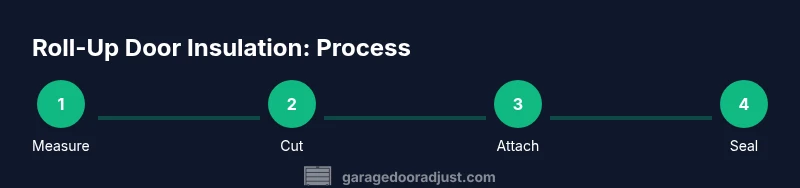
This section provides an overview of the installation flow. You’ll prepare the surface, cut insulation to size, affix the insulation to each panel or door section, seal seams with weatherstripping or tape, and finally test door operation to confirm there are no binding points. Avoid stacking multiple layers in areas where the door travels through tight clearances. Remember to check that the top roller and bottom tracks maintain full travel distance after installation. The goal is to create a continuous thermal barrier without impeding movement or safety features. A careful approach minimizes rework and ensures a clean finish.
Sealing Edges and Finishing Touches
After mounting insulation, seal all exposed edges with weatherstripping or high-quality tape to block drafts. Pay attention to edges near the top seal and along the jambs, as drafts often enter through small gaps. If you used batt insulation, consider adding a thin, rigid cover or trim piece to protect the material from friction with the tracks. Avoid creating bulges that could catch on hardware during operation. A neat finish improves aesthetics and helps maintain the door’s form over time. Finally, wipe down any adhesive residue and store excess materials for future maintenance.
Testing, Adjustments, and Long-Term Care
With insulation in place, re-connect power to the opener and test the door’s travel from both inside and outside. Listen for rubbing or binding, and watch for uneven gaps along the seal. If movement is sticky at the top or bottom of travel, you may need to trim a little more insulation or adjust the track alignment. Over time, inspect the insulation for wear, moisture, and displacement. Replace damaged pieces promptly to maintain efficiency. Regular maintenance of weatherstripping and seals remains essential, as these elements work in tandem with insulation to reduce drafts and heat loss.
Tools & Materials
- Measuring tape(Locking tape measure; measure height and width of each panel)
- Utility knife or shears(Sharp blade for clean cuts; replace blades as needed)
- Insulation material (foam blankets, foam board, or foil-faced batt)(Choose thickness to suit climate and track clearance)
- Double-sided carpet/furniture tape or contact adhesive (suitable for metal)(Test on a small area first to ensure no corrosion)
- Weatherstripping or edge seal tape(Seal edges after insulation is mounted)
- Safety gear (gloves, safety glasses, long sleeves)(Protect skin from fiberglass if used; PPE is essential)
- Marker or chalk(Mark cut lines on insulation pieces)
- Step ladder or stable support(Access the top sections safely)
Steps
Estimated time: 60-90 minutes
- 1
Measure the door and plan material
Carefully measure the width and height of each panel and note any irregularities in frame or tracks. Create a cut list so you can pre-cut pieces to fit each section with a small clearance for adhesives.
Tip: Double-check measurements against each panel to avoid miscuts and waste. - 2
Choose insulation type and thickness
Select insulation material that fits your climate and door design. Foam blankets offer good bulk insulation; foam board is rigid and precise but requires careful cutting on curves.
Tip: Limit thickness to maintain track clearance and avoid binding during operation. - 3
Prepare the door surface
Wipe down the door surface to remove dust, oil, and moisture. Dry thoroughly before applying adhesive to ensure a strong bond.
Tip: Dry any moisture first; adhesives won’t stick well to damp surfaces. - 4
Cut insulation to size
Cut each insulation piece according to your cut list, adding a small margin for error. Dry-fit pieces to verify fit before applying adhesive.
Tip: Use a straight edge and score lightly to avoid crumbly cuts on foam boards. - 5
Attach insulation to panels
Apply adhesive or double-sided tape to the insulation, then press firmly onto the door panel. Work panel-by-panel to keep alignment.
Tip: Start at the center and work outwards to reduce air gaps. - 6
Seal edges and seams
Run weatherstripping or tape along all exposed edges to block drafts. Ensure seams are flush and not creating bulges near tracks.
Tip: Replace damaged weatherstripping during this step to maximize efficiency. - 7
Trim and finish
Trim excess insulation at panel edges and install any protective trim if used. Clean up adhesive residue and store extra materials for maintenance.
Tip: A neat finish reduces wear from door movement and looks better visually. - 8
Test door operation
Reconnect the opener, cycle the door, and check for smooth travel without rubbing against insulation. Make small adjustments as needed.
Tip: If binding occurs, re-check track alignment before removing insulation.
Got Questions?
Is insulation recommended for all rollup garage doors?
Insulation is generally beneficial for attached or uninsulated garages, especially in extreme climates. It improves comfort and reduces heat transfer, but you must ensure it does not interfere with door movement or safety features.
Yes, insulation is usually a good idea for attached or uninsulated garages, but check that it won’t interfere with the door’s movement.
What insulation material is best for rollup doors?
Foam-backed blankets or thin foam boards are common choices, offering good thermal resistance while keeping weight manageable. The best option depends on door type, climate, and how much clearance you have.
Foam-backed blankets or thin foam boards are common choices, chosen for good insulation without adding too much weight.
Will insulation affect the door balance or opener?
If insulation is too thick or improperly mounted, it can affect balance and track clearance. Always verify door travel after installation and avoid blocks that contact moving parts.
Too thick insulation can affect balance, so test movement after installing and avoid blocking any moving parts.
Do I need to hire a pro to insulate a rollup door?
Many homeowners can handle insulated rollup doors as a DIY project with proper planning and safety precautions. If your door is large or has specialized hardware, professional assessment is wise.
Most DIYers can insulation their rollup door, but consider a pro for complex doors or if you’re unsure.
How do I maintain insulation over time?
Regularly inspect for moisture, tearing, or displacement. Re-seal edges as needed and store extra material for quick repairs. Keep weatherstripping in good condition.
Inspect for moisture and wear, re-seal as needed, and keep weatherstripping in good shape.
Can insulation improve sound dampening in a garage?
Yes, adding insulation can significantly reduce noise from door movement and airborne sounds, especially on steel doors with hard panels.
Insulation helps dampen sounds from the door moving, especially on metal doors.
Watch Video
Quick Summary
- Measure carefully before cutting, to minimize waste.
- Choose insulation that fits track clearance to avoid binding.
- Seal edges well to maximize energy savings.
- Test door operation after installation and adjust as needed.