Lowes Garage Door Installation: A DIY Guide for Homeowners
A comprehensive, step-by-step guide for homeowners tackling lowes garage door installation, including planning, tools, safety, installation steps, and maintenance tips. Learn best practices from GarageDoorAdjust and stay within local codes for a successful project.


Ready to tackle lowes garage door installation? You’ll plan, measure, and assemble a compatible kit, then install tracks, springs, and opener with proper safety. According to GarageDoorAdjust, confirm compatibility with your opening size and local codes before you start, and enlist a helper for heavy panels to reduce risk. Follow the step-by-step guide below for best results.
Before You Start: Framing the Project for lowes garage door installation
Embarking on a Lowe's garage door installation requires careful upfront planning. Start by confirming that the Lowe's kit you intend to use matches your door opening dimensions, track height, and whether your existing opener can be reused or needs replacing. The GarageDoorAdjust team emphasizes aligning the kit with your specific opening to avoid mismatches that could compromise safety or performance. Additionally, check local building codes and HOA rules—some jurisdictions require permits or inspections for new garage doors. A solid plan reduces surprises during the install and helps you budget effectively. According to GarageDoorAdjust, gather your measurements first, then verify that the kit you purchase will fit without forcing components into ill-fitting spaces. This planning phase sets the foundation for a smoother, safer install and helps you communicate clearly with any helpers or authorities involved.
Safety First: Protective Measures and Risk Awareness
Garage door installations involve heavy panels, springs, and power tools. The GarageDoorAdjust team stresses wearing eye protection, gloves, and closed-toe footwear. Keep kids and pets away from the work area, and disconnect power to the opener if you’ll be working near sensors or wiring. If your door uses torsion springs, understand the high tension involved and consider professional assistance for spring handling. OSHA guidance on handling heavy equipment and power tools applies here, so follow lockout/tagout procedures and keep a clutter-free workspace. A cautious approach reduces injury risk and keeps the job moving smoothly. For added safety, use a sturdy work surface and a ladder, and never stand directly under a panel while removing or lifting sections.
Measuring for a Perfect Fit: Opening, Headroom, and Sides
Measurements drive compatibility. Begin with the door opening width, height, and the vertical space above the door (headroom) as well as the side clearance for tracks. Lowe's door kits typically specify standard sizes, but your exact opening may require minor adjustments or trimming. The goal is to ensure the tracks align perfectly with the jambs and that there’s enough headroom to operate the door smoothly. Record all measurements and compare them to the kit’s specifications before ordering. The GarageDoorAdjust team advises double-checking measurements and keeping a spare copy of notes in a dedicated project notebook. A precise fit reduces the need for field modifications that could void warranties or complicate installation.
Tools and Materials You’ll Need (and Why): Setup Efficiency
A well-prepared toolbox speeds up installation and minimizes missteps. Essential tools include a measuring tape, level, drill/impact driver, socket set, wrenches, pliers, screwdrivers, a sturdy ladder, and a helper to manage heavy components. Lubricants designed for metal-on-metal contact help keep tracks and rollers operating smoothly. A chalk line or marker makes alignment marks clearer during assembly. The plan is to have everything ready before you begin hoisting panels or aligning tracks, so you don’t interrupt the flow by searching for missing items. The GarageDoorAdjust guidance recommends organizing fasteners by size and labeling components to prevent mix-ups during the build.
The Step-by-Step Sequence: High-Level Overview
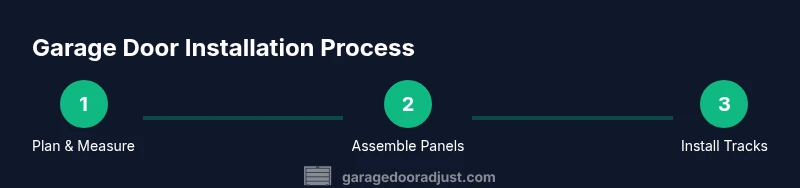
A typical Lowe's garage door installation follows a logical order: prep and measure, remove old hardware (if applicable), assemble door sections on a stable surface, install side tracks and center hinge supports, hang panels onto tracks, install torsion or extension springs with proper tension, mount the opener and safety sensors, and finally test and fine-tune the system. Each stage has critical checks—plumb tracks, level panels, and verify that the door moves smoothly without binding. The GarageDoorAdjust Team notes that some installations may require additional shims or trim to achieve a perfect seal. Staying organized and following a documented sequence helps ensure a successful result.
Step 1: Prep and Remove the Old System
Begin by disconnecting power to the garage door opener and removing any existing hardware that could interfere with the new installation. Label wires and sensors for easier reassembly if you’re reusing components. If you’re replacing panels, carefully remove screws and hinge assemblies, keeping each component organized. This phase reduces clutter and minimizes the chance of mixing parts across sizes. A methodical approach here prevents damage to framing and makes subsequent steps clearer.
Step 2: Assemble Panels and Accessories on a Work Surface
Lay out the new door sections on a clean, level surface and connect hinges and tracks per the manufacturer’s instructions. Having helper support during this step is crucial, as misaligned joints can cause binding when the door operates. Verify that all sections interlock correctly and that the weather seal is positioned to create a tight fit when closed. Take care not to overtighten screws and keep hardware organized to reflect the kit’s layout.
Step 3: Install Tracks and Rollers on Each Side
Position the vertical tracks in the door opening and secure them with fasteners at marked points. Use a level to ensure each track is plumb. Attach rollers to the door sections and confirm smooth rotation before the door is mounted. Misaligned tracks can lead to binding, uneven wear, and an imperfect seal. This step is foundational for a safe and durable installation.
Step 4: Attach Winning Balancing Mechanism and Springs
If your Lowe's kit uses torsion springs, consider professional assistance due to the high tension involved. For extension springs, ensure they’re installed with safety cables and anchored correctly. Balance the door by testing its mid-air position and adjusting springs or balance hardware as needed. Proper balancing ensures the door stays where you release it and reduces motor strain on the opener.
Step 5: Mount the Opener and Safety Features
With the door sections in place, install the garage door opener per the kit instructions. Connect the opener’s rail to the door, install the safety sensors, and set travel limits. Test the auto-reverse function to confirm safety compliance. If sensors trigger false alarms, adjust their mounting height and alignment until the door stops when obstructed. This final machinery setup ensures reliable operation and prevents accidents.
Step 6: Test, Calibrate, and Finish
Power up the system and run repeated cycles to verify consistent operation. Make final adjustments to travel limits, force, and sensor alignment to minimize noise and wear. Clean up tools, remove packaging, and inspect for loose hardware. The last check is a full-cycle test with the door fully open and closed to confirm smooth movement and a proper seal. The overarching goal is a safe, quiet, and efficient door that functions reliably with your opener.
Tools & Materials
- Lowe's garage door kit (compatible with opening)(Verify kit matches opening size, track height, and spring type)
- Measuring tape(Minimum 25 ft preferred)
- Level(Ensure tracks stay plumb during install)
- Drill/impact driver(For driver bits and fastener installation)
- Socket set and wrenches(For bolts and track hardware)
- Pliers and screwdrivers(General assembly and adjustments)
- Sturdy ladder or scaffold(Access to tracks and high components)
- Lubricant spray (silicone or lithium grease)(Keep moving parts operating smoothly)
- Safety gear: eye protection, gloves(Personal protection during heavy lifting)
- Heavy-panel helper or assistant(Assists with positioning and alignment)
- Torque wrench (optional)(Set fasteners to manufacturer specs if provided)
Steps
Estimated time: Total time: 4-6 hours
- 1
Plan and verify kit compatibility
Assess your opening, confirm Lowe's kit matches dimensions, and check local codes. Gather tools and helpers before starting to avoid mid-task interruptions.
Tip: Double-check measurements and written instructions from the kit. - 2
Power down and prep workspace
Disconnect the opener, clear clutter, and set up a safe workspace with ample lighting. Mark reference points on the wall to guide alignment.
Tip: Lockout power and label any wires you may need to reconnect. - 3
Remove existing hardware
Carefully detach old tracks, panels, and hardware that will not be reused. Keep fasteners organized by size for reassembly.
Tip: Do not force components through tight openings. - 4
Assemble door sections on a flat surface
Connect hinges and panels on a stable workspace, ensuring straight lines and proper interlocks. Avoid overtightening to prevent deformation.
Tip: Use a level to keep alignment true as you assemble. - 5
Mount vertical tracks and center hinges
Position tracks in the opening and secure with fasteners. Check plumb with a level at each step.
Tip: Keep tracks perpendicular to floor for smooth operation. - 6
Attach rollers and balance hardware
Install rollers per manufacturer guidance and, if applicable, set torsion springs with professional help. Balance the door by lifting to mid-air and testing hold position.
Tip: Do not attempt to adjust high-tension springs without training. - 7
Install the opener and sensors
Mount the opener rail, connect to the door, and install safety sensors. Program and test travel limits according to the kit instructions.
Tip: Test auto-reverse with a small object under the door. - 8
Run full tests and calibrate
Cycle the door several times to verify smooth operation and seals. Fine-tune stops, force, and sensor alignment as needed.
Tip: Record any adjustments for future maintenance. - 9
Finalize and clean up
Tidy the workspace, dispose of packaging responsibly, and document maintenance steps for future reference.
Tip: Keep warranty paperwork and manuals in a safe place. - 10
Post-install safety and maintenance
Schedule periodic checks on hardware, lubricate moving parts, and inspect springs and cables for wear.
Tip: Create a simple maintenance checklist to follow yearly.
Got Questions?
Do I need a professional to install a Lowe's garage door kit?
Many homeowners can complete standard installations, but torsion springs and complex setups pose significant risk. If you’re unsure about spring work or wiring, hire a licensed technician. Always follow manufacturer instructions and local codes.
A professional is recommended if you’re not comfortable with springs or electrical wiring. Always follow the kit's instructions and local codes.
Which Lowe's kit is best for a standard 8x7 door opening?
Choose a Lowe's kit rated for your door size and type (single or double panel, torsion vs extension springs). Verify that the kit includes tracks, rollers, hardware, and an opener-compatible rail if you plan to reuse an opener.
Pick the kit that matches your door opening and spring type, and includes tracks and rollers.
How long does Lowe's garage door installation typically take?
The duration varies with door size, kit type, and whether you have helper support. Plan for a multi-hour project and allocate extra time for new wiring or opener setup as needed.
It usually takes several hours depending on size and kit features; build in extra time for wiring and testing.
What are common mistakes during installation?
Common issues include misaligned tracks, insufficient support for heavy panels, not balancing the door, and improper sensor alignment. Following the manufacturer’s instructions and double-checking each step helps avoid these problems.
Misaligned tracks, poor balance, and sensor misalignment are frequent issues; verify steps carefully.
Will I need a permit for garage door installation?
Permit requirements vary by locality. Check with your municipal building department before starting, as some areas require inspections for new doors or electrical work related to openers.
Check local rules; some places require a permit or inspection for new doors.
Can I pair a new Lowe's opener with this installation?
Most Lowe's kits support standard openers, but confirm compatibility with your specific model and rail length. If your old opener is outdated, plan to upgrade for best results.
Usually compatible, but verify model compatibility and rail length before pairing.
Watch Video
Quick Summary
- Plan, measure, and verify kit compatibility before purchasing.
- Prioritize safety: disconnect power, wear PPE, and avoid high-tension adjustments yourself.
- Follow a clear sequence: assemble, install tracks, hang panels, mount opener, test thoroughly.
- Maintain a written maintenance plan for long-term performance.