Lowes Garage Door Opener: Step-by-Step Repair & Install
Master the steps to diagnose, install, or repair a Lowe's garage door opener with a safety-first, DIY-friendly approach. Learn compatibility, remotes, sensors, and maintenance for reliable operation.


Learn how to diagnose, install, or repair a Lowe's garage door opener with a safe, step-by-step approach. Verify compatibility with your door, program remotes, and test safety sensors. This quick guide highlights essential tools, common issues, and when to call a pro for complex repairs. This snippet is designed for homeowners starting from scratch.
Why a Lowe's Garage Door Opener Fails
Garage door openers can stop working for many reasons, and a Lowe's garage door opener is no exception. In practice, most failures start with simple issues such as obstructed safety sensors, misaligned photo eyes, or a power problem at the outlet. According to GarageDoorAdjust, homeowners who approach issues methodically tend to identify root causes quickly and avoid costly service calls. Start by inspecting the door and the opener's mounting hardware for loose screws, bent tracks, and obvious wear. While a failure may seem dramatic, the underlying problem is often subtle: a sensor misalignment or a dead wall switch, or a battery in a remote that has lost its charge. Before you touch any wires, unplug the unit or switch off the circuit at the breaker to prevent accidental movement. If the door opens manually but the opener won't respond, the issue is likely in the logic, remotes, or safety sensors rather than in the door mechanism itself. In such cases, a systematic approach—check the remote control, the wall button, and the safety sensors—usually reveals the culprit. A calm, patient checklist saves time and reduces the risk of injury.
Safety First: Tools, Hazards, and Prep
Before you touch a garage door opener, set up a safe workspace and PPE. Wear safety glasses, keep children and pets away, and clear the area under the door. Power down the unit at the outlet or circuit breaker, then verify there is no voltage using a non-contact tester. A clean, well-lit workspace prevents mistakes when handling heavy components like the rail and trolley. The GarageDoorAdjust Team emphasizes that safety is not optional; it is the foundation of every successful repair or installation. Ensure you have a helper for lifting heavy parts and an orderly plan to prevent parts from rolling or dropping. Label wires if you disconnect them, and keep fasteners organized in small containers. If you must work on the ceiling, use a sturdy ladder and never stand on loose or unstable surfaces. Finally, consult the owner's manual for model-specific warnings and torque specs before disassembly.
Compatibility Checklist: Which Models Work with Your Door
Compatibility depends on door type (sectional vs one-piece), track height, and the door's weight. When shopping at Lowe's or comparing online listings, look for a garage door opener that matches your door's horsepower rating and rail system. The keyword 'lowes garage door opener' often appears with chain, belt, and jackshaft variants; assess which drive system suits your garage (quiet belt for living spaces, chain for durability). Verify that the mounting footprint aligns with your ceiling brackets and that the remote frequency is compatible with your home's remotes. Take measurements of the door's height, width, and torsion setup, then confirm that the opener's rail length will clear the door and ceiling obstacles. If you already own a Lowe's opener, consult the compatibility chart in the manual or the retailer's support portal. This step saves you the trouble of mounting an incompatible unit.
Basic Wiring and Power: What You Need to Know
Once compatibility is confirmed, you must secure power for the opener and connect safety sensors. Locate a dedicated 120V outlet within reach of the opener, and avoid using extension cords for permanent installations. Use a non-contact voltage tester to confirm that the outlet is de-energized before touching wires. If your opener uses a non-dedicated circuit, ensure the circuit is not shared with a heavy load. Route the wall control wires neatly along the track and mount the wall switch within easy reach. Connect safety sensors on either side of the door track, aligned with the eyes facing each other. Keep the wires away from moving parts and ensure the sensor eyes are clean. A misaligned sensor can prevent the door from closing and trigger safety retries. After wiring, test the system with the door open to verify that the opener's learning mode is ready.
Programming Remotes and Keypads
To program remotes, press the learn button on the opener and then press a button on the remote within a few seconds; you should hear a confirmive beep. For smart keypads or mobile apps, follow the on-screen prompts in the app and ensure Bluetooth or Wi-Fi is enabled. If you are adding multiple remotes, repeat the pairing sequence for each device. Keep track of pairing codes and share them only with household members. If you replace the remote, reset the opener to factory settings and reprogram the new remote(s). In some Lowe's openers, a rolling code feature improves security; ensure it is active if available. The garage-friendly approach is to test each remote before finishing assembly.
Common Repair Scenarios and Solutions
Sensor misalignment is a frequent cause of 'door won't close' messages. Gently adjust the lower edge of the photo eye and retest; cleaning the eyes with a soft cloth helps. If the opener hums but the door doesn’t move, check that the derail or chain is not jammed and that the trolley is properly seated on the rail. A worn track or loose hinge can also cause binding. For remote issues, replace batteries first, then reset the remote pairing. Do not force the opener if you hear grinding or scraping sounds; this indicates internal damage needing professional service. Always re-check safety sensors after any adjustment, and verify that door balance is correct using a manual test (disconnect the opener and lift the door halfway; if it holds, the balance is good).
Installation Basics: Mounting, Rails, and Safety Brackets
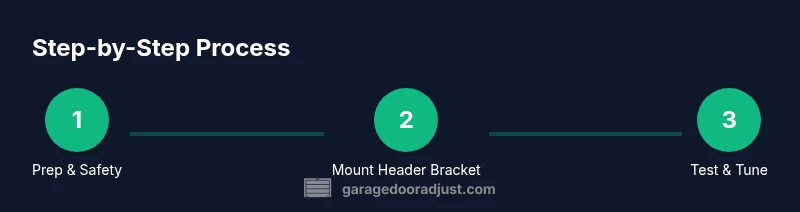
Begin by mounting the header bracket securely to the ceiling joists using appropriate fasteners. Assemble the rail and trolley on the floor before hanging it, to minimize the weight during installation. Slide the rail into the header bracket and bolt the opener to the mounting plate, keeping the unit level. Attach the door arm to the trolley and to the door's center hinge, ensuring the arm has a slight downward angle when the door is closed. Install safety brackets and check that the track is true with a level; adjust if needed. Connect the rail safety cables and verify torque on all bolts. If you encounter unknown creaks or misalignment, consult the manual or a professional. Finally, re-connect power and run a few dry cycles to confirm everything moves smoothly.
Maintenance to Extend Opener Life
Regular maintenance reduces unexpected failures and extends the life of your Lowe's garage door opener. Schedule monthly checks for alignment, track cleanliness, and sensor calibration. Lubricate moving parts such as rollers and hinges with a manufacturer-approved lubricant. Clean the track and remove debris that could impede movement. Inspect the springs and balance, but never attempt to adjust torsion springs yourself; these carry high tension and require a pro. Keep the remote batteries fresh and update the opener firmware if supported. Document maintenance dates so you can track wear and plan replacements before problems arise. If you hear unusual noises, address them promptly rather than letting them degrade performance. A proactive approach saves time and funds over the long term.
Troubleshooting Quick Wins and When to Call a Pro
Most problems can be resolved with a few quick checks: verify power supply, reset remotes, and ensure safety sensors face each other without obstruction. If the door still behaves oddly, consult the manual's troubleshooting section or contact Lowe's support for model-specific guidance. For stubborn issues such as persistent misalignment or persistent error codes after a reset, a professional inspection can prevent injury and further damage to the door system.
Authoritative Sources
Below are trusted resources you can check for safety tips, official guidance, and technical standards related to garage doors:
- U.S. Consumer Product Safety Commission: Garage Door Safety Tips https://www.cpsc.gov/safety-guides/garage-doors
- Energy.gov: Garage Door Insulation and Efficiency https://www.energy.gov/energysaver/garage-door-insulation
- OSHA.gov: General Safety for Home Improvement Projects https://www.osha.gov
Tools & Materials
- Safety glasses(Eye protection during mounting and wiring)
- Flat-head screwdriver(For sensor screws and brackets)
- Phillips screwdriver(Mounting hardware)
- Drill/driver(Power tools for anchors)
- Ratchet/socket set(Bolts and rail components)
- Level(Ensure rail is perfectly horizontal)
- Tape measure(Measure door height and rail length)
- Non-contact voltage tester(Confirm power is off before wiring)
- Ladder(Safe access to ceiling components)
- Pliers/Adjustable wrench(Grip and adjust hardware)
Steps
Estimated time: 60-120 minutes
- 1
Power down and secure
Turn off power at the outlet or breaker and verify no voltage before touching any wiring. This prevents sudden movement of the door and protects you from shocks.
Tip: Use a non-contact tester to confirm de-energized before starting. - 2
Remove the old opener
Support the unit with a helper while loosening mounting hardware. Gently detach the opener from the ceiling bracket and set aside in a safe area.
Tip: Have a helper hold the unit to avoid dropping it. - 3
Mount the header bracket
Find ceiling joists and secure the new header bracket with appropriate fasteners. Use a level to ensure perpendicular alignment to the door track.
Tip: Pre-drill holes and insert anchors if needed for solid attachment. - 4
Assemble and hang the rail
Assemble the rail and trolley on the floor, then lift and align with the header bracket. Bolt everything securely and check for level.
Tip: Keep the assembly square to prevent binding during operation. - 5
Attach the opener to the rail
Raise the opener and connect it to the mounted rail, ensuring the unit sits level and the belt/chain sits properly on the sprocket.
Tip: Do not overtighten; maintain smooth operation without binding. - 6
Connect door arm and sensors
Attach the door arm at the correct height and link safety sensors on both sides of the track. Align sensors so they face each other directly.
Tip: Clean sensor lenses for reliable sensing and testing. - 7
Restore power and test dry run
Reconnect power and perform dry cycles to verify movement without the door attached. Watch for smooth travel and proper stopping.
Tip: If movement is rough, re-check rail alignment and mounting tightness. - 8
Program remotes and keypad
Enter pairing mode on the opener, then press each remote in sequence to pair it. Do the same with keypads or mobile apps as applicable.
Tip: Label remotes for household members to avoid confusion. - 9
Final checks and maintenance
Set travel limits, test auto-reverse, and lubricate moving parts. Verify door balance by manual lift; ensure it stays in place when detached from the opener.
Tip: Record maintenance dates for future reference.
Got Questions?
Do I always need a professional to install a Lowe's garage door opener?
Not always. If you’re comfortable with basic electrical work and follow safety guidelines, you can install a standard opener. Complex doors, torsion systems, or wiring concerns warrant a pro.
You can do it yourself if you’re comfortable with basic wiring and safety checks; otherwise, hire a professional.
Which models are most compatible with older garage doors?
Compatibility depends on door type, track configuration, and weight. Check the manufacturer’s compatibility guide or ask Lowe's support for door-specific recommendations.
Compatibility depends on your door type and rail setup; consult the manual or Lowe's support for guidance.
How long does installation typically take?
Most basic installations take about one to two hours, longer if mounting space is unusual or you’re replacing a worn track. Allow extra time for programming remotes and testing.
Most installs take one to two hours; more complex setups can take longer.
What safety features should I test after installation?
Test auto-reverse by placing an object under the door. Check sensors alignment, ensure the wall button works, and verify emergency release functions.
Test auto-reverse and sensor alignment; ensure the wall button and emergency release work.
What should I do if remotes stop working after pairing?
Verify batteries, reset the opener to factory settings, and re-program each remote. If problems persist, check for interference and consult Lowe's support.
Replace batteries, re-pair remotes, and check for interference if issues persist.
Can I upgrade my current opener to a smart control system?
Yes, many Lowe's openers support smart controls; ensure compatibility with your model and network, then follow the app setup steps.
Upgrading to smart control is possible if your model supports it; follow the app's setup.
Watch Video
Quick Summary
- Inspect safety sensors before any mechanical work
- Verify door and opener compatibility early
- Program remotes and keypads correctly
- Test safety features after installation
- Schedule regular maintenance to extend life