How to Put Up a Garage Door: Step-by-Step Guide for Homeowners
A homeowner-friendly guide to installing a garage door safely. Learn planning, tools, steps, safety tips, and maintenance to complete a reliable garage door installation.


You will learn how to put up a garage door safely and effectively, including selecting compatible hardware, preparing the opening, installing tracks, mounting panels, and balancing the door. This guide covers essential tools, safety precautions, and common installation pitfalls so homeowners can complete a reliable, long-lasting setup. Follow the step-by-step approach to reduce mistakes, and know when to call a professional for spring and opener tasks.
Why learning how to put up a garage door matters\n\nA safe, well-installed garage door protects your home, keeps weather out, and ensures reliable daily access. If you're curious about how to put up a garage door, understanding the basics reduces risks and saves money over time. The GarageDoorAdjust team emphasizes planning, proper hardware, and careful measurement as the three pillars of a successful project. According to GarageDoorAdjust, most installation mistakes stem from skipping steps, misreading the opening, or rushing the tracks and spring components. When you invest in time to learn the process, you’ll avoid common failures like binding, uneven gaps, or noisy operation that tends to scare homeowners away from future maintenance. In this guide, you’ll learn how to assess your door’s design, prepare the workspace, and follow a structured plan that balances safety with practicality. You’ll also recognize when a job is beyond DIY scope, and when to call a professional to handle springs or opener installation. By applying a methodical approach, you’ll achieve a durable, safe, and efficient door system that adds value and convenience to your home.\n\nKey takeaways from this section: plan meticulously, verify openings, and never skip safety checks before lifting panels or adjusting springs.
Planning and safety prerequisites\n\nBefore touching a door, create a plan and study the manufacturer’s instructions for your specific model. This is where safety begins. A clear plan reduces guesswork when aligning tracks and installing springs. GarageDoorAdjust analysis shows that proper door balance reduces motor strain and extends opener life. Verify your opening is square by measuring from corner to corner and checking for vertical plumb with a level. Note the door type (torsion springs vs extension springs) and choose the correct mounting hardware. If you will be installing a new opener, check compatibility with your existing door and support system. Ensure you have a secure, well-lit workspace and that children or pets are kept away during the work. Only attempt tasks you understand and where you have the right tools. If you encounter unusual resistance, stop and re-check alignment or consult the manufacturer guidelines. Safety gear and a clear plan are your best defense against accidents.
Understanding door types and spring systems\n\nDifferent garage doors use different spring systems and track configurations. The most common are torsion springs and extension springs. Torsion springs sit above the door on a torsion tube and provide balanced lifting with controlled torque; if these springs are wound incorrectly, they can cause severe injuries. Extension springs run along the sides of the tracks and store energy when the door is lifted; handling these requires caution and appropriate safety cables. The type you have determines how you install tracks, brackets, and the opener. A standard sectional door uses multiple panels and tracks that must be aligned precisely for safety and quiet operation. For each system, ensure you use the right safety hardware and follow the manufacturer’s torque and tension guidelines. If you are unsure which system you have, inspect the door visually and read the product manual or consult a professional.
Tools and hardware overview\n\nHaving the right tools and hardware before you start prevents delays and mistakes. Essential items include a tape measure, level, sturdy ladder, power drill/driver, a set of wrenches and sockets, clamps to hold components in place, safety glasses, and marking tools. For springs and cables, follow the manufacturer’s instructions because incorrect tension can cause injury or door damage. If your setup uses torsion springs, note that many tasks require specialized equipment and expertise; consider professional support for spring adjustment and safety-critical steps. Always keep a clean workspace, organize fasteners by size, and label brackets to match the diagram in your manual. A well-prepared toolkit is the backbone of a smooth installation.
Pre-installation measurements and layout\n\nStart with precise measurements of the doorway opening. Confirm the trim, header, and jambs are square by checking diagonals and using a level on the header. Mark mounting points for brackets and tracks according to the door kit’s instructions. Ensure the floor is even and free of debris that could throw off track alignment. If the door kit includes windows or decorative panels, plan their orientation before attachment. Record measurements and include any special considerations, such as existing insulation or adjacent walls that constrain panel placement. A careful layout minimizes rework during the heavy lifting stages and helps ensure a clean, professional finish.
Safe, efficient installation overview\n\nThe installation sequence typically starts with framing and track alignment, followed by spring and bracket installation, panel assembly, and opener attachment if included. Always follow the door manufacturer’s torque specs and safety guidelines. Take time to verify squareness and balance frequently during assembly to prevent binding and uneven gaps. When in doubt, consult the manual or seek professional assistance for spring tension or opener installation. The goal is a door that moves smoothly, seats evenly in the frame, and returns to rest without sticking or making unusual noises.
Common issues and troubleshooting\n\nEven well-planned installations can encounter hiccups. If tracks are not perfectly vertical, doors can bind or derail. If springs are incorrectly balanced, the door may feel heavy or unbalanced, stressing the opener. Inconsistent gaps along the jambs indicate misalignment or improper panel seating. Before adjusting, unplug the opener and secure any moving parts. Visual checks and gentle trial movements are often enough to diagnose minor problems; more complex issues, like spring tension or track distortion, typically require professional attention. Keeping a log of adjustments helps track what was changed and when.
Post-install maintenance and safety checks\n\nAfter installing, perform a comprehensive safety and maintenance check. Lubricate moving parts with a silicone-based lubricant, check door balance by lifting manually to mid-height and ensuring it stays put, and test the auto-reverse safety feature of the opener. Inspect tracks for dents and ensure fasteners remain tight. Maintain a tidy workspace and store tools away from the opening path. Regular maintenance prevents surprising failures and extends the life of your system. The GarageDoorAdjust team recommends scheduling a yearly inspection, especially after severe weather or heavy use.
Tools & Materials
- Tape measure(at least 25 ft for accuracy)
- Level(24 in or longer; ensure 90-degree certainty)
- Cordless drill/driver(with drill bits and driver bits)
- Wrench set(various sizes (metric & SAE))
- Socket set(metric/imperial mix)
- C-clamps or locking pliers(hold tracks in place during mounting)
- Stepladder(stable, high enough to reach header)
- Safety glasses(eye protection at all times)
- Pencil or chalk(mark drilling and mounting points)
- Winding bars (for springs)(only with torsion/extension springs per manual)
Steps
Estimated time: 3-6 hours
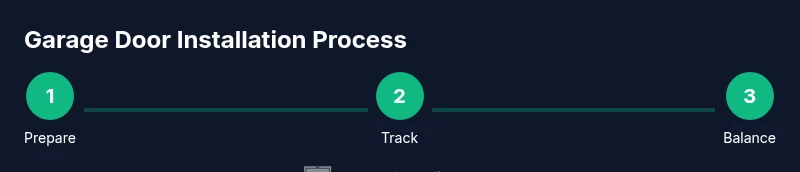
- 1
Prepare the opening and inspect components
Unbox the kit and lay out all parts on a clean surface. Check that panels, tracks, brackets, and hardware match the instruction sheet. Inspect the header, jambs, and floor for damage or warping, and ensure there are no obstacles in the door’s path. This step reduces the chance of misalignment and missing pieces later in the process.
Tip: Double-check part counts against the instruction list before proceeding. - 2
Mount tracks and brackets to the frame
Position the vertical tracks in line with the rough opening. Use a level to ensure tracks are perfectly plumb, then secure brackets to the jamb with appropriate fasteners. Validate that the tracks are parallel and spaced per the model’s specifications. Misaligned tracks cause binding and premature wear.
Tip: Clamp tracks temporarily to keep them from moving during fastener installation. - 3
Install springs and safety cables if applicable
If your door uses extension springs, attach safety cables through the springs as required by code. If torsion springs are present, this step is high-risk and typically requires professional service; do not attempt spring winding without certification. Install any winding hardware per the manufacturer’s instructions and verify the spring balance visually before proceeding.
Tip: If you are unsure about spring type, stop and verify with the manual or a pro. - 4
Attach door panels to the tracks
Lift the first section into position and secure it to the tracks and brackets. Attach subsequent panels as specified, with attention to hinge orientation and weather seal alignment at the door edges. Check for even panel fit and consistent gaps along the sides.
Tip: Use helping hands or clamps to hold the panel while you fasten the hinges. - 5
Install the door opener (if included) and balance
Mount the opener rail and motor unit per manufacturer instructions. Connect the door to the opener arm, then program the opener limits. Test the door’s balance by lifting it halfway; it should stay put. If it drops or rises, re-check track alignment and spring tension (if accessible).
Tip: Lock out the opener when manually testing the door to avoid accidental operation. - 6
Test operation and make final adjustments
Cycle the door several times in both directions to observe operation. Listen for grinding or rubbing, and inspect all fasteners for tightness. Adjust tension, track alignment, and weatherstripping as needed. Ensure the door closes fully and seals well against the floor and frame.
Tip: Test auto-reverse at a low speed to confirm safety features work properly. - 7
Final safety check and cleanup
Remove tools, secure all moving parts, and wipe down tracks to remove debris. Review the maintenance plan and schedule periodic checks. Document any parts that were replaced or modified, and store manufacturer manuals together for future reference.
Tip: Dispose of packaging materials safely and keep children away during final checks.
Got Questions?
Is professional help required for garage door installation?
Garage doors involve heavy panels, springs, and tensioned hardware. If your system uses torsion springs or a new opener, hiring a licensed technician is strongly recommended. For non-spring tasks, you can perform safe steps following manufacturer instructions.
For springs or opener work, professional help is usually required. For basic frame and track installation, follow the manufacturer’s instructions.
Can I install a garage door opener myself?
Installing a garage door opener is a doable DIY task if you follow the manufacturer’s instructions and observe safety precautions. Many parts require proper alignment and calibration to ensure safe operation. If you’re uncertain about wiring or mounting, consider professional installation.
You can install it yourself if you’re comfortable with wiring and mounting; otherwise, hire a pro.
What is the typical cost range for installation?
Costs vary widely based on door type, spring system, and whether a new opener is included. A basic new door with standard hardware typically falls into a moderate range, while torsion-spring systems and full opener integration can be higher. Get multiple quotes and verify what’s included (labor, parts, warranties).
Costs vary; get several quotes and clarify what’s included to compare apples to apples.
How long does installation take?
A typical garage door replacement with tracks and a new opener can take a full day for a professional team. DIY timelines depend on your experience, tooling, and whether you need to address framing or insulation. Expect several hours for most straightforward installs.
Most projects take several hours; a full day is common for DIY setups with new openers.
What maintenance is needed after installation?
Regular lubrication of moving parts, periodic balance checks, and annual professional inspections keep doors safe and quiet. Check weather seals and track alignment after seasonal changes or heavy use. Replace worn hardware promptly to prevent failures.
Lubricate, inspect balance, and schedule a yearly check to stay proactive.
What safety checks should I perform before using the door?
Before first use, test the auto-reverse function, ensure the door opens smoothly, and confirm it seals properly when closed. Verify the safety sensors are aligned and functioning. These checks prevent injuries and protect against accidental closures.
Test auto-reverse and sensors, ensure smooth operation, and check sealing.
Watch Video
Quick Summary
- Plan and measure carefully before lifting any panels
- Balance and align tracks to prevent premature wear
- Only perform safe, non-spring steps if you are not trained
- Keep a clear workspace to avoid accidents
- Test movement in multiple positions to confirm smooth operation