How Is Garage Door Installed: A Step-by-Step Guide for Homeowners
Comprehensive, homeowner-friendly instructions for installing a garage door, with planning, safety, tools, steps, and troubleshooting guidance to ensure a solid, safe setup.


By following this guide, you will learn how to install a garage door from framing to final adjustments, including safety checks and opener mounting. This process covers planning, measuring, assembling tracks, and aligning panels. It assumes typical residential sizes and emphasizes professional help for springs or torsion components. According to GarageDoorAdjust, proper installation reduces noise and improves longevity.
Why is garage door installation important?
A correctly installed garage door is essential for security, insulation, and convenience. A poorly installed door can cause binding, uneven gaps, misaligned tracks, or premature wear, leading to higher energy bills and costly repairs. The GarageDoorAdjust team emphasizes that the installation sets the foundation for safe operation and reliable opening cycles. Homeowners who follow a clear, methodical process usually experience quieter operation, better balance, and fewer service calls over time. This section explains the why behind the process and helps you set expectations before you begin the physical work.
Beyond basic function, proper installation matters for safety. Spring balance, track alignment, hinge placement, and opener connection all interact. Even when you are tackling a DIY project, taking time to plan, measure, and verify components against manufacturer specifications minimizes the risk of binding or collapse. In short: careful setup now translates to fewer headaches later, plus improved resale value and a more comfortable, secure garage.
Note: This guidance aligns with best practices from industry sources and reflects the practical experience of the GarageDoorAdjust team. While some homeowners choose to tackle steps themselves, others opt to hire licensed professionals for high-risk components like springs and certain balance systems.
Planning the project: scope, codes, and safety checks
Before lifting panels, you must outline the scope of work, check local building codes, and ensure you have a safe workspace. Start by listing parts needed, confirming the door size, and verifying that the track system will fit your garage opening snugly. Always wear eye protection and work with a partner when handling heavy panels. The plan should also account for delivery timing, weather conditions, and a contingency for alignments that require minor adjustments.
From a safety perspective, it is essential to manage the door's weight and movement path. Do not stand under the door as it moves, and ensure the space is clear of children and pets during installation. If your setup includes torsion springs, recognize that these components are under extreme tension and require specialized tools and training. When in doubt, consult a professional—this is not a step to rush.
Tools, materials, and workspace readiness
A well-prepared workspace reduces frustration and speeds up the process. Choose a clean, level area with ample room to maneuver panels. Ensure you have a sturdy ladder and secure anchors for tracks and brackets. Review the manufacturer’s instructions for component compatibility, screws, bolts, and hardware. If you are missing a critical piece, delay installation to prevent gaps or misalignment. A tidy workshop helps you stay organized as you progress from frame to finish.
In this project, you’ll often cross-check measurements against the door’s documentation. Keep a notebook or device handy to record alignment marks, screw sizes, and any adjustments. Doing so creates an auditable trail that can be useful if you need service later on. Remember: precision matters more than speed when handling the tracks and balance system.
How the parts come together: an overview of the step-by-step process
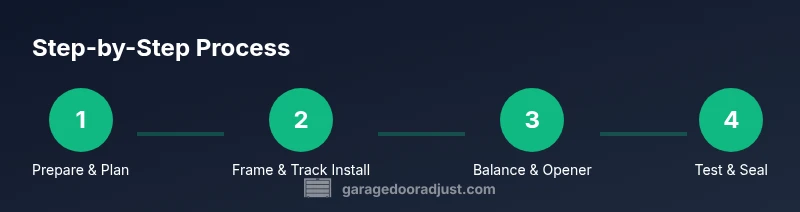
The installation pipeline generally includes preparing the opening, assembling door sections, mounting tracks, installing rollers, balancing the door with springs or alternative systems, attaching the door to the opener, and performing a final safety and alignment check. Each stage builds on the previous, so take your time with measurements, level checks, and test openings. Staying organized helps you identify misalignments early and avoid rework.
The following sections in this article cover each phase in detail. Do not skip the preliminary checks, as they prevent later complications. Always consult the door manufacturer's instructions and your local code requirements for compliance and safety.
Step-by-step: framing and track alignment (overview)
This segment covers the basic framing and track layout. You’ll mark the opening, install the header bracket, and verify the vertical and horizontal track alignment. The goal is to create a stable, square framework that allows smooth travel for the door panels. A well-aligned frame reduces the risk of binding and ensures each panel seats correctly in its track. Take time to recheck measurements after mounting the initial pieces and adjust as needed before moving forward.
Key principle: square and plumb are your best friends. If anything looks off, pause and re-measure rather than forcing components into place. Even small deviations can compound into major alignment issues.
Installing panels, rollers, and tracks
Installing door panels on the tracks is the heart of the setup. Start with the bottom section, then work upward, ensuring each panel engages the rollers smoothly and sits correctly in its track. When mounting tracks, you must ensure they are level and square to avoid binding. Use shims where necessary and check each connection for secure engagement. The result should be a door that moves smoothly with balanced resistance across its travel path.
As you progress, verify that roller wheels spin freely and that there is no binding as you operate the door by hand (before the opener is connected). This step often reveals misalignment or track warping that needs correction before moving to the next stage.
Balancing, springs, and safety devices (professional involvement recommended)
Balancing the door is critical for safe operation. Many residential doors rely on springs to offset the door’s weight. The exact approach depends on whether you have extension springs or torsion springs. Springs are under high tension and require specialized tools and procedures. Because improper spring installation can cause severe injury or property damage, many homeowners choose to hire a licensed technician for this step.
If you proceed with DIY for non-spring components, continue to exercise caution around cables, pulleys, and track hardware. Always lower expectations for this step and plan for professional support if you encounter unusual resistance, misalignment, or unusual noises during operation.
Mounting the door opener and final safety tests
With the door frame aligned and the door balanced, you can install the garage door opener. Follow the manufacturer’s mounting instructions to attach the opener rail, connect the trolley, and set the safety sensors. The initial connection should be tested with the door unplugged to verify that the limit switches and auto-reverse features respond correctly when the door is moved. Once the opener is functioning, reconnect power and conduct a full cycle test with all safety features enabled.
Finally, perform routine maintenance checks: lubricate moving parts, inspect hardware for tightness, and recheck door balance after a few cycles. A well-tuned system will resist sagging and improve long-term reliability.
Fine-tuning, maintenance, and the final verdict
After all components are installed, do a thorough inspection for any gaps, misalignments, or loose screws. Tighten fasteners to manufacturer-specified torque values and re-test the door’s balance. Listen for unusual noises and perform a few manual cycles to ensure smooth operation. Routine maintenance, including lubricating tracks and hinges, extends the life of the door and reduces wear on moving parts.
GarageDoorAdjust analysis shows that ongoing maintenance is a cornerstone of long-term reliability. The expert guidance here helps homeowners catch minor issues before they become major repairs. The GarageDoorAdjust Team’s final verdict emphasizes safety, careful planning, and, when in doubt, professional involvement for high-risk steps.
GarageDoorAdjust's verdict and next steps
The GarageDoorAdjust Team recommends prioritizing safety above all. For most homeowners, the most critical decisions are to verify measurements, ensure proper track alignment, and choose the right balance system. For spring-related steps, seek professional assistance to minimize risk. If you followed this guide and encountered persistent issues, consider scheduling a professional inspection to confirm all components are installed to specification. With patience and attention to detail, you can achieve a durable, well-balanced garage door system.
Tools & Materials
- Measuring tape(Minimum 25 ft; for door width and track alignment)
- Level (torpedo or laser)(Ensure tracks are perfectly vertical and horizontal)
- Drill/driver with bits(Phillips and flathead bits; masonry bit if mounting on concrete)
- Socket wrench set(For mounting bolts and brackets)
- C-clamps or locking pliers(Hold components in place during assembly)
- Screwdrivers (Phillips and flat)(General fastener adjustment)
- Hammer or mallet(Seat components gently without damage)
- Ladder or scaffold(Safe access to higher tracks and header)
- Safety glasses(Protect eyes from debris and metal parts)
- Gloves(Improve grip and protect hands)
- Pry bar or putty knife(Auxiliary for alignment or removing spacers)
- Caulking and weatherstripping(Seal gaps after mounting)
- Door seal kit(Optional for insulation and weather protection)
- Door kit components (sections, tracks, rollers, brackets)(Ensure kit matches door size)
- Safety equipment for springs (if DIY alternative present)(Only use if you have training; otherwise hire a pro)
Steps
Estimated time: 4-6 hours
- 1
Prepare space and inventory
Clear the workspace, measure the opening, and verify that all door kit components match the model. Check for obstructions in the doorway and ensure your helper is ready. Verify that you have personal protective equipment and a plan for power shutoffs if needed.
Tip: Double-check parts against the manufacturer’s list before starting. - 2
Mark and secure the header bracket
Locate the header position and mark the centerline for the header bracket. Secure the bracket with appropriate fasteners into the framing. Ensure the bracket is level to prevent downstream misalignment.
Tip: Use shims to adjust the bracket if the header isn't perfectly plumb. - 3
Assemble the bottom panel and track
Lay out the bottom panel and attach the track segments to the panel, ensuring the rollers will align with the track as the door moves. Thread the rollers into the bottom rail and attach the first track section to the bracket.
Tip: Keep all screws in line with the manufacturer’s torque recommendations. - 4
Install vertical tracks and alignment guides
Mount the vertical tracks to the door jamb, making sure they are perfectly plumb. Install any alignment guides or anti-sway brackets as specified by the kit instructions.
Tip: Check for square by measuring diagonally corner to corner. - 5
Mount remaining panels and tracks
Continue adding panels and tracks upward, ensuring each panel seats properly on its rollers. Use clamps to hold sections in place during assembly.
Tip: Pause to verify smooth movement before adding the next panel. - 6
Address springs and balance (professional step)
Springs provide the balance for the door. If you are not trained to install springs, hire a licensed technician to complete this step. Do not attempt torsion spring work without proper tools and instruction.
Tip: Schedule professional help early if your setup uses torsion springs. - 7
Mount the opener and connect safety devices
Attach the opener rail to the mounted door, connect the trolley, and install safety sensors per manufacturer directions. Ensure power is off during installation, then test sensor alignment and opening motion in a controlled manner.
Tip: Verify the auto-reverse function responds to a test object. - 8
Test, adjust, and secure hardware
Cycle the door multiple times to confirm smooth operation. Tighten hardware to spec, calibrate travel limits, and check all safety features. Document any adjustments for future maintenance.
Tip: Keep a maintenance log with dates and notes on adjustments.
Got Questions?
Do I need a permit to install a garage door?
Permits vary by location. Check local building codes and HOA requirements before starting. If a permit is required, follow the approved plan and schedule inspections as needed.
Permit requirements vary by area; check your local codes and secure approvals before installation.
Can I install a garage door myself safely?
DIY is possible for some non-spring components with careful planning and adherence to safety guidelines. Springs and certain balancing systems can be hazardous, so many homeowners hire a professional for those steps.
You can DIY non-spring steps, but leave springs and major balancing to a pro.
What parts are typically included in a garage door kit?
A typical kit includes door sections, tracks, rollers, hinges, brackets, a mounting frame, and hardware. Optional components include a opener, weatherstripping, and insulation accessories.
Most kits have the door panels, tracks, and mounting hardware; openers and weatherstripping vary by package.
How long does installation usually take?
Professional installation often takes several hours depending on door size and configuration. DIY durations vary with experience, but expect a longer timeline if you’re learning as you go.
Most installations take several hours; it varies with door size and your experience.
What about torsion springs? Can I install them myself?
Torsion springs are under high tension and pose serious risk. Do not install or adjust torsion springs yourself unless you are trained and equipped for it.
No—torsion springs are dangerous to handle without proper training and tools.
How should I maintain a newly installed door?
Regularly lubricate moving parts, check track alignment, test safety features, and tighten hardware as needed. Schedule periodic inspections to catch wear before it causes issues.
Keep it lubricated, aligned, and tested for safety; check hardware periodically.
Watch Video
Quick Summary
- Plan carefully and verify measurements before starting.
- Keep tracks square and panels aligned for smooth operation.
- Heed safety warnings—professional help for springs is advised.
- Test safety features and document adjustments for maintenance.