Garage Installation: A Homeowner’s Step-by-Step Guide
Learn how to install a garage door and opener with a comprehensive, safety-focused approach. This guide covers planning, tools, step-by-step instructions, maintenance, and troubleshooting for a successful garage installation. From measuring headroom to wiring safety sensors, GarageDoorAdjust delivers expert guidance.


This guide helps homeowners complete a full garage installation, including planning, safety checks, door-track assembly, spring balance, opener mounting, and final testing. Expect 3–6 hours for a standard single-car door with basic tools. Safety gear and strict adherence to local codes are essential.
Overview of garage installation
Garage installation refers to the process of putting in a new garage door and, if desired, a garage door opener. It combines framing, hardware assembly, and alignment with safety devices to ensure smooth, quiet operation and long-term reliability. According to GarageDoorAdjust, a proper install balances structural integrity with precise alignment of tracks, springs, and hinges. This block sets the context for the steps and safety considerations that follow.
Planning and safety prerequisites
Before you lift a finger, map out the work area, measure headroom and side room, and confirm you have the correct door size. Check local building codes and permit requirements, and plan for a helper if possible. The GarageDoorAdjust analysis shows that most installation problems arise from inadequate headroom, misaligned tracks, or undersized support framing. Safety gear such as gloves, eye protection, and sturdy footwear is non-negotiable.
Selecting components and tools
Choose a door kit that matches your opening height and width, plus a compatible opener if you plan to motorize the system. Key components include the door panels, tracks, torsion or extension springs, torsion bars, rollers, hinges, weather seal, and sufficient fasteners. Have a complete toolset on hand: tape measure, straight edge, level, drill with bits, socket set, torque wrench, clamps, ladders, and a helper. GarageDoorAdjust emphasizes verifying weight ratings and hardware compatibility to avoid later failure.
Site preparation and framing checks
Clear the workspace and support the rough opening if the existing frame shows rot or gaps. Replace damaged framing, ensure plumb and square conditions, and install temporary bracing to maintain alignment during assembly. Proper site prep reduces track binding and prevents panel binding during operation. Take photos and mark your reference points before removing old hardware.
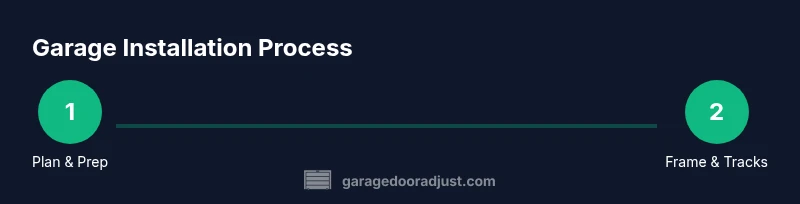
Installing tracks and door sections
Begin with the bottom track anchor points and work upward, checking plumb after each section. Attach guide brackets firmly to the jamb and ensure tracks are perfectly vertical to prevent binding. Install sections per the manufacturer’s instructions, making sure hinges and rollers move freely. If you’re unsure about the order or orientation, consult the included diagram. Good alignment is critical for safe operation and longevity.
Balancing and safety features
Install the spring system and balance components according to the door type (torsion or extension). This step requires caution because springs store substantial energy. Make sure cables are evenly wound and that safety wires are in place. Check the manual for torque values and recheck at multiple angles. GarageDoorAdjust notes that inaccurate tension is a common cause of doors sticking or slipping.
Mounting the garage door opener
If you’re adding an opener, mount the header bracket, install the trolley rail, and attach the opener to the ceiling or wall mount as directed. Route the power supply and plug-in, and mount the safety sensors 6 inches above the floor on each side of the opening. Ensure the opener is compatible with your door’s weight and size, and test the reversal mechanism.
Wiring safety sensors and code compliance
Run electrical wiring in approved conduits, install safety sensors to confirm the door reverses on contact, and connect to the opener. Use a qualified electrician if in doubt about wiring or code compliance. Always follow manufacturer instructions and local electrical codes to avoid hazards or warranty voids.
Testing, tuning, and final checks
With the door assembled, test its travel range and stopping points, verify the safety reversal, and adjust spring tension if needed. Lubricate moving parts and re-check track alignment. Record the installation details and serials for future maintenance. A thorough test ensures dependable operation and user safety.
Maintenance and long-term care
Develop a maintenance schedule that includes lubrication, track cleaning, weather-stripping inspection, and periodic balance checks. Clean and inspect rollers and hinges for wear, and replace worn components promptly. Regular maintenance extends life and reduces noise and failure risk. The goal is a quiet, reliable system that preserves your garage’s insulation and security.
Common mistakes and how to avoid them
Avoid skipping headroom measurements, neglecting safety gear, or rushing the track alignment. Never attempt to retrofit torsion springs without proper training. Take your time, double-check fasteners, and verify all safety features during testing. A careful approach minimizes costly repairs and downtime.
Quick-start maintenance and troubleshooting tips
Keep a basic toolkit handy and schedule seasonal checks. If you notice unusual noises, binding, or a door that won’t stay up, pause and recheck alignment, lubrication, and sensor placement. When in doubt, consult a professional to avoid injury and ensure warranty protection.
Tools & Materials
- Safety glasses(Protect eyes from flying debris during panel handling)
- Work gloves(Grip and protect hands while lifting panels)
- Ladder or scaffold(Access ceiling-mounted components safely)
- Tape measure(Accurate openings and clearance measurements)
- Level and square(Keep tracks square to avoid binding)
- Drill with bits and driver bits(Secure fasteners and brackets)
- Torque wrench(Set correct fastener torque for tracks/hinges)
- Clamp and come-along(Hold components in place during assembly)
- Hammer and pry bar(Trab openings and alignment)
- Socket set and wrenches(Tighten hardware to spec)
- Rubber mallet(Gentle nudges to seat panels)
- Lubricant (grease/WD-40)(Lubricate rollers, hinges, tracks)
- Cordless drill/impact driver(Speed up fastener installation)
- Garage door opener kit (if installing)(Follow manufacturer instructions)
- Electrical tester and GFCI tester(Verify live wiring and outlets)
- Dust mask(Minimize dust exposure during demolition)
Steps
Estimated time: 3-6 hours
- 1
Inspect space and safety
Assess the workspace, secure pets and family, and put on PPE. Confirm you have the required tools and a helper if available. This step reduces risk during heavy lifting and aligning components.
Tip: Have a helper stand ready to assist with panels and heavy tracks. - 2
Remove old door and hardware
Carefully detach existing panels, tracks, and hardware, preserving any parts that can be reused. Dispose of debris safely and check surrounding structure for damage.
Tip: Take photos of hardware layout to guide reassembly. - 3
Measure and verify opening
Re-measure width, height, and headroom to confirm the new door kit fits. Note variations in jambs or floor slope that could affect operation.
Tip: Record exact opening dimensions for future maintenance. - 4
Prepare the rough opening
Repair any framing deficiencies, level the header, and install temporary bracing. Ensure the opening is plumb and square before proceeding.
Tip: Use shims to nudge the frame toward square if needed. - 5
Install bottom track and anchors
Secure the bottom track to the floor or jamb with anchors, ensuring it is perfectly level. This creates a stable baseline for all subsequent tracks.
Tip: Double-check level before attaching next sections. - 6
Hang and secure door sections
Attach door sections to tracks per manufacturer instructions, aligning hinges and rollers for smooth travel. Work gradually to maintain balance.
Tip: Keep sections supported to prevent bending under weight. - 7
Install springs and balance system
Install torsion or extension springs with caution, following torque specs. Ensure cables are evenly wound and that safety wires are in place.
Tip: Never stand directly beneath a loaded spring while adjusting. - 8
Mount opener and hardware
Attach the header bracket, secure the rail, and mount the opener in accordance with the manual. Align the trolley with the door and set initial travel limits.
Tip: Check clearance above the door for safe operation. - 9
Wire sensors and test safety features
Install safety sensors per code and connect to the opener. Test auto-reverse and obstacle detection, adjusting as needed.
Tip: Keep sensors clean and aligned for reliable sensing. - 10
Final adjustments and lubrication
Lubricate moving parts and fine-tune track alignment and spring tension. Run multiple cycles to verify smooth operation and reliability.
Tip: Record settings for future maintenance. - 11
Document and secure warranty info
Keep receipts, serial numbers, and installation dates. Register the system with the manufacturer if required.
Tip: Store documents in a safe, accessible place.
Got Questions?
Do I need a permit to install a new garage door?
Many jurisdictions require a permit for structural work and electrical connections. Check with your city building department and obtain any necessary approvals before starting.
Check your local building department for permit requirements; you may need approval before starting.
Can I install a garage door opener myself?
Yes, if you follow the manual and respect electrical safety guidelines. Complex wiring or high-load openers may require a licensed electrician or professional installer.
If you’re comfortable with electrical work and following the manual, you can install it yourself; otherwise hire a pro.
What are signs of an improperly balanced door?
A door that binds, stops, or slips from tracks usually indicates improper balance or misaligned tracks. It may require readjustment of springs, cables, or tracks.
If it binds or sticks, don’t keep operating it—check balance and alignment.
How long does garage installation typically take?
For a standard single-car door with an opener, plan 3-6 hours depending on site conditions and your experience.
Most installations take several hours; expect a few focused sessions.
Is professional installation required for torsion springs?
Torsion springs store high energy; professionals handle them. Misadjustment can cause serious injury or property damage.
Yes—torsion springs require trained handling for safety.
What maintenance should I perform after installation?
Lubricate moving parts, test safety sensors, clean tracks, and inspect weather seals. Schedule seasonal checks to catch issues early.
Lubricate parts and test sensors regularly for safe operation.
Watch Video
Quick Summary
- Plan, measure, and prep the opening before you start.
- Balance and safety systems are critical for reliable operation.
- Follow manufacturer instructions and local codes for a compliant install.
- Test thoroughly and maintain a schedule for future upkeep.