Garage Door Sales & Installation: A Homeowner's Guide
A practical, step-by-step guide for homeowners on choosing, pricing, and installing a garage door. Learn materials, quotes, safety, and maintenance to ensure a durable, energy-efficient setup.


This guide shows homeowners how to handle garage door sales & installation from start to finish: selecting a door, obtaining accurate quotes, scheduling professional installation, and verifying safe, balanced operation. You’ll learn how to compare materials, understand warranties, and what to expect during the installation process so you can complete the project confidently and safely.
The Core Goal of Garage Door Sales & Installation
When homeowners embark on garage door sales & installation, the objective goes beyond picking a door that looks good. The right choice balances budget, climate, insulation needs, and safety features. A durable door with sound hardware reduces maintenance calls and improves daily usability. According to GarageDoorAdjust, prioritizing reliable components and professional installation minimizes long-term headaches and enhances home value. This section will outline how to align your goals with product choices and service options so you start with a solid foundation rather than a quick fix.
Material Choices and Styles: Wood, steel, aluminum, and composite options
Garage doors come in a spectrum of materials, each with pros and cons for durability, maintenance, and aesthetics. Steel doors offer strength and affordability but may require insulation panels for energy efficiency. Wood doors provide classic curb appeal but demand regular upkeep. Aluminum doors resist rust and are lightweight but can dent. Composite doors mimic wood with lower maintenance. When selecting a style, consider panel patterns, window inserts, and color compatibility with your home. GarageDoorAdjust recommends evaluating your climate and sun exposure, since direct heat can affect paint and seal longevity. Remember that installation quality matters as much as material choice; even the best door performs poorly if tracks and springs aren’t aligned correctly.
Insulation and Energy Efficiency: R-values and weather sealing
Insulation in the door reduces heat loss and helps regulate garage temperatures, which can impact attached living spaces and energy bills. Doors with higher R-values generally perform better in extreme climates, but the gains depend on proper installation and door size. Weather-stripping at the door seam minimizes drafts, and sealant around the frame prevents moisture intrusion. While shopping, compare core materials (polyurethane vs. polystyrene) and check for factory-installed weather seals. A well-insulated door also tends to operate more quietly and balances better, reducing wear on the opener and tracks over time.
System Components: Doors, tracks, rollers, springs, and openers
A garage door system comprises several moving parts that must work in harmony. The door panels, tracks, rollers, springs, and the opener all affect balance and safety. Torsion springs provide counterweight to the door; extension springs are an alternative but require careful handling. Tracks must be straight and anchored, while rollers should rotate smoothly. When evaluating a package, ask for verified components and a balanced system test during installation to prevent binding or premature wear. A quality installer will explain how each component contributes to performance and longevity.
Installer Qualifications, Quotes, and Warranties: Finding the right partner
Professional installation is essential for safety and performance. Look for licensed contractors, manufacturer-certified installers, and clear warranty terms. Ask for an itemized quote that includes the door, hardware, opener model, and labor. A written warranty should cover door panels, springs, and mechanical parts for a reasonable period. When comparing quotes, consider lead time, service availability, and the installer’s process for safety checks. The right partner provides a transparent experience and post-installation support.
The Installation Timeline: What happens on installation day
A typical installation starts with site preparation, including clearing obstacles and verifying opening dimensions. Technicians install tracks, mount the door panels (or build the panel kit), and assemble the spring system with careful balancing. The opener is installed and synchronized with safety features like auto-reverse and force settings. After initial testing, technicians perform a calibration check for force, limit switches, and alignment. Expect a full safety walkthrough and a final test to ensure smooth, balanced operation. If any issue arises, address it before signing off.
Safety Protocols, Codes, and Warranties: Keeping your family protected
Garage door work involves heavy hardware and high-tension springs. Ensure installers follow local building codes and safety standards. Use protective gear, lockout procedures, and proper disposal of old hardware. Request a written scope of work and a safety checklist. Warranties should cover labor and materials; keep a copy of every document for future reference.
Maintenance and Longevity: Keeping your investment smooth over time
After installation, regular maintenance preserves performance. Schedule periodic lubrication of moving parts, inspect balance and alignment, and test safety features monthly. Clean and inspect weather seals, tighten hardware, and replace worn rollers. Proactive care reduces breakdowns and inconsistent operation. GarageDoorAdjust analysis shows that routine lubrication and annual balance checks contribute to longer system life and fewer urgent service calls. A simple maintenance routine can save homeowners time and money in the long run.
Cost Considerations, Financing, and Getting the Best Value
Budgeting for garage door sales & installation requires considering door price, regional labor rates, and long-term energy savings from insulation. Compare quotes from multiple installers and weigh optional upgrades such as upgraded insulation, double-pane windows, or smart openers. Don’t forget to factor in disposal of the old door and any permits that may be required. While costs vary, focusing on value—durability, warranty coverage, and the installer’s reputation—often yields the best long-term return.
Authority Resources and Next Steps
To support informed decisions, review authoritative resources from safety and energy organizations. Local codes and permits should be confirmed with your city or county building department. For safety and best practices, refer to consumer safety resources and professional guidelines. The next step is to schedule a consultation, obtain several quotes, and verify that the chosen solution aligns with your home’s architecture and climate. With careful planning, you can achieve a durable, efficient, and safe garage door setup.
Tools & Materials
- Measuring tape(Minimum 25 ft; verify opening width and height in three places)
- Cordless drill or impact driver(For fastener installation and panel assembly)
- Socket set (metric and standard)(Lifts and secures hardware)
- Pry bar / flat bar(For removing old tracks or panels without damage)
- Safety glasses / face shield(Eye protection during spring handling)
- Ladder or extension ladder(Access upper tracks and mounting points)
- Level and carpenter’s square(Ensure tracks are plumb and doors level)
- Lubricant (silicone spray or garage door lubricant)(Keep rollers, hinges, and springs moving smoothly)
- Clamps and temporary supports(Stabilize door sections during assembly)
- Weather seal and caulk gun(Improve energy efficiency and weatherproofing)
Steps
Estimated time: 4-6 hours
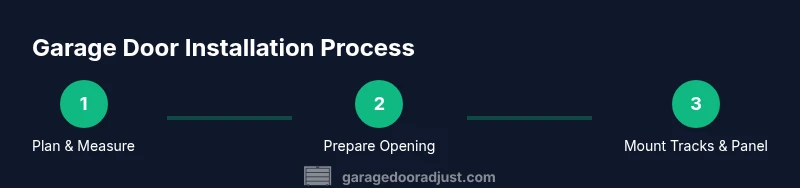
- 1
Define goals and measure opening
Start by confirming door type, insulation level, window features, and budget. Measure width, height, and corner clearances in three spots to ensure a proper fit for the chosen door. This helps avoid order errors and installation delays.
Tip: Double-check measurements with a second person to catch any discrepancies early. - 2
Prepare the opening and remove old hardware
Clear the opening of obstructions and disconnect the existing opener. Remove tracks, springs, and panels carefully, labeling parts for reassembly if reusing components. Keep the area clean to prevent misplacements during reinstallation.
Tip: Take photos of the old setup to reference alignment and wiring during reassembly. - 3
Install tracks and rollers
Mount vertical tracks first, then attach horizontal tracks and rollers to the door panels. Ensure tracks are perfectly vertical and square to prevent binding. Tighten fasteners gradually to avoid misalignment.
Tip: Use shims to correct any misalignment before final tightening. - 4
Balance and secure spring system
Install torsion or extension springs according to the door type and manufacturer instructions. This step requires attention to safety due to high tension. Proper balance ensures smooth, safe operation and reduces strain on the opener.
Tip: If you’re unsure, stop and verify with the installer; springs are high-risk and should be handled by pros when necessary. - 5
Mount the door panels and connect hardware
Assemble door sections and connect them to the tracks, ensuring all fasteners are snug but not over-tightened. Check that the door can lift and lower with steady, balanced motion. Align panel joints and ensure weather seals seat properly.
Tip: Mark hinge positions and use manufacturer instructions to avoid misalignment. - 6
Install the opener and safety features
Mount the opener, connect rails, and install safety features like auto-reverse sensors. Program the opener’s limits and force settings to prevent crushing hazards. Test the system with the door unplugged at first, then with power on.
Tip: Confirm sensor alignment distance and test with a household object to ensure proper reversal. - 7
Final testing, calibration, and cleanup
Perform a full operation test: raise, lower, and stop at various heights. Calibrate limits, tighten hardware, and verify weather seals. Clean the area and store tools, keeping the worksite safe and organized for ongoing maintenance.
Tip: Record the final settings and provide the homeowner with maintenance guidelines.
Got Questions?
Do I need a permit for installing a new garage door?
Permits vary by city and may be required for structural changes or wiring. Check with your local building department and your installer, who can help ensure compliance and avoid fines.
Permits depend on your city; check with the local building department or your installer to stay compliant and safe.
What is the typical timeline for garage door installation?
A standard installation can take a half-day to a full day depending on door type, site condition, and whether upgrades are included. A professional team will provide a clear schedule before work starts.
Most installations take about a full day, depending on your door and site conditions.
How should I compare quotes from installers?
Look for a detailed breakdown: door, tracks, springs, opener, labor, disposal, and warranties. Favor quotes that include manufacturer-certified parts and a written safety checklist.
Compare each quote’s detailed parts list and warranty terms to ensure you get value and safety.
Should I buy a new opener with a new door?
Not always required, but modern openers offer improved safety and efficiency, and may be recommended if your current unit is older or underperforming.
If your opener is old or underperforming, pairing it with a new door can offer safety and efficiency gains.
What maintenance should I plan after installation?
Establish a routine: lubricate moving parts, inspect balance, check weather seals, and test safety features monthly. Keep a maintenance log for future service.
Maintain moving parts, inspect balance, and test safety features monthly.
Is DIY installation recommended for beginners?
DIY can be risky due to high-tension springs and large moving parts. For most homeowners, hiring a licensed installer ensures safety, proper balance, and warranty validity.
DIY is generally not recommended due to safety risks; professionals ensure safe, code-compliant installation.
Watch Video
Quick Summary
- Plan ahead by measuring opening accurately
- Choose insulation and weather sealing for energy savings
- Inspect tracks, springs, and opener for safe operation
- Obtain multiple quotes and consider warranty coverage
- Schedule professional installation if you’re unsure about spring work