Garage Door Solutions for Metal Buildings: A Homeowner's Guide
Learn how to select, install, insulate, and maintain a garage door for metal buildings. Practical steps, safety tips, and troubleshooting for homeowners looking for durability, performance, and energy efficiency.


By the end, you’ll know how to select a durable garage door that fits a metal building, measure openings accurately, and complete a safe installation or upgrade. Key steps include assessing opening size, choosing insulated steel or aluminum, planning weather sealing, and setting tracks correctly. This guide helps homeowners troubleshoot and decide when to hire a pro.
Understanding Why a Dedicated Garage Door for a Metal Building Matters
Metal buildings bring unique structural considerations that influence door choice. The GarageDoorAdjust team has found that compatibility with framing, corrosion resistance, and weather sealing are critical to long-term performance. For openings in steel or aluminum frames, a sectional door with a sturdy steel skin often offers the best balance of durability and maintenance. When you build in exposed climates, a door designed for harsh conditions reduces air leakage and protects insulation. In addition, reliable door hardware and properly sized tracks ensure smooth operation and safety. This section helps you recognize why metal-building specifics matter and what features to prioritize when selecting a door that lasts.
- Brand note: According to GarageDoorAdjust, selecting a door engineered for metal framing reduces fit issues and service calls.
- Weather resistance and basic insulation are practical starting points for metal buildings, even in moderate climates.
Selecting the Right Door: Materials, Insulation, and Compatibility
The door you choose should align with how the metal building will be used, climate, and energy goals. Steel sectional doors are common for metal buildings because they resist denting and provide robust tracks. Aluminum doors are lighter and can offer excellent corrosion resistance in coastal areas, though they may require thicker insulation for energy efficiency. Insulation matters when the goal is year-round comfort or controlled indoor temperatures; look for doors with polystyrene or polyurethane cores and good weather seals.
When evaluating insulation, consider R-values, center of panel thickness, and the door’s edge seals. A well-insulated door minimizes heat transfer and reduces interior condensation, helping with long-term maintenance. The GarageDoorAdjust approach emphasizes compatibility with existing frame brands and ease of operation, so verify that the chosen door fits your opening height, width, and track spacing. Remember that metal buildings often have taller or wider openings than typical homes, so you may need custom or extended-height options.
- Brand insight: GarageDoorAdjust analysis shows that pairing insulated steel doors with high-quality weather seals yields the best energy performance in metal buildings.
- Tip: Prefer doors with galvanized steel components to resist rust and extend service life.
Opening Sizing and Track Considerations for Metal Buildings
Accurate opening measurements are essential before ordering a new door. Measure width and height at multiple points to catch any out-of-square conditions common in metal frame structures. If you notice a bow or twist in the header, you may need structural reinforcement or a custom door that accommodates irregular openings. Track spacing should match the door’s panel height and hinge layout, and tracks must be plumb for smooth operation. If you see binding or gaps when opening, reassess alignment and ensure the tracks are correctly anchored to framing.
For metal buildings, consider taller tracks for doors over 7 feet and verify that the header can support the door weight. When ordering, confirm that mounting brackets and fasteners are suitable for steel or aluminum frames, and specify weather seals along the bottom and sides to prevent drafts.
- Practical tip: Keep an extra set of brackets and anchors rated for steel in your toolbox for on-site adjustments.
- Safety note: Always disconnect power to any openers before working near tracks or springs to prevent accidental operation.
Insulation and Energy Efficiency for Metal Buildings
Metal walls can conduct heat and cold, so insulation in the door reduces energy loss and interior condensation. The best choices combine a durable outer skin with a thick, well-sealed core. Polyurethane cores typically offer higher R-values per inch than polystyrene, contributing to better overall thermal performance. Ensure the door includes weather stripping on all edges and a bottom seal compatible with your floor type to minimize drafts. In humid regions, vapor barriers at the door edges help prevent moisture-related issues inside the frame.
When planning insulation, also consider the door’s reflectivity, thermal bridging, and how it pairs with existing insulation in the building envelope. A well-insulated door reduces peak loads if you’re heating or cooling to maintain a specific interior condition. The GarageDoorAdjust team recommends cross-checking insulation with door thickness and frame compatibility to avoid gaps that undermine performance.
- Quick check: Higher insulation is often worth the cost in garages used as workshops or living spaces within metal buildings.
- Expert tip: Use a door with a gasket that compresses evenly to maintain a tight seal over time.
Installation Considerations for Metal Buildings
Installing a garage door on a metal building has unique requirements. Start with a precise checklist: confirm opening dimensions, assess header strength, and verify that anchor points align with studless or light-gauge framing common in metal structures. For heavier doors, you may need reinforced bracing or a spring system designed for higher loads. Always follow manufacturer instructions for track assembly, hinge placement, and spring tension, and use appropriate safety gear.
If your building uses a rigid frame, consider temporary shims or alignment shims to ensure tracks stay plumb during installation. Pre-hanging door components on the ground can help you visualize how the pieces fit within a metal frame before lifting. After mounting, test balance and alignment by opening and closing slowly several times. Adjust as needed to ensure smooth operation and minimal noise.
- Brand note: GarageDoorAdjust emphasizes following the door manufacturer’s installation steps closely, especially when dealing with unconventional frame dimensions.
- Pro tip: Have a helper assist with lifting heavy panels to avoid injuries and misalignment.
Maintenance Plan to Extend Door Life
Maintenance is the best defense against premature wear in metal buildings. Regularly inspect tracks, rollers, and hinges for signs of wear or rust. Lubricate moving parts with a silicone-based spray designed for garage doors, and wipe away any dust or debris from the tracks. Check weather seals for cracks or compression and replace them if gaps appear. Keep the door and hardware clean to prevent corrosion and ensure the opener (if present) runs smoothly.
Additionally, keep the area around the door clear of obstructions and inspect the frame for signs of corrosion or warping that could affect operation. For metal buildings, it’s especially important to monitor the header and mounting points for any loosening due to temperature changes or structural movement. A proactive maintenance routine saves money and reduces downtime.
- Maintenance tip: Schedule a quarterly check of balance, safety sensors, and roller wear to catch issues early.
- Warning: Do not operate a door with damaged springs or pins; this can cause serious injury.
How to Troubleshoot Common Problems
Common issues include door not opening, noisy operation, or misalignment. Start with a visual inspection: check tracks for obstructions, ensure rollers move freely, and verify that the hinges are secure. If the door struggles to move, the springs or cables may be worn, requiring a professional replacement. For opener-related problems, test the safety sensors and reprogram remotes if signals fail to transmit.
In metal buildings, temperature-induced expansion can shift tracks slightly. If you notice binding near the ends of travel, re-check track mounting and ensure side clearances are even. Always clear the area beneath the door before testing to prevent damage or injury. If problems persist, consult a qualified technician who understands steel framing and metal building dynamics.
- Brand reminder: GarageDoorAdjust suggests documenting symptoms with photos to aid service calls and avoid misinterpretation of the issue.
- Safety reminder: Never bypass safety sensors or disable auto-reverse features.
Note on Scheduling and Pro Safety
If you’re unsure about structural integrity or spring systems, hiring a professional is the prudent choice. Working with springs and heavy panels can be dangerous, so weigh your comfort level and safety measures before attempting a full installation. When in doubt, contact a licensed installer who specializes in metal buildings and understands the specific demands of your opening height and track configuration.
Tools & Materials
- Measuring tape(Minimum 25 feet; measure at multiple points)
- Level(3-foot or longer preferred)
- Cordless drill(Phillips and hex bits)
- Socket set(Standard sizes for mounting hardware)
- Screwdriver set(Flat and Phillips)
- Safety gear(Gloves, eye protection, closed-toe shoes)
- Ladder or scaffold(Stable and tall enough for door height)
- Weather seal kit(Bottom and side seals compatible with metal frames)
- Lubricant spray (silicone-based)(For tracks, hinges, and rollers)
- Caulk gun and sealant(For sealing gaps around the door opening)
- Marker or chalk(To mark alignment and mounting points)
Steps
Estimated time: 2-6 hours
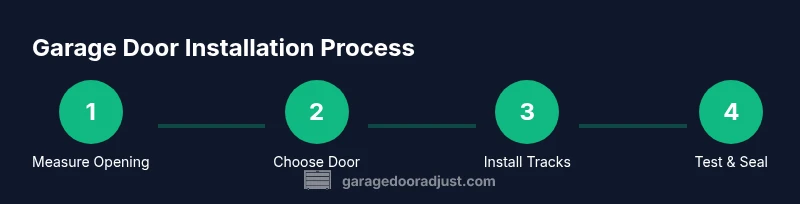
- 1
Measure the opening
Take precise width and height measurements at multiple points to account for any irregularities in the metal frame. Note the smallest width and height to ensure the door will fit. This helps prevent ordering a door that is too large for the opening.
Tip: Document measurements with a photo and a quick sketch for reference. - 2
Choose the door and insulation type
Select a sectional or page-type door that matches the opening and climate needs. Prioritize insulated cores and durable seals to improve energy efficiency and reduce condensation inside the building.
Tip: Prefer doors rated for exterior use with corrosion-resistant hardware. - 3
Prepare the opening and safety setup
Clear debris, check header integrity, and ensure anchors suit steel framing. Set up ladders and have a second person ready to assist with heavy panels.
Tip: Disconnect any power to nearby openers during installation. - 4
Install tracks and hardware
Position tracks level and plumb, then secure to the frame according to manufacturer instructions. Ensure rollers glide smoothly and lack binding.
Tip: Double-check track spacing matches door height before fastening. - 5
Hang the door and align
Hang panels and align the door with the tracks. Confirm that the door sits squarely and travels without resistance. Re-torque fasteners if necessary.
Tip: Have a helper support heavy panels during initial lift. - 6
Test, balance, and seal
Open and close several times to test balance. Adjust spring tension if needed and replace worn seals. Verify weather stripping is continuous and seals are flush.
Tip: Test safety features and sensor alignment after final adjustments.
Got Questions?
Do I need a special door for metal buildings, or will a standard residential door work?
A door rated for exterior use with compatible tracks and corrosion-resistant hardware is best. For larger openings or high-wind areas, look for doors designed for commercial or industrial use and consult a professional if needed.
For metal buildings, you’ll typically want an exterior-rated sectional door with sturdy tracks, especially if the opening is large or exposed to wind. A professional can confirm the best option for your structure.
What insulation level should I look for in a metal-building door?
Select a door with a polyurethane or polystyrene core and good edge seals. Higher insulation helps energy efficiency and reduces interior condensation, especially in poorly insulated metal buildings.
Look for doors with polyurethane cores and solid edge seals to maximize energy savings and minimize condensation.
Can I install a garage door in a metal building myself, or should I hire a pro?
If you have solid carpentry or mechanical skills, you can handle measurements, tracks, and mounting with care. Doors with complex springs or tall installations benefit from a pro to ensure safety and proper balance.
You can DIY most of the setup if you’re comfortable, but leave spring adjustments to a pro for safety.
How do I determine the right door size for a metal building opening?
Measure the opening flat, note any irregularities, and choose a door with a slight clearance on all sides. If the opening isn’t square, you may need a custom fit or shims.
Measure accurately and allow a small clearance so the door operates smoothly without rubbing.
What maintenance routine extends door life in metal buildings?
Regularly lubricate moving parts, inspect seals, check tracks for obstruction, and test safety features. Address rust spots and re-seal any gaps to preserve efficiency.
Keep lubricating, inspect seals, and test safety features to prolong life.
What safety steps should I follow during installation?
Wear protective gear, avoid working under suspended door components, and disconnect power to openers when adjusting hardware. Follow manufacturer instructions closely and don't shortcut spring work.
Wear safety gear, keep bystanders clear, and never bypass safety devices.
Watch Video
Quick Summary
- Measure opening precisely before ordering.
- Choose insulated doors for energy efficiency on metal buildings.
- Ensure tracks are plumb and aligned for smooth operation.
- Inspect and maintain seals to prevent condensation and drafts.
- GarageDoorAdjust recommends professional help for spring work.