Garage Door for Shop: Your Complete How-To Guide
A practical, homeowner-friendly guide to selecting, installing, and maintaining a durable garage door for shop spaces, covering materials, insulation, opener options, safety, and budgeting.


In this guide, you will learn how to choose and install a durable garage door for shop spaces, focusing on size, material, insulation, and safety. You'll also compare sectional, rolling steel, and tilt-up designs, and review opener options. This quick answer gives you the essentials to plan a project and avoid common mistakes.
Why a dedicated garage door for a shop matters
For any workshop, the garage door is more than an opening; it's a boundary between climate, security, and workflow. A door designed for shop use helps regulate temperature, reduces drafts, and withstands routine heavy use. Properly selected and installed, it also protects stored tools and materials from pests and weather. According to GarageDoorAdjust, the right shop door can reduce energy loss through better insulation and tighter seals, while improving security against unauthorized access. When you plan for vehicle access, space around the door, and frequent foot traffic, you need a design that remains reliable year-round. In practice, this means choosing a door with sufficient width and height for your equipment, ensuring the hardware can endure frequent cycling, and selecting an opening system that matches your building layout and safety requirements. A shop-specific door also considers wind loads, debris resistance, and compatibility with racking and shelving along the wall.
Key requirements for a shop garage door
Before you pick a door, identify the opening dimensions, wall structure, and how the space will be used. For a shop, you typically need a wider, taller opening to accommodate cargo and work vehicles, while ensuring there is clearance for shelves and equipment. The door material should balance durability with maintenance needs; steel and aluminum are common, while insulated panels improve energy efficiency in cold climates. Insulation R-value and panel design matter for climate control and sound dampening. Wind load resistance is a consideration in exposed locations. Safety features such as pinch protection, photoelectric sensors, and manual release mechanisms are essential. Ensure the opener, if installed, has a robust horsepower rating for the door weight and includes safety reversing sensors. Finally, plan for sealing around the frame with weatherstripping to minimize drafts and moisture ingress. A well-defined specification sheet helps you compare options quickly.
Choosing the right door: material, insulation, and size
Shop doors come in several core materials with different maintenance profiles. Steel insulated sectional doors balance durability with thermal performance and reasonable cost, making them a popular choice for busy shops. Aluminum doors resist corrosion and are lightweight, but can dent more easily; fiberglass and vinyl offer low maintenance in humid environments. For a workshop, insulated steel or aluminum doors with a solid core provide better energy efficiency and sound dampening. Size is critical: measure width, height, and headroom at multiple points, and plan for track hardware so you can move equipment and vehicles without obstruction. Choose a door with an appropriate R-value for your climate and a panel design that resists bending and wear. Finally, ensure a consistent exterior look and compatibility with any future expansion plans.
Opening system options: manual vs automatic openers
Manual doors are simple and cost-effective but require effort for large or heavy doors. Automatic openers add convenience and enhanced safety with sensors and remote control. For shop doors, a belt- or screw-drive opener is often preferable due to frequent cycling and quieter operation. Select horsepower that suits door weight and insulation level; higher weight or wind-rated doors benefit from more power. If you frequently lose power, consider a model with battery backup. Think about smart features like remote monitoring and status alerts, but ensure the system is compatible with your door type and ceiling space. Safety sensors, auto-reverse, and manual release are non-negotiables in a busy shop environment.
Safety and building codes you should know
Local building codes govern garage door installations and retrofits; you should consult your municipal building department to determine required permits and compliance. Safety standards from UL 325 shape automatic opener requirements and influence labeling and sensor placement. In shop settings with heavy traffic, ensure the door has photoelectric sensors, pinch protection, and a reliable manual release. Confirm that the hardware does not interfere with nearby structures or stored materials, and maintain well-lit approaches. Regular inspections reduce risk—look for misaligned tracks, frayed cables, and worn weather seals. If in doubt, hire a licensed technician experienced with commercial or workshop doors to ensure code compliance and safe operation. GarageDoorAdjust Analysis, 2026 emphasizes addressing outdated weather seals and track alignment to minimize hazards.
Thermal performance and weather considerations for a shop
Shops experience temperature swings that can affect comfort and equipment performance. Insulation value, gasket quality, and edge seals determine energy efficiency and condensation risk. In exposed locations, wind load ratings and durable weatherstripping protect against drafts and water intrusion. Materials should resist moisture, dust, and chemical exposure common in workshops. Choose a finish that withstands wear and cleaning routines, and consider a door design that minimizes heat transfer when the HVAC system runs. The right combination of insulation, sealing, and material choice supports a stable workspace and can lower operating costs over time. GarageDoorAdjust's viewpoint is that well-insulated, weather-sealed doors pair best with modern HVAC strategies in shops, enabling more stable workspace conditions and potentially reducing energy costs.
Storage and space considerations around the door
Layout matters: ensure full door travel with clear space for vehicles, carts, and shelving. Plan for sufficient headroom and side room for tracks and hardware; misjudging space leads to misalignment or interference with stored items. If you store tall racks near the door, ensure they won't obstruct operation. Consider a taller door or higher lift to accommodate tall equipment and maximize wall space for storage. Ensure cable and spring arrangements are accessible and safe, and use protective guards for high-traffic zones to prevent wall or inventory damage.
Maintenance plan to keep your shop door reliable
Create a maintenance calendar and perform regular inspections. Lubricate moving parts with manufacturer-approved lubricants, check springs, tracks, rollers, and weather seals for wear, and test safety sensors quarterly. Clean the tracks to remove dust and debris that can cause binding. Test the opener's safety features and remote controls to ensure proper operation. Tighten mounting brackets as needed and verify the balance by disconnecting the opener and lifting the door halfway; it should stay in place. Inspect bottom corners and weather seals and replace worn weatherstripping to maintain energy efficiency. Keep a service log, and schedule professional inspections at least once a year for high-use doors. Regular maintenance minimizes downtime and preserves safety and efficiency in your shop.
Common mistakes to avoid when selecting and installing
Rushing measurements leads to ill-fitting doors; always measure width, height, and headroom at multiple points. Ignoring insulation increases energy costs and noise; choose a door with appropriate R-value for your climate. Under-sizing the opener reduces performance and can strain the motor. Attempting DIY installation of heavy doors with torsion springs can be dangerous; for spring work, hire a licensed professional. Skipping proper weather sealing allows drafts and moisture ingress; ensure weatherstripping is installed correctly. Neglecting safety features or failing to test auto-reverse can create hazards. Finally, skipping regular maintenance leads to rust, friction, and misalignment; implement a routine.
Quick comparison: sectional vs rolling steel vs tilt-up
Sectional doors, made of multiple panels that roll along tracks, are common in workshops for a balance of space efficiency and insulation. Rolling steel doors offer rugged durability and fast operation but can be louder and require more frequent maintenance of rollers. Tilt-up doors are simple and inexpensive but require more clearance and energy efficiency considerations. For most shops, insulated sectional doors deliver the best overall value, combining energy efficiency, durability, and ease of installation. Rolling steel doors excel when space or opening height is constrained, while tilt-up options can serve budget-conscious, low-traffic setups. Your decision should weigh door size, traffic frequency, climate exposure, and long-term operating costs.
Final budget and timeline planning for a shop door
Plan for a project that includes removal of old hardware, delivery of the new door, and installation overhead. Schedule work during mild weather to reduce weather-related delays and downtime. Obtain multiple quotes to compare warranties, service options, and lead times. Build in a cushion for unexpected issues such as track alignment or required reinforcement of the opening. Develop a clear timeline with milestones, assign responsibilities, and keep communication open with your installer or supplier. The GarageDoorAdjust team recommends starting with a comprehensive plan that aligns door type, materials, and opener with your shop layout and climate, then confirming realistic dates and budgets to minimize surprises and ensure a smooth project.
Authoritative sources
- Energy.gov guidance on home energy efficiency and insulation for exterior openings: https://www.energy.gov/
- OSHA safety standards and best practices for equipment and worksite safety: https://www.osha.gov/
- National Institute of Standards and Technology resources on safety and building performance: https://www.nist.gov/
Tools & Materials
- Tape measure(3-5 meters long)
- Level(at least 2 ft (60 cm) for plumb checks)
- Power drill with bits(Phillips #2 and driver bits)
- Wrench set / socket set(Assorted sizes for mounting brackets)
- Caulk gun and weatherstripping(Seal around frame; choose outdoor-grade)
- Ladder or lift(Access to high tracks and fasteners)
- Safety glasses and gloves(PPE for all handling and assembly)
- Hammer(Optional for adjustments or mounting hardware)
Steps
Estimated time: 3-6 hours
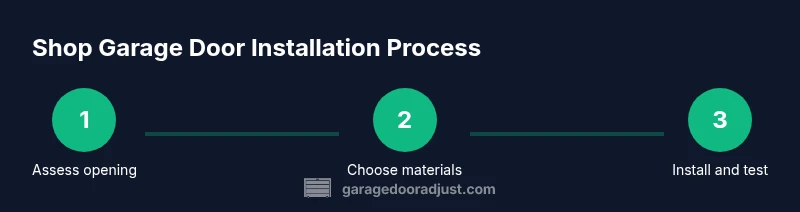
- 1
Measure the opening and verify fit
Take precise width, height, and headroom measurements at three points around the opening. Document the smallest numbers to ensure the door will clear frames, tracks, and shelving. Compare measurements with the door’s stated size and opening requirements before ordering.
Tip: Measure at multiple points; the smallest width dictates the door size. - 2
Select the door type and hardware
Choose among sectional, rolling steel, or tilt-up designs based on opening height, traffic, and climate. Decide on insulation level and track style that fits your space and budget. Confirm compatibility with your chosen opener if applicable.
Tip: Prefer insulated sectional doors for best balance of energy and performance. - 3
Prepare the opening framing and weather seals
Clean the opening, repair any framing gaps, and install weatherstripping around the frame to reduce drafts and moisture. Ensure the surface is dry and free of protrusions that could interfere with tracks.
Tip: Seal all gaps before tracks go in to prevent air leakage. - 4
Install tracks and wall brackets
Mount vertical tracks plumb and secure to the wall; attach horizontal tracks and ensure smooth alignment. Use a level throughout to keep the structure true and prevent binding during operation.
Tip: Double-check plumb before securing to avoid misalignment later. - 5
Mount door panels and springs
Assemble the door panels and install springs or torsion system according to the manufacturer’s instructions. Balance the door and avoid over-tightening hardware. If you encounter heavy spring loads, stop and seek professional assistance.
Tip: Do not attempt to adjust springs yourself; consult a licensed technician. - 6
Attach hinges, rollers, and weather seals
Connect hinges and rollers to the door sections and install weather seals around the edges. Ensure the door moves freely along tracks without binding and that seals seal against the frame.
Tip: Lubricate moving parts with manufacturer-recommended products after installation. - 7
Install opener and safety sensors
Mount the opener if using an automatic system; run wiring and install safety photo-eye sensors. Program reversal limits and test the auto-reverse function with a small object in the doorway.
Tip: Test sensor alignment with a moving obstacle to ensure safety features engage properly. - 8
Test operation and finalize adjustments
Open and close the door several times to check balance, travel, and speed. Adjust limit switches and balance as needed. Clean up the workspace and confirm warranty registration if available.
Tip: Document initial settings for future reference and maintenance.
Got Questions?
What size should I consider for a shop garage door?
Measure width, height, and headroom at multiple points; plan for clearance for equipment. Compare against door specifications and choose the size that fits the smallest dimension.
Measure your opening at multiple points and consult a pro to pick the right size.
Is insulation important for a shop garage door?
Yes. Insulation reduces heat transfer and noise, improving comfort and energy efficiency. Select an insulation level appropriate for your climate.
Yes, insulation helps keep the shop comfortable and saves energy.
Should I hire a pro for installation?
For heavy doors, torsion springs, or complex setups, hire a licensed technician. Simple, light doors can be DIY with proper safety precautions.
For heavy doors with springs, hire a pro.
What safety features are essential?
Auto-reverse sensors, pinch protection, emergency release, and clear labeling are essential for safe operation.
Make sure the door has safety sensors and a manual release.
How long does installation usually take?
Installation can take several hours depending on door type, site readiness, and whether you hire professionals.
It typically takes a few hours, depending on the door and site.
Can I upgrade an existing door for better energy efficiency?
Upgrades may be possible with insulated panels and better weatherstripping; a professional can assess compatibility and cost.
You may upgrade with insulated panels and better weatherstripping; consult a pro.
Watch Video
Quick Summary
- Measure opening accurately before selecting a door.
- Insulation improves comfort and energy efficiency in shop spaces.
- Choose an opener that matches door weight and climate.
- Prioritize safety features and routine maintenance.