24x36 Garage Door Guide: Install, Insulate, Maintain
Learn to plan, install, insulate, and maintain a 24x36 garage door system with step by step guidance, safety tips, and budgeting insights for homeowners.


You will plan, measure, and install a complete 24x36 garage door system, then calibrate the opener and safety features. Steps include choosing a door type, assembling tracks, mounting hardware, installing the opener, and testing balance and safety sensors. Before you start, verify the foundation is square, set up a stable workspace, and gather the required tools. This guide uses the 24x36 garage as the example.
Understanding the 24x36 Garage Context
A 24x36 garage is a spacious footprint that supports a comfortable double-car setup with room for storage and workspace. When you start planning a door system for this size, you’re balancing convenience, energy efficiency, and long term maintenance. According to GarageDoorAdjust, choosing a 24x36 footprint helps ensure a wide enough opening for two vehicles while leaving space for insulation, weatherstripping, and overhead hardware. The net result is faster daily access, better climate control, and more versatile use of the garage as a workshop or hobby area. In this guide you’ll learn how to size the door, choose the right style, and install a safe, durable system. We’ll also cover opener options, safety features, budgeting, and a practical maintenance plan. As you read, keep in mind that a well chosen door and properly installed hardware can improve energy efficiency, reduce noise, and extend the life of your garage space.
Sizing and Planning for a 24x36 Garage Opening
Before you buy components, verify the opening’s dimensions and the door’s alignment with the garage walls. Start by confirming the overall width of the opening, the height to the sash, and the floor level across the threshold. Then plan for tracks and headroom above the opening, allowing space for a carrier system and overhead hardware. For a 24x36 garage, the goal is a balanced opening that supports a sectional door design while leaving room for insulation, weatherstripping, and an overhead opener. Document all measurements, create a quick sketch, and compare with manufacturer specs. If the ceiling is unusually high or sloped, you’ll need to adapt the track configuration or consider a sectional door with low headroom guides. The key is accuracy: incorrect dimensions lead to binding, rubbing, or uneven door travel.
Door Styles and Insulation Options for 24x36 Garages
Sectional doors are the most common choice for a 24x36 space because they offer reliable balance, space efficiency, and easier installation on variable ceilings. Materials range from steel and aluminum to wood composite, each with pros for durability and maintenance. Insulated doors help reduce energy loss in climates with temperature swings, while non insulated models save on upfront cost. When choosing insulation, consider the local climate, your attic or ceiling insulation, and how often you use the space for activities beyond parking. Look for doors that advertise a good balance of R value, weather seals, and a durable skin. A well insulated 24x36 garage can substantially cut heating and cooling costs over time.
Openers, Safety Features, and Code Considerations for a 24x36 Setup
Pair your door with a reliable opener that supports smooth travel and safe stopping. Options include belt and chain drive systems, with belt being quieter and easier on family rooms adjacent to garages. Ensure a modern safety system with photoelectric sensors and auto-reverse on obstruction. Check local building codes and manufacturer recommendations for mounting height, track alignment, and electrical connections. GarageDoorAdjust Analysis, 2026 emphasizes prioritizing safety sensors and properly calibrated travel limits to minimize pinch points and accidental door closure. This is especially important in larger garages where frequent access occurs.
Step-By-Step Installation Overview for a 24x36 Door System
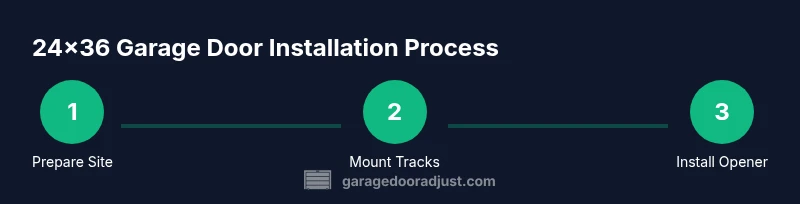
This section provides a high level view of the process you will follow in detail later. Start with site preparation, then frame and mount tracks, hang door sections, install springs and balance, attach rollers and hinges, install the opener, and finally configure safety sensors and perform a full test. While the outline is straightforward, the exact order and hardware may vary by door model. Always refer to the manufacturer manual for torque specs and sequence. A careful plan reduces rework and ensures a smooth operation from day one.
Site Preparation and Tools Setup for a Safe Install
Clear the workspace and remove obstacles from the door path. Protect the floor with drop cloths and keep a clear path for handling heavy sections. Verify electricity is off before wiring the opener and sensors, and prepare a ladder and tools within easy reach. Label hardware as you unbox components to prevent misplacement. A clean, organized site lowers the risk of injury and speeds up the installation, especially on a larger footprint like a 24x36 garage.
Maintenance and Longevity: Keeping a 24x36 Door in Top Shape
Regular maintenance extends the life of your door and reduces unexpected breakdowns. Grease hinges, rollers, and bearings; check balance; and replace weather seals as needed. Schedule seasonal inspections to catch sag, misalignment, or worn springs early. Lubrication and tightening are simple tasks, but springs and cables are hazardous if mishandled. Following a proactive maintenance plan helps preserve insulation, wind resistance, and overall operation. GarageDoorAdjust notes that consistent maintenance is key to safe, long lasting doors in mixed climates.
Budgeting, Timeline, and Next Steps for a 24x36 Project
A 24x36 door project varies by door type, insulation level, opener choice, and whether you hire a pro. Prepare for costs in broad ranges rather than exact figures to avoid sticker shock. Break the project into phases: planning and measurements, ordering parts, delivery, installation, and final testing. Build in time for potential delays such as weather or material backorders. After you complete the work, schedule annual checks and a mid season tune up to sustain performance. The GarageDoorAdjust team recommends setting aside a contingency fund for unexpected issues and prioritizing safety and code compliance above all.
Authority Sources
For further reading on safety, energy efficiency, and installation standards, consult trusted sources:
- OSHA: https://www.osha.gov
- U.S. Department of Energy: https://www.energy.gov
- National Institute of Standards and Technology: https://www.nist.gov
Tools & Materials
- Measuring tape (at least 25 ft)(Precise opening width and height)
- Spirit level(Ensure tracks are plumb)
- Pry bar(Removal of old hardware)
- Cordless drill with bits(Mounting tracks and hardware)
- Socket wrench set(Carriage bolts and brackets)
- Hammer and nails or zip ties(Temporary securing and labeling)
- Ladder(Access to tracks and ceiling)
- Safety glasses and gloves(Personal protection)
- Hammer drill (if concrete mounting is needed)(Optional for masonry anchors)
- Door kit (sections, tracks, springs)(Select size for 24x36 opening)
- Garage door opener kit(Rail, motor, and rail brackets)
- Lubricant (silicone or lithium grease)(Lubricate moving parts)
Steps
Estimated time: 4-8 hours
- 1
Verify opening size and plan
Measure the width and height of the existing opening and confirm floor level. Review the door kit specifications and ensure compatibility with a 24x36 footprint. Prepare a simple diagram showing track paths and hinge locations.
Tip: Double-check diagonal measurements to confirm opening squareness before ordering parts. - 2
Remove the old door and components
Disassemble the existing door if present, keeping track of hardware and screws. Photograph the setup for reference during reassembly if needed. Safely dispose of or store legacy components.
Tip: Label each harvested part and lay in order to simplify reassembly or replacement. - 3
Install vertical tracks and jambs
Mount fixed jambs and vertical tracks plumb to ensure balanced travel. Use shims to align gaps and fasten per manufacturer guidelines. Validate that tracks ride true without binding.
Tip: Check plumb with a level at multiple heights and adjust as needed before securing fully. - 4
Hang door sections onto tracks
Carefully raise and attach door sections to the vertical tracks, aligning hinges with predrilled holes. Secure sections with the recommended hardware, working calmly to avoid bending panels.
Tip: Have a helper support heavy sections during installation to prevent bending. - 5
Install springs and balance system
Attach torsion or extension springs according to the door kit instructions and balance the system. Do not attempt spring adjustment without proper tools and training. Verify that the door remains level and balanced when resting halfway open.
Tip: Consider professional spring work if you are unsure about tension and torque requirements. - 6
Attach rollers, hinges, and rail brackets
Install rollers into the upper and lower sections, attach hinge assemblies, and secure wheels to the tracks. Ensure all fasteners are tight and moving parts clear any obstructions.
Tip: Lubricate rollers lightly and avoid over-tightening as it can cause binding. - 7
Install opener and mount rail
Mount the operator and secure the opener rail to the header. Connect the rail to door brackets and make sure the operator is level and properly powered. Route wiring in a code compliant path.
Tip: Run wire protected from foot traffic and avoid pinched cables in the track area. - 8
Configure safety sensors and travel limits
Install photoelectric sensors and set travel limits per the manual. Run the door through several cycles to confirm safe reversal on obstruction and smooth operation.
Tip: Test with a small object at the threshold to verify auto-reverse quickly. - 9
Lubricate, test, and finalize
Lubricate moving parts, double-check fasteners, and perform a full function test. Mark maintenance reminders and note any adjustments for future reference.
Tip: Document the door’s balance and travel behavior for future tune ups.
Got Questions?
Can I install a 24x36 garage door myself, or should I hire a pro?
A DIY install is possible for experienced homeowners using the door kit's instructions. However, the spring system and safety sensor alignment can be hazardous and may require a pro. Assess your skills, follow all safety guidelines, and consider professional help for springs or wiring.
DIY is possible for skilled homeowners, but springs and wiring are best left to a professional.
Do I need a permit for replacing a garage door in a typical home?
Permit requirements vary by locality. Check with your city or county building department to determine if an installation qualifies as a structural or electrical permit. When in doubt, apply for a permit to stay compliant with codes.
Permit rules vary by area, so check with local authorities before you start.
What is the main benefit of insulating a 24x36 garage door?
Insulation reduces energy loss, helps regulate temperature, and lowers noise transmission. It also reduces wear on heating and cooling systems and can improve overall comfort in the garage space.
Insulation helps keep temperatures steady and lowers energy costs.
How long does a typical 24x36 garage door installation take?
For a standard installation with a complete door kit and opener, set aside several hours to a full day depending on site conditions and whether a pro is used. Rushed projects increase the risk of misalignment.
Most installs take several hours to a full day, depending on prep work.
What maintenance tasks should I perform annually?
Check balance and tighten hardware, lubricate moving parts, inspect weather seals, and test safety sensors. Schedule a professional inspection if you notice binding, unusual sounds, or slow operation.
Balance checks, lubrication, and sensor tests yearly keep things smooth.
Are inexpensive doors worth it for a 24x36 garage?
Low-cost doors can work but may lack durability and insulation. For a larger space like 24x36, prioritize door quality, insulation, and warranty to maximize performance and comfort over time.
Cheap doors save upfront, but you might pay more later in energy and maintenance.
Watch Video
Quick Summary
- Measure precisely before buying door components.
- Choose insulation to improve energy efficiency in a 24x36 space.
- Install safety sensors and calibrate travel limits.
- Balance and lubricate moving parts for longevity.
- Plan a realistic timeline with a budget cushion.