Garage Door Opener Sale: A Data-Driven Guide for Homeowners
Navigate garage door opener sale events with confidence. Learn how to compare models, maximize value, and avoid common pitfalls with a data-driven, homeowner-focused approach.


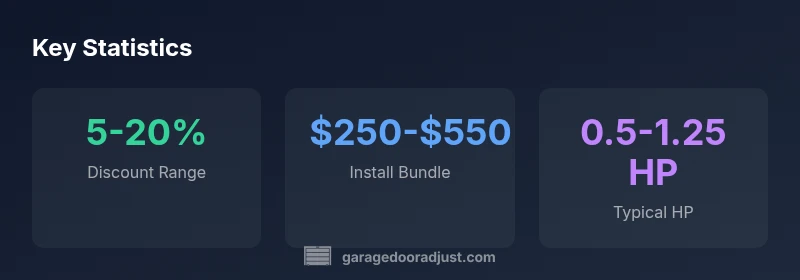
During a garage door opener sale, expect price reductions generally ranging from 5% to 20% off MSRP, with larger discounts on higher-end models or bundled packages that include installation and accessories. Look for sales that include or pair with professional installation, a solid warranty, and compatible smart features. Always verify compatibility with your current door and opener remotes before purchase.
Why a Garage Door Opener Sale Matters for Homeowners
A garage door opener sale is more than just a moment to grab a discounted unit. For homeowners, a well-timed sale can mean meaningful long-term value, especially when paired with professional installation and an extended warranty. The GarageDoorAdjust team has found that shoppers who plan ahead—matching the right opener type to their door, budget, and noise tolerance—often achieve better performance and reliability than those who buy on impulse. In 2026, the emphasis is less on the lowest sticker price alone and more on total cost of ownership, including maintenance, energy use, and integration with smart home ecosystems. When you buy during a sale, you should weigh whether the model supports backup power, battery backup for outages, and compatibility with your existing opener remote controls. Brand reliability and post-purchase service are also crucial, as surges and price drops can accompany rapid market changes.
From a homeowner’s perspective, the goal is to balance price, performance, and longevity. According to GarageDoorAdjust, a sale that includes installation and an extended warranty often yields better value than a pure discount on the unit. Taking time to compare bundles, read the fine print on warranties, and confirm the required clearance and track alignment before purchasing will prevent costly reinstallations or compatibility issues down the line.
Understanding Opener Types and How Sales Apply
Sales can influence the attractiveness of different opener technologies, but not all types benefit equally from discounts. Belt-drive openers are typically the quietest and are favored in attached garages; they usually command a premium, yet many sales still offer meaningful savings on these models. Chain-drive openers are robust and often the most budget-friendly option during promotions, but they tend to be louder. Screw-drive models sit in between on price and noise, with fewer model varieties but solid performance. When evaluating a sale, consider the drive type in relation to your garage’s noise tolerance, ceiling height, and the existing track configuration. A sale that bundles installation, new remotes, and safety sensors can tilt the overall value in favor of a more expensive belt-drive option if you’ll benefit from reduced noise and smoother operation in daily use. Our analysis emphasizes matching the chassis to your door weight, frequency of use, and climate where you live, since harsh conditions can impact motor longevity.
For the data-driven homeowner, a critical takeaway is that some sales emphasize promotional bundles rather than deep discounts on the unit itself. By focusing on total cost of ownership, you’ll identify whether a belt-drive, chain-drive, or screw-drive opener provides the best balance of price, performance, and maintenance requirements in your particular home.
What to Look for in a Sale: Features that Maximize Value
A successful sale isn't just about price; it’s about the value you gain relative to your needs. Key features to prioritize include a reliable battery backup to stay functional during outages, an automatic reversing mechanism, and modern safety sensors that protect curious pets and children. Wi-Fi connectivity and smart-home integration offer convenience, but they also require ongoing firmware updates and potential subscription considerations. In a sale, look for offers that include universal remotes, a one-year service plan, or warranty extensions, as these add long-term protection without hidden costs. Energy efficiency matters too: models with efficient motors and smart scheduling can reduce electricity use during peak hours. Throughout this section, GarageDoorAdjust’s research highlights the importance of compatibility with existing track and rails, as well as ensuring that the unit is appropriately sized for your door. If a sale includes professional calibration and lubrication, you’ll likely enjoy smoother operation and fewer service visits over the life of the opener.
When evaluating features, create a short checklist: backup power, sensor integrity, install support, compatibility with your door’s weight, noise level, remote versatility, and the warranty depth. A thoughtful buyer uses this list to compare offers quickly and avoid overpaying for features they won’t use.
How to Compare Offers: Strategies for Getting the Best Deal
To maximize value during a garage door opener sale, compare both the unit price and the total installed cost. Ask retailers for a complete quote that itemizes the opener, installation, track alignment, remote controls, and any required safety upgrades. Look for bundled packages that include installation, remote pairing, and a maintenance plan—these often yield better long-term value than standalone units. Don’t overlook the importance of a robust warranty; a longer warranty from a reputable installer can save money and reduce risk in the event of a faulty motor or sensor misalignment. Timing matters too: seasonal promotions, end-of-quarter pushes, or promotions tied to national sale events can provide more substantial savings than random promotions. Always verify that the quoted price locks in and that the retailer will honor it if MSRP changes before installation. Finally, compare energy and noise ratings; a quieter belt-drive option may justify a higher upfront price if it aligns with your needs and household routine.
A practical approach is to build a mini-dossier for each candidate model, including price, warranty terms, installation details, and a quick field test plan you can perform when the unit is installed. This method helps you choose the best-value option without getting overwhelmed by sales language.
Installation, Compatibility, and Timing: When to Buy
Timing your purchase around a sale is important, but so is ensuring compatibility with your current system. If you currently have an older opener, confirm whether your new model uses the same remote protocol and whether your door’s safety sensors still meet code. Some sales offer upgrades to remote pairing, additional remotes, and compatibility with voice assistants like Alexa or Google Home; ensure that your home network can support the added devices securely. If you’ve never installed a garage door opener before, consider professional installation as part of the sale. The installation process involves mounting the opener to the ceiling, attaching the rail system, calibrating the sensors, and testing the auto-reverse feature. A good installer will verify track alignment, balance, and safety features while explaining maintenance steps you should perform regularly—lubricating moving parts and checking sensors. From a budgeting standpoint, plan for potential add-ons such as battery backups, smart keypad integration, or weather sealing. The key is to align your needs with the sale’s bundled offers to maximize long-term value rather than chasing the deepest discount on a model that will fail to meet your daily requirements.
Common Pitfalls in Garage Door Opener Sales and How to Avoid Them
Sales can attract a mix of legitimate promotions and cleverly marketed upsells. A common pitfall is buying a model that looks cheap but lacks essential safety features or has limited compatibility with future remote apps. Another risk is choosing a unit without an installation plan, which often leads to increased final costs due to improper alignment or inadequate calibration. Hidden fees may surface after the sale, such as additional labor charges for track adjustments or door balancing. Always request a written quote with a detailed breakdown, including any warranties, service charges, and the exact model numbers. Finally, beware of counterfeit remotes or non-standard batteries that void warranty coverage. By staying vigilant, you can ensure you’re paying for real value and not a price tag that looks attractive but fails to perform when you need it most.
Maintenance and Aftercare: Keeping Your Opener Running Strong
A sale may include a maintenance plan or recommended lubrication, which can extend the life of your opener. Regular lubrication of chain drives or belt drives reduces friction and noise, while periodic sensor checks prevent false reversals that could compromise safety. It’s wise to test the auto-reverse mechanism monthly and replace batteries in remotes and keypads as recommended by the manufacturer. If your model supports smart features, update firmware promptly and review security settings periodically to protect your home network. A proactive maintenance routine helps preserve performance and minimize unexpected service visits. As GarageDoorAdjust notes, a little ongoing care goes a long way toward extending the life of your investment and maintaining safety for all household members.
Final Steps to Lock in a Smart, Safe Upgrade
Concluding your purchase during a garage door opener sale should focus on two pillars: value and safety. Ensure the model you choose has a reputable warranty, reliable customer support, and符合 local code requirements. Schedule professional installation to ensure the system is correctly balanced and calibrated, and request a written maintenance plan. If you’re incorporating smart features, set up your network securely and update passwords to protect your devices. Finally, perform a post-install check: confirm the sensors are aligned, test the remote pairing, and verify door balance. The GarageDoorAdjust team recommends taking these steps to protect your home while enjoying the convenience of a modern opener.
Quick Recap: What to Do Next
- Identify the sale window and compare bundles.
- Check compatibility with your door and existing remotes.
- Prioritize safety features, warranty, and installation quality.
- Plan for maintenance and potential smart-home integration.
- Keep documentation and receipts for future service needs.
Comparison of common garage door opener types
| Opener Type | Typical HP | Pros | Cons |
|---|---|---|---|
| Belt-Drive | 0.5-1.0 HP | Quiet operation; smooth start; good for bedrooms above the garage | Higher upfront cost; delicate belt components |
| Chain-Drive | 0.5-1.25 HP | Durable; budget-friendly; strong for heavy doors | Louder operation; more vibration |
| Screw-Drive | 0.5-0.75 HP | Low maintenance; stable performance; simple design | Fewer model choices; moderate speed |
Got Questions?
Is it worth waiting for a bigger sale or buying off-season?
Timing can affect price and availability. Waiting for major sale events or the off-season can yield better discounts, but stock and compatibility risk increase. Compare offers over a few weeks to identify true value, not just the lowest price.
Timing can help, but always compare bundles and warranties before you buy.
Do sales apply to installation and accessories?
Many sales offer bundled installation and accessories, which can significantly reduce total cost. Ensure the quote clearly lists included items, and confirm install timing aligns with your schedule.
Yes—look for bundled installation to maximize value.
How do I know which opener type to choose?
Choose based on door weight, noise tolerance, and budget. Belt-drive is quietest, chain-drive is cost-effective, and screw-drive is low-maintenance. Use the sale to test value across these options, and verify compatibility with your door and track.
Match the drive type to your door and noise needs.
Are prices different for belt vs chain openers during sales?
Yes, belt-drive models often command higher regular prices, so sales can narrow the gap. The discount percentage may be similar, but the absolute dollar savings vary by model and retailer.
Discounts exist for both, but belt-drive savings may feel larger due to higher base price.
What warranties should I expect with discounted openers?
Look for at least a two-year manufacturer warranty on the motor and a separate installation warranty. Some sales include extended warranties or service plans; read the terms carefully before committing.
Check motor and installation warranties carefully.
Can I upgrade to smart features later if I buy during a sale?
Many systems support later expansion, but some integrations require compatible hubs or remotes. If future upgrades matter, choose a model designed for easy expansion and confirm compatibility with your existing network.
Yes, but check compatibility before you buy.
“A smart sale is not just about a lower sticker price, but about the total package: warranty, installation quality, and long-term reliability.”
Quick Summary
- Prioritize value over price alone during sales
- Check compatibility, warranty, and installation inclusions
- Choose the drive type that fits your noise and use profile
- Bundle deals often offer better total value
- Secure home Wi-Fi and firmware updates for smart features