How to Prevent Garage Door Springs from Breaking
Learn how to prevent garage door springs from breaking with a practical maintenance plan: inspection, lubrication, hardware checks, and when to call a pro. GarageDoorAdjust


This guide helps homeowners prevent garage door springs from breaking by focusing on safe inspection, balanced setup, regular lubrication of non-spring components, hardware tightening, and annual professional checkups. Key steps: disconnect power, inspect torsion springs for wear, test door balance, lubricate tracks and pulleys, tighten brackets, and schedule a pro inspection every year.
Understanding garage door spring systems
In most residential setups, two main types of springs handle the lifting load: torsion springs mounted above the door and extension springs along the sides. Torsion springs store energy by winding tight as the door lowers, then released to help lift it. Extension springs stretch along the tracks, providing assist as the door opens or closes. Understanding these differences is essential when planning maintenance because each type has unique wear patterns and safety considerations. According to GarageDoorAdjust, recognizing the difference between torsion and extension springs helps homeowners tailor maintenance without unintentionally stressing the system. The core idea is that springs are under high tension and any work that alters that tension should be left to professionals unless you are trained and equipped for that specific task. Routine non-spring maintenance—like tracks, rollers, and hardware—has a direct impact on spring life because it affects balance and smooth operation.
Why spring wear happens and what to watch for
Springs wear out from repetitive cycles, temperature changes, rust, and degraded hardware. Over time, small cracks can form at the ends of torsion springs, and cables or rollers can become misaligned, increasing stress on the springs themselves. Signs of excessive wear include visible rust, bending, or a metallic creak during operation. Misalignment or unbalanced doors place uneven load on springs, accelerating fatigue. Regularly auditing the system for even door movement and listening for unusual noises can reveal issues before a spring fails catastrophically. GarageDoorAdjust analysis shows that proactive attention to balance and lubrication can significantly reduce abrupt spring failures, especially in climates with wide temperature swings.
Preventive maintenance you can schedule
A proactive maintenance plan targets the parts that interact with springs, not the springs themselves. Start with a simple annual inspection by a qualified technician, then perform quick monthly checks on tracks, pulleys, cables, and brackets. Clean the track surfaces to remove dust and debris that can hinder smooth movement. Apply a silicone-based lubricant to bearings, rollers, and pivot points, avoiding spray on the spring body itself unless the manufacturer explicitly allows it. Reset any misaligned components and ensure the door is balanced so it stays in place when opened halfway. A consistent routine reduces stress on springs and lengthens their service life.
Safe handling and safety practices for homeowners
Never attempt to unwind or modify torsion or extension springs yourself unless you have professional training and proper equipment. Springs are under extreme tension and can snap with violent force. If you notice a sudden change in door movement, unusual vibrations, or a visible crack in a spring, stop using the door and contact a licensed technician immediately. When performing any maintenance, unplug the garage door opener, clamp the door in the fully open position, and keep kids and pets away. Wear eye protection and gloves to reduce injury risk from sharp components or spring debris. The safest approach for most homeowners is to limit DIY work to tracks, rollers, and hardware checks while leaving spring-related tasks to pros.
Signs of wear: how to inspect for potential spring failure
Regular visual checks can catch a potential failure early. Look for frayed cables near the spring area, rust or discoloration on any spring segment, gaps near end bearings, or missing parts in the mounting hardware. Listen for loud metallic noises during operation, which may indicate bearing wear or misalignment contributing to spring stress. If you observe any of these signs, schedule a professional assessment promptly. Quick detection of wear helps prevent a sudden spring break and the risk of door damage or personal injury.
When to replace the springs versus adjust or tighten components
Spring replacement is a specialized task that must be performed by a licensed technician. DIY attempts to adjust or unwind springs can lead to severe injuries or door failure. If a professional determines the springs are near the end of their service life, plan for replacement rather than temporary fixes. Always replace springs in matched pairs when applicable and ensure the entire system is rebalanced after any spring work. A pro can also verify track alignment, cable tension, and balance to prevent future stress on the springs.
Long-term maintenance habits to maximize spring life
Adopt a scheduled maintenance routine that includes yearly professional inspections, quarterly checks of hardware, and clean lubrication of moving parts (excluding the spring body unless the manufacturer specifies). Maintain good door balance by keeping brackets securely tightened and tracks clean. Record the maintenance dates and any observed issues to detect patterns over time. Consistent care reduces unexpected loads on springs and helps the system operate smoothly for years.
Tools & Materials
- Safety goggles(ANSI-rated to protect eyes from debris and possible spring recoil.)
- Work gloves(Grip and protect hands, avoid pinch points.)
- Ladder or stable step stool(Access tracks and hardware safely.)
- Allen wrenches / hex keys(For adjusting brackets and screws on tracks.)
- Silicone-based lubricant(Lubricate bearings, pulleys, and tracks; avoid springs unless specified.)
- Rags or shop towels(Clean surfaces before lubrication.)
- Cordless drill (optional)(For faster tightening of bolts; use cautiously.)
Steps
Estimated time: 60-90 minutes
- 1
Disconnect power and secure the door
Before any inspection, unplug the garage door opener and secure the door in the open position using clamps or locking pliers. This eliminates the risk of the door moving unexpectedly while you work.
Tip: Use locking pliers on the track to keep the door reliably open. - 2
Inspect visible hardware from a safe distance
Look for loose mounting brackets, bent tracks, frayed cables, corrosion, or loose fasteners. Do not touch springs while the door is loaded or tensioned.
Tip: Use a flashlight to reveal dust and corrosion in hard-to-see areas. - 3
Test door balance manually
With the opener unplugged, lift the door about one-third of the way and gently release. If it drifts, is slow to rise, or falls, the balance is off and may put extra stress on springs.
Tip: If balance is off, do not force adjustments—schedule a professional assessment. - 4
Lubricate non-spring components
Apply silicone-based lubricant to bearings, hinges, rollers, and tracks. Wipe away excess lubricant to prevent dust buildup.
Tip: Do not spray directly on springs unless the manufacturer instructs you to; improper lubrication can attract dust and create resistance. - 5
Tighten loose hardware
Check and snug track bolts, door brackets, and anchor screws. Loose hardware can create misalignment, causing uneven spring load.
Tip: Use the right-size wrench to avoid rounding nuts; avoid over-tightening, which can deform components. - 6
Set up a maintenance schedule
Create a calendar reminder for an annual professional inspection and quarterly DIY checks of tracks and hardware.
Tip: Keep a maintenance log with dates and observations to spot long-term trends. - 7
Call a professional for spring-related tasks
If you suspect spring wear, misalignment, or any unusual movement, contact a licensed technician for a proper assessment and possible replacement.
Tip: Document symptoms (noise, movement, weight) to share with the technician.
Got Questions?
Can I prevent my garage door springs from breaking?
While you cannot stop wear entirely, you can reduce failure risk with regular inspections, proper lubrication of non-spring components, and timely professional assessments. Address signs of wear early to prevent catastrophic failure.
You can reduce risk with regular inspections, proper lubrication, and timely professional assessments. Watch for wear signs and contact a pro if you notice issues.
Is lubrication recommended for torsion springs?
Do not apply heavy lubricant directly to torsion springs unless the manufacturer specifies. Lubricate bearings, pulleys, and tracks to reduce friction in the system without compromising spring tension.
Lubricate bearings, pulleys, and tracks only, unless your manufacturer says otherwise. Do not spray springs themselves unless directed.
How often should I have my springs inspected?
Schedule a professional inspection annually. In between, perform a quick homeowner check of tracks, hardware, and balance to spot obvious problems early.
Aim for yearly professional checks plus simple monthly inspections of tracks and brackets.
What are signs that springs may fail soon?
Look for visible rust or cracks on springs, frayed cables, gaps at mounting points, and unusual noises during operation. If you notice these, call a pro promptly.
Rust, cracks, frayed cables, or unusual noises mean you should call a professional soon.
Can I replace springs myself?
Spring replacement is dangerous and should be performed only by licensed technicians. DIY attempts can cause severe injuries and door damage.
Springs are hazardous to handle. Get a licensed technician for replacement.
How can I tell if my door is properly balanced?
With the opener unplugged, lift the door about one-third of the way. If it stays in place or moves smoothly with minimal effort, it's likely balanced. If it drifts or fights you, balance may be off.
Test the door balance by lifting it manually; if it drifts, call a pro.
What maintenance helps extend spring life most?
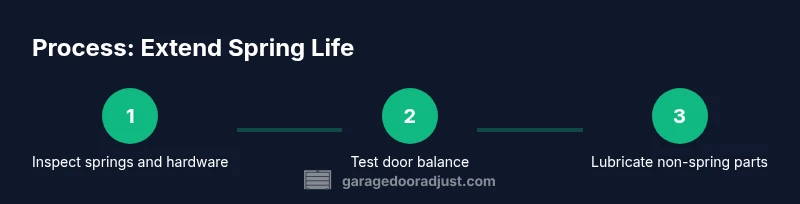
Regular professional inspections, timely tightening of hardware, and lubrication of non-spring components are the most impactful steps. Avoid DIY spring work to prevent injuries.
Annual checks and safe lubrication of non-spring parts extend spring life; avoid DIY spring work.
Watch Video
Quick Summary
- Inspect springs and hardware annually
- Keep door balanced to reduce spring stress
- Lubricate non-spring moving parts only
- Avoid DIY work on springs; hire a pro
- Document maintenance for trend monitoring