Shatter Garage Door: Safety, Diagnosis, and Repair
Learn how to safely handle a shatter garage door, assess damage, replace glass panels, and restore operation with a clear, step-by-step approach from GarageDoorAdjust.


This guide helps you safely manage a shatter garage door, prevent injuries, and restore function. You'll learn to stop the door, isolate the broken panel, assess structural damage, replace the glass panel, lubricate moving parts, test the opener, and verify safety features. No prior experience required; follow step-by-step instructions today.
What does it mean when a garage door shatters?
A shatter garage door usually involves a glass panel breaking within a sectional door that uses glass inserts. It can also describe a door with laminated or tempered glass that has cracked into shards. In either case, the risk remains high: sharp glass shards can cause cuts, and a damaged panel may alter the door's balance, creating unpredictable movement when the opener runs. According to GarageDoorAdjust, a shatter garage door often results from an impact (such as a vehicle backing into the door, hail, or a falling object) or from a flaw in the glass that worsens over time. Distinguishing between a single shattered panel and a door with multiple cracked panes is essential; some replacements are doable without removing the entire door, while others require more extensive work. Treat the area as hazardous and limit access until it is secured.
Immediate safety steps you should take
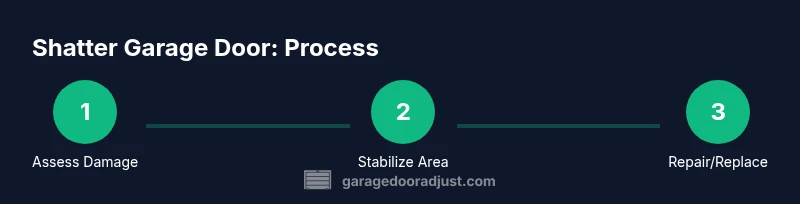
- Stop using the door and disconnect power to the opener (unplug or switch off at the wall) to prevent unexpected movement. 2) Keep people and pets away from the door and avoid touching broken glass. 3) If the opening is exposed, cover it with sturdy plywood or a rigid panel from the outside to deter weather intrusion and prevent further shards from falling inside. 4) Wear protective gear: gloves, safety glasses, and closed-toe shoes before handling anything around the damaged area. 5) If you must move vehicles or operate the door briefly, do so only by using the manual release and guiding the door slowly with a second person ready to stop it. 6) After stabilization, document the damage with photos for insurance and repair planning. This guidance, echoed by the GarageDoorAdjust team, keeps safety first while you plan repairs.
Assessing structural damage and evaluating repair options
Damaged glass panels are the most visible issue, but a shattered door often includes frame, track, and spring components that may be compromised. Inspect the tracks for dents, misalignment, or obstruction, and check rollers, cables, and hinges for wear or fraying. A door that sits unevenly, makes unusual noises, or binds when moved by hand is a red flag that a professional should evaluate the entire system. If the frame around the glass shows cracking, warping, or fastener loosening, you risk further damage if you attempt a DIY panel swap. In contrast, a single intact frame with one cracked pane might allow a panel replacement, preserving most of the door. By approaching the problem methodically, you can separate immediate safety needs from longer-term repairs. GarageDoorAdjust notes that the most cost-efficient option often depends on panel size, door type, and whether the door’s balance and safety sensors are still functional.
Replacing shattered glass panels: DIY feasibility and materials
DIY replacement is only advisable if you have the right glass type, accurate measurements, and a stable door condition. Many residential doors use tempered or laminated glass that requires precise handling and safety precautions. Start by measuring the opening: height, width, and the panel thickness. Source a replacement panel from a reputable supplier; ensure the pane matches the door’s insulation and UV glass specifications. Remove the broken panel carefully with protected hands and place glass fragments into a sturdy container for disposal. Install the replacement panel with correct hardware and align it with the track and frame before reattaching. If the door is under tension due to a faulty spring or track misalignment, stop DIY work and hire a pro—an improper replacement can cause serious injury or further property damage. In many cases, door manufacturers require professional installation for glass panel replacements to maintain warranty coverage. The safer route is to contact a licensed contractor for precise measurements and installation. The GarageDoorAdjust team consistently recommends prioritizing safety and proper fit over speed when glass is involved.
Temporary stabilization and weatherproofing
While arranging a permanent replacement, stabilize the door to prevent uncontrolled movement. Use clamps or braces rated for garage doors to hold the bottom section in place and prevent it from crashing down. Seal the damaged opening with a plywood patch or heavy-duty plastic sheeting taped securely around the edges to keep out rain and debris. Ensure the patch does not interfere with any safety sensors or blocking devices. If you notice any drafts or moisture seepage, add a second layer of protection and check that the patch does not create a tripping hazard or obstruct the door’s path. These temporary measures reduce injury risk and protect belongings until a professional can complete the repair. Recall that temporary fixes are not a replacement for proper panel replacement or door realignment, but they help manage the situation safely in the short term.
Working with a professional: choosing the right contractor
When you have a shattered garage door, a professional assessment is essential. Start by asking for license and insurance proof, then request a written estimate that itemizes glass panel replacement, frame repair, track realignment, and sensor testing. Ask about the door’s warranty status and whether the proposed solution preserves or voids it. A qualified contractor will inspect the springs, tracks, and balance to determine if a full door replacement is necessary. Check references and recent projects, and verify that the team can provide proof of safety training and proper disposal of broken glass. For homeowners, clear communication about timeline, cost expectations, and the steps involved helps avoid surprises. GarageDoorAdjust analysis indicates that cost variability comes from door type, panel size, and the complexity of repairs; a professional will help you weigh the options and select a solution that maintains safety and functionality.
Cost considerations and insurance implications
Costs for replacing a shattered glass panel or entire door vary widely based on door type, panel size, and the extent of structural damage. Because specific prices depend on many factors, it’s important to obtain multiple quotes and to ask for a breakdown of parts and labor. Review whether your homeowner insurance covers glass damage and what documentation is required for a claim. Keep receipts and take photos of the damaged area before and after repairs to support any insurance submission. GarageDoorAdjust’s 2026 analysis suggests that homeowners who plan ahead—by knowing panel dimensions, confirming warranty coverage, and choosing energy-efficient glass—often secure more favorable outcomes and shorter repair timelines.
Preventive maintenance to reduce future risk
Regular maintenance reduces the likelihood of shattering events and extends the life of your door. Schedule periodic inspections of torsion springs, cables, rollers, and tracks; lubricate moving parts with manufacturer-recommended lubricants; and check the panel seals for wear. If your door includes glass panels, avoid placing heavy objects near it and remove any potential strike hazards in the garage that could cause impact. Keep the door balanced and aligned by testing it manually every few weeks and adjusting tension as needed. Routine maintenance helps catch issues before they escalate into safety hazards and costly repairs. The GarageDoorAdjust team recommends annual checks with a qualified technician to ensure that all components function correctly and that safety features are working as intended.
Documentation, warranties, and next steps
After completing the repair, save all receipts, warranty registrations, and inspection reports. Confirm that the door’s safety reverse mechanism and photo-eye sensors operate properly by conducting the standard test: place an object in the door’s path and verify that the opener stops and reverses. If anything alarms or remains misaligned, contact your installer for a recheck. Having comprehensive documentation improves your odds in warranty or insurance discussions and helps maintain accurate service records for future maintenance.
Tools & Materials
- Safety glasses (ANSI-rated)(Protect eyes from glass shards)
- Cut-resistant gloves(Prevent cuts when handling glass)
- Heavy-duty work gloves(Extra protection during removal)
- Closed-toe shoes(Protect feet from dropped glass)
- Plywood panel or rigid board(Temporary cover for the opening)
- Masking tape and duct tape(Seal patch edges and secure panel)
- Measuring tape(Accurate panel dimensions)
- Pliers and screwdriver set(Remove fasteners and fixtures)
- Utility knife(Trim to fit patch as needed)
- Vacuum or broom for glass shards(Clean up safely and prevent injuries)
- Container with lid(Dispose shards securely)
- Ladder(Access higher sections safely)
- Cordless drill with bits(If you reattach hardware)
Steps
Estimated time: 60-120 minutes
- 1
Secure area and disable power
Locate the door’s manual disconnect and unplug the opener. Keep children and pets away from the damaged area and avoid touching glass shards. This protects you from unexpected door movement and reduces injury risk.
Tip: If the door is unstable, support the bottom panel with a temporary brace before attempting any further steps. - 2
Assess immediate damage
Visually inspect for loose tracks, bent rollers, frayed cables, and any sign of frame damage. Note which panels are affected and whether the glass is loose or shattered. Document with photos for insurance and repair planning.
Tip: Do not attempt to move the door by hand if you notice sagging rails or damaged springs. - 3
Stabilize and cover the opening
Apply a sturdy plywood patch over the opening from the outside and tape edges to seal. The patch should extend beyond the damaged area to prevent wind from catching; ensure it does not interfere with the door’s sensors.
Tip: Choose a patch at least as wide as the damaged panel for better protection. - 4
Document and plan replacement
Take clear photos of each damaged area and measure panel dimensions. Verify whether you need a single-panel replacement or a larger section, and contact suppliers or professionals for an accurate quote.
Tip: Have your door model and panel dimensions handy when you call for quotes. - 5
Decide on DIY vs professional replacement
If the door’s frame and springs are unaffected, replacing a glass panel may be feasible for experienced DIYers. If there’s any doubt about spring tension or track integrity, hire a pro to avoid injury or property damage.
Tip: Prioritize safety: never compromise on spring tension or sensor alignment. - 6
Arrange replacement and test safety features
Schedule panel replacement or full-door service with a licensed contractor. After installation, test the door’s auto-reverse feature and photo-eye sensors to confirm proper operation.
Tip: Request a written warranty for the panel and any associated hardware. - 7
Finalize repairs and restore operation
Ensure doors open and close smoothly, with no unusual noises. Re-torque fasteners if required and verify that the door remains balanced when moved manually.
Tip: Keep documentation in a ready-to-access location for future maintenance.
Got Questions?
Is it safe to drive through a garage door that has shattered glass?
No. A shattered door glass and possible structural damage can cause sudden door movement, fall hazards, and serious injuries. Do not attempt to drive through or operate the door until a professional has assessed and secured the opening.
No, don’t drive through a door with shattered glass. Have a professional assess and secure it first.
Can I replace the glass panel myself, or should I hire a pro?
DIY is possible only if you’re experienced with glass panels and door springs. If you’re unsure about panel size, frame integrity, or spring tension, hire a licensed technician to prevent injury and warranty issues.
DIY is only for experienced folks; otherwise call a professional for safety and warranty reasons.
Will a shattered panel affect door balance?
Yes, a damaged panel or misaligned frame can influence the door’s balance and make the opener work harder. A professional should check springs, tracks, and cables to restore proper balance.
Damaged panels can disrupt balance; professional inspection is recommended.
What if the door won’t stay open after breakage?
That typically indicates a problem with springs, tracks, or hinges. Do not force the door; contact a pro to inspect and repair to avoid further damage or injury.
If it won’t stay open, get a professional check immediately.
How long does a replacement typically take?
Time varies with panel availability and door type. Expect a few hours to a full day for parts, scheduling, and installation.
It can take a few hours to a day, depending on parts and scheduling.
When should I replace the entire door instead of a panel?
If multiple panels are cracked, the frame is warped, or sensors are damaged, replacing the entire door may be more cost-effective and safer in the long run.
If many panels are damaged or the frame is compromised, consider full-door replacement.
Watch Video
Quick Summary
- Secure the area and disable power before any inspection.
- Document damage and obtain expert assessment for safety.
- Weigh DIY replacement against professional service for glass panels.
- Use temporary weatherproofing to protect the opening while planning repairs.
- Verify safety sensors after any repair and keep thorough records.