Garage Door Glass Replacement: A Step-by-Step Guide
Learn to safely replace a cracked garage door glass panel with a step-by-step homeowner guide. Includes safety tips, tool list, installation steps, and maintenance for a durable, secure door.


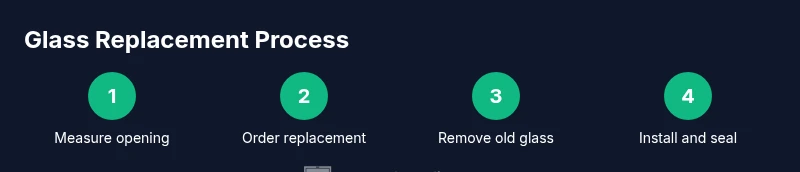
By following this guide, you will safely replace a cracked or cloudy garage door glass panel and restore both appearance and protection. The process covers obtaining the correct panel, removing the old glass, installing the replacement with proper glazing, and testing door balance. Before you begin, gather safety gear, measure carefully, and work with a helper for handling large panes.
What to Know About Glass Type and Size
Garage door glass panels are typically tempered safety glass or laminated panels. Tempered glass is strong and shatters into small, dull pieces, reducing injury risk, but it can still be dangerous when broken. Laminated glass uses two glass layers with a plastic interlayer, helping hold shards together. When replacing, check the existing panel for labeling or stamps that indicate thickness and type. Most residential doors use panels around 1/4 inch to 3/8 inch thick; the exact thickness depends on the door model and frame. For replacements, you should order a snug fit with the same thickness and edge profile as the original panel. If your door uses tempered glass, plan for safe handling, as tempered glass can crack unexpectedly if mishandled. In many cases, a custom-cut panel from a local glass shop is the most reliable option. Always verify the replacement panel’s dimensions against the frame before ordering. A mismatch can compromise the door’s balance and seal, and may void warranty coverage. In addition to glass type, assess the frame condition. A corroded or cracked frame can cause improper glazing and premature failure, requiring frame repair or replacement before installing new glass.
Tools and Safety Essentials
Preparation sets the stage for a safe, clean replacement. First, unplug the garage door opener and disconnect the emergency release chain if your door is powered, to prevent unexpected movement during glazing. Clear the area of children and pets. Wear heavy-duty gloves and safety glasses; long sleeves protect skin from sharp edges. Gather the essential tools: a measuring tape, a straightedge, masking or painter’s tape, and a non-marring putty knife. You’ll also need a replacement glass panel cut to size, plus glazing points or clips that match your frame. For extra safety, use suction cups or a glass lifter when handling large panels to distribute weight evenly. Have sealant or glazing compound ready to seal the edges and a silicone-based sealant can help improve weather-tightness. If your door uses metal or vinyl frame gaskets, inspect them for wear; replace any damaged gaskets to ensure a proper seal. Finally, keep a bucket of clean rags and a small vacuum handy to clean up any shards promptly after removal. This preparation reduces the risk of injury and helps the installation go smoothly.
Removal of the Old Glass Panel
Begin by removing the screws or fasteners around the frame that hold the panel in place. Use the appropriate screwdriver to avoid stripping head surrounds. With the frame loosened, support the glass with your gloved hands or with suction cups, and gently lift the panel straight out to prevent twisting. If the pane is cracked, place protective tape over the surface and calmly work to avoid shifting shards. Set the old panel on a soft, flat surface to prevent further breakage. Inspect glazing points or clips; if they’re bent, replace them. Wipe down the frame interior, remove old glazing compound, and note where edges were seated. Take precise measurements of the opening and note any variations across width and height, as those discrepancies affect the fit of the replacement. If you encounter a difficult edge or corner, pause, re-secure your grip, and proceed with extra care. Remember, never stand directly beneath the panel while removing it; support pieces with a helper or clamp to prevent sudden drops.
Installing the Replacement Glass
Have the replacement glass panel cut to size with a slight clearance for expansion, and verify its thickness matches the frame. Place the panel into the frame, starting at one edge and aligning with the edge beads or grooves. Use masking tape along the frame to hold the panel temporarily as you position glazing points or clips. Fasten the points or clips at regular intervals around the perimeter, making tiny adjustments to keep the pane square. Apply a bead of glazing compound or silicone along the edge to seal against moisture. Gently press the edges to seat the glass and wipe away excess sealant before it cures. If your frame has a weather seal, tuck it back into place so the glass sits evenly. Recheck alignment by closing the door slowly and observing whether the panel sits true within the opening; if not, remove and adjust before fully seating. Finally, reinstall any trim or stops that hold the glass in place. This step ensures a secure, weather-tight installation that resists wind pressure and temperature changes.
Final Safety Checks and Maintenance
With the glass installed, restore power to the opener and test the door balance by manually lifting the door and using the opener. If the door feels heavy or pulls to one side, track alignment or spring tension may be off and should be corrected by a pro. Check the track for debris and ensure it runs smoothly. Verify that all glazing points or clips are secure and that there are no gaps at the edges. Clean the glass by wiping with a soft cloth and mild detergent designed for glass; avoid abrasive cleaners that could scratch the surface. Inspect the weather seal around the panel and replace damaged gaskets to prevent drafts. Keep the area clean and dry, and store extra glazing points for future maintenance. Finally, recheck the door’s operation over several cycles, listening for unusual noises or sticking. If any cracks appear or the glass feels loose, stop immediately and consult a professional. Regular inspection every 6–12 months can extend the life of the replacement panel and enhance safety.
Tools & Materials
- Replacement glass panel (tempered or laminated)(Have shop cut to size with a small clearance and confirm thickness matches the frame.)
- Heavy-duty gloves(Cut-resistant recommended for handling glass.)
- Safety glasses(Wear for eye protection during removal and installation.)
- Measuring tape(Measure opening width and height at multiple points.)
- Masking tape or painter’s tape(Hold the panel in place temporarily during fitting.)
- Glazing points or clips(Match the frame’s existing glazing system.)
- Glazing compound or silicone sealant(Seal edges to prevent moisture ingress.)
- Caulking gun or applicator(Apply sealant evenly along the frame edge.)
- Screwdrivers (Phillips and flat-head)(Remove and install frame screws without stripping heads.)
- Suction cups or glass lifter (optional)(Helpful for handling large panes safely.)
Steps
Estimated time: 60-90 minutes
- 1
Measure and order replacement glass
Before touching the door, measure the opening at the widest points to determine the required panel size. Contact a local glass shop and specify thickness, edge profile, and any beveling. Order a panel with a small clearance to allow for expansion and frame tolerances. If unsure, bring the old panel for exact matching. Pro tip: double-check measurements at three different locations and record the smallest dimensions for accuracy.
Tip: Double-check measurements at three locations to catch irregular openings. - 2
Power down and prep workspace
Unplug the garage door opener and secure the door in the closed position. Clear the area of people and pets, lay down a drop cloth, and wear protective gear. Gather your tools and a helper to assist with handling the glass. Pro tip: keep a flashlight handy for low-light corners and a clean rag ready to wipe edges as you work.
Tip: Have a helper ready to support the panel during removal and installation. - 3
Remove old panel safely
Loosen and remove the frame screws or fasteners that hold the panel. Support the panel with gloves or suction cups and lift straight out to avoid bending or twisting. If the pane is cracked, apply protective tape and handle with extreme care. Place the old panel on a padded surface and inspect glazing points for damage. Pro tip: avoid working beneath the panel without support, as glass can drop unexpectedly.
Tip: If cracked, use tape to control shards and prevent injury. - 4
Prepare replacement glass and frame
Clean the frame seats and check for corrosion or damage. Dry-fit the new panel in the frame to ensure a smooth seating. Install glazing points or clips at regular intervals without overtightening. Apply a light bead of glazing compound to seal the edges before final seating. Pro tip: pre-fit without sealant to verify fit before committing.
Tip: Pre-fit the panel to confirm fit before applying sealant. - 5
Install replacement glass and secure
Carefully place the glass into the frame, aligning with grooves or beads. Secure with glazing points or clips, working slowly to keep the pane square. Apply sealant along the edge and wipe away excess before it cures. Reinstall trim or stops to hold the glass firmly in place. Pro tip: don’t rush—small misalignments can tilt the panel and affect balance.
Tip: Secure points evenly to keep the glass square. - 6
Seal, test, and finalize
Reconnect power to the opener and perform several smooth operation cycles. Check track alignment, balance, and ensure the door seals evenly. Inspect the seal around the new panel for gaps and reseal if necessary. Pro tip: if any wobble or unusual noise occurs, stop and reassess before continuing.
Tip: Test the door over multiple cycles to confirm stability.
Got Questions?
Do I need to hire a professional to replace garage door glass?
DIY replacement is possible for standard frames with tempered or laminated panels, but frame damage or heavy springs should be handled by a professional. When in doubt, consult a pro to avoid injury or further damage.
DIY can work for simple frames, but consult a professional if the frame or springs seem compromised.
What safety gear should I wear for this task?
Wear heavy-duty gloves and safety glasses at a minimum. Long sleeves and closed-toe shoes add protection, and keep kids and pets away from the workspace.
Always wear gloves and safety glasses, and keep others away from the area.
How do I measure the replacement panel accurately?
Measure the opening at multiple points (top, middle, bottom) and use the smallest width and height. Communicate exact measurements to the glass shop and request a snug fit with a small clearance.
Measure in a few spots and use the smallest dimension for the replacement.
What if the frame is damaged or corroded?
If the frame shows corrosion, bending, or warping, replace or repair the frame before installing the new glass. A damaged frame can cause misfit and leakage.
A damaged frame should be repaired or replaced before you install new glass.
Can glass be cut in place, or should it be done off-site?
Best practice is to have the glass cut to size off-site by a glass shop. Cutting on-site increases risk of misfit and injury, and tempered glass requires careful handling.
Have the glass cut to size at a glass shop to ensure accuracy and safety.
Watch Video
Quick Summary
- Measure twice, order the correct panel.
- Power down and wear safety gear before starting.
- Securely install and seal the new glass.
- Test the door for proper balance and clearance.