Hurricane-Proof Garage Doors: A Practical Homeowner’s Guide
Learn how to hurricane-proof your garage door with wind-rated designs, proper mounting, and sealants. This step-by-step guide covers assessment, upgrades, professional reinforcement, and maintenance to protect your home from high winds in 2026.


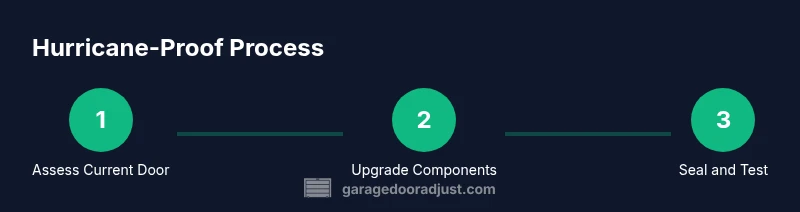
Upgrade to wind-rated components, reinforce the mounting, and seal gaps to boost wind resistance. This concise answer points to a full, safe step-by-step plan and professional reinforcement when needed. See our detailed guide for hands-on instructions.
Understanding hurricane-proof garage doors
Hurricane-proof garage doors are not just about a thicker panel. They involve the door material, the enclosure around the door, the mounting hardware, and the way the door interacts with the home's structure during high winds. In 2026, homeowners face more extreme weather patterns, making wind resistance a practical concern for most residences. Based on guidance from GarageDoorAdjust, true hurricane-proof performance comes from wind-rated components, proper anchoring, and regular maintenance. If you intend to protect your garage and its contents, start by confirming that your current door has a recognized wind-load rating or is compatible with optional reinforcement kits. This section explains the key concepts you need to evaluate before choosing upgrades or calling a pro.
First, understand that the door alone rarely suffices; the frame, tracks, jambs, and header must work together with weather-stripping and brackets. Look for three elements: a rigid mounting, sealed gaps at the bottom and sides, and a track system that can withstand rapid door movement without derailing. Hurricane-proof garage doors are designed to resist both positive and negative pressure, preventing the door from peeling away during a gust. If your current setup shows flex, creaking tracks, or loose screws, the risk of wind-driven failure increases. By recognizing these signs, you can prioritize improvements that deliver real protection during storms.
From a homeowner perspective, your plan should start with a realistic assessment, identify cost ranges (without quoting exact prices), and set a maintenance schedule. GarageDoorAdjust emphasizes that step one is documentation: photograph hinges, tracks, weather-stripping, and anchors; note any corrosion or rust; and record the door type and any prior repairs. This information helps you compare options from manufacturers and installers and ensures you are not missing critical reinforcements.
Wind-resistance design features
Wind-resistance is about how the entire system behaves under surge pressure. Hurricane-proof garage doors are built with weather-tight seals, reinforced mounting brackets, and tracks that resist deformation. Look for doors with a wind-load rating or those compatible with reinforced headers and fasteners designed for high-wind environments. Beyond the door itself, the surrounding structure—frame, jambs, foundation bolts, and anchoring—plays a decisive role. GarageDoorAdjust analysis shows that even small improvements, like upgrading weather-stripping and bracing the jambs, significantly enhance performance against gusts without adding excessive weight. Think of wind resistance as a system property, not a single component.
In practice, you want a door that closes tightly, seals against the frame, and stays securely attached during a storm. If you see air leakage at the bottom gap or a door that shifts when you operate it, these are bright red flags that warrant upgrades. The goal is to minimize pressure differentials behind the door and prevent pressure-driven failures. As you explore options, compare products that advertise wind resistance, compatibility with hurricane anchors, and serviceable weather-stripping kits.
Materials and upgrade options
Your choices range from reinforced steel or insulated panels to complete wind-rated assemblies. Steel doors offer rigidity and long life, but they must be properly anchored and supported by a solid frame. Insulated panels improve energy efficiency and may contribute to overall wind resilience by reducing flex. Aluminum panels are lightweight but may require thicker profiles and stronger bracing to achieve the same wind resistance. For hurricane-proof garage doors, you may also consider reinforcement kits that anchor the door to the wall framing, upgrade track brackets, and add header supports. Costs vary by material and scope of reinforcement, with higher-end options delivering better wind resistance and lower long-term maintenance. The critical principle is compatibility: components should be designed to work together under wind load. If you live in an area with frequent storms, investing in a certified wind-rated system and professional installation often pays off in reduced risk and faster recovery after events.
How to assess your current door and frame
Begin by verifying the door type (single panel vs sectional), assessing hinge and roller wear, and inspecting the tracks for alignment. Measure the track spacing and confirm the header is solidly anchored to structural members rather than drywall or plaster. Check weather-stripping at the bottom and sides for gaps or cracks that could allow wind-driven air to bypass the door. Test the door with a helper to ensure smooth operation and monitor for any binding, wobble, or unusual sounds. Document any rust, corrosion, or bent components, as these indicate mounting weakness. This baseline helps you prioritize upgrades and select appropriate reinforcement kits or professional services.
A practical step is to pull historical repair records and photos of prior wind events if available. Collecting this data makes it easier to obtain accurate quotes from installers and ensure you are not paying for redundant fixes. Finally, check the door’s certification label or the manufacturer’s specifications to confirm wind-resistance suitability and compatibility with reinforcement accessories. With a clear baseline, you can plan upgrades that deliver tangible performance gains during hurricanes.
Professional reinforcement: when and what to expect
Some projects require licensed professionals because they involve structural connections and high-tension components. If your door is not physically secured to the building, if the header shows signs of bending, or if the tracks pull away under load, a pro should step in. A typical professional upgrade may include reinforcing brackets, anchor bolts to the wall framing, upgrading the track system, and installing a certified wind-rated door or a compatible reinforcement kit. Expect a professional assessment to identify critical weak points, propose a tailored plan, and provide a written warranty on the work. While DIY improvements can address weather-stripping and minor alignment, major reinforcements and wind-rated conversions benefit from expert installation and inspection. GarageDoorAdjust notes that investing in professional reinforcement at the right time reduces risk and can extend the life of your system.
If you decide to pursue DIY components, ensure compatibility with existing hardware and follow manufacturer installation instructions strictly. Always disconnect the opener and secure the door before performing any work. For many homeowners, a hybrid approach—performing non-structural work themselves and leaving structural reinforcements to pros—offers a balanced path to hurricane-proof garage doors.
Maintenance and protective practices
Wind resistance is not a one-off upgrade; it requires ongoing attention. Regular maintenance helps your hurricane-proof garage doors perform when it matters. Schedule seasonal inspections to check hardware torque, tighten fasteners, and verify pulley and roller health. Keep weather-stripping flexible and intact, cleaning tracks to prevent debris buildup that could impede movement. Lubricate moving parts with a light silicone-based product to reduce friction and wear. Inspect seals at the bottom and sides for gaps, and replace worn foam or rubber as needed. Store a small inventory of replacement parts so you can respond quickly after a storm. Finally, practice a dry run: operate the door manually to confirm it remains stable and aligned after turning off the opener. These steps keep the system resilient and ready for the next storm season. If local wind events have caused structural concerns, consult a professional for a targeted assessment and any required warranty-covered repairs.
Common myths and what actually works
A frequent myth is that a thicker door alone guarantees hurricane-proof performance. The reality is that wind resistance is a system property; you need a strong frame, precise tracks, reliable springs, and weather-sealed joints. Another misconception is that DIY fixes are always safe; when high winds and heavy loads are involved, professional reinforcement is the safer path. The truth is that well-coordinated upgrades—wind-rated doors, reinforced mounting, and quality weather stripping—deliver real protection. By focusing on the full system rather than a single component, homeowners can reduce risk without overinvesting in unnecessary features. Remember that building codes and insurance requirements may influence the best approach in your area.
Tools & Materials
- Safety gear (gloves, goggles)(Protect hands and eyes; dress for the job site)
- Ladder or scaffold(Stable platform to access tracks and header)
- Wrenches and screwdrivers set(Adjust fasteners and brackets)
- Drill with bits and driver bits(Install anchors and reinforcement hardware)
- Weather-stripping kit(Seal gaps at bottom and sides)
- Reinforcement brackets or track braces(Strengthen mounting and tracks)
- Structural anchors/lag screws(Secure to structural framing, not drywall)
- Torque wrench(Ensure proper bolt tightness on critical connections)
Steps
Estimated time: 4-6 hours
- 1
Prepare safely: disconnect power and secure the door
Before any work, unplug the opener and lower the door manually to a supported position. Use clamps to hold it in place if necessary. This prevents accidental movement while you inspect and adjust hardware.
Tip: Have a helper hold the door or prop it with blocks to prevent movement. - 2
Inspect current hardware and alignment
Check tracks for bends, verify rollers move freely, and assess hinges for wear. Note any loose screws or misalignment that could worsen during high wind. Document findings with photos for quotes later.
Tip: Take close-up photos of problem areas and store them for reference. - 3
Choose upgrade path and compatible components
Decide between wind-rated door options or reinforcement kits compatible with your existing system. Ensure the chosen components are rated for your door type and match track spacing and header construction.
Tip: Consult manufacturer documentation before purchasing to avoid incompatible parts. - 4
Install reinforcement and secure mounting
Attach brackets, anchors, and braces to reinforce the door mounting and frame. Tighten fasteners to manufacturer-specified torque and verify track alignment after installation.
Tip: Re-check alignment after tightening to prevent binding. - 5
Upgrade weather-stripping and seals
Replace bottom and side seals with a high-quality kit designed for durability in wind conditions. Ensure a tight seal when the door is fully closed, and test for air leaks.
Tip: Apply sealant around openings to prevent water ingress as well. - 6
Test operation and plan maintenance
Reconnect power, test the door manually and with the opener. Listen for binding and adjust as needed. Schedule seasonal checks and have a professional inspection after major storms.
Tip: Keep a maintenance log with dates and actions taken.
Got Questions?
What makes a garage door hurricane-proof?
Hurricane-proof doors combine wind-rated components, reinforced mounting, and sealed joints to resist pressure from storms. It is the system as a whole that matters, not a single part. Local codes or manufacturers usually specify eligible configurations.
Hurricane-proofing is a system upgrade, not a single part; wind-rating, frame reinforcement, and proper sealing are essential.
Do I need wind-rated doors for my area?
In areas with frequent high winds, wind-rated doors are strongly recommended or required by code. If you cannot confirm a rating, upgrade or reinforce using approved kits and consult a professional.
Wind-rated doors are often recommended where strong winds are common; check local codes.
Can I perform reinforcement myself completely?
Some non-structural improvements can be DIY, like weather-stripping or minor alignment. Structural reinforcements and wind-rated conversions are best handled by a licensed installer to ensure safety and warranty.
DIY is okay for seals, but structural work should be left to pros.
How long does a hurricane-proof upgrade take?
A typical project ranges from a few hours to a full day, depending on the door type, required reinforcements, and access to the framing. Planning and scheduling with a pro helps avoid delays.
Most upgrades take several hours; a pro can give you a precise window.
What maintenance keeps doors hurricane-proof?
Regular lubrication, weather-stripping replacement, and annual inspections keep the system resilient. Address any squeaks, misalignment, or loose fasteners promptly to avoid wind-driven failures.
Keep up with lubrication and seals, and inspect annually.
Watch Video
Quick Summary
- Identify wind-rated options and compatibility
- Reinforce mounting to frame for wind resistance
- Seal gaps to reduce air pressure differentials
- Use weather-stripping for a tight seal in storms
- Schedule annual maintenance and inspections