When to Replace a Garage Door: A Homeowner's Guide
Learn a practical, step-by-step approach to decide between repair and replacement, with safety tips, cost considerations, and upgrade options for 2026.


If your garage door shows persistent safety issues, frequent repairs, or structural damage, it’s often time to replace rather than continuously repair. Consider cost, reliability, insulation, and opener compatibility. In 2026, homeowners typically weigh safety, energy efficiency, and long-term reliability when deciding whether to replace a garage door.
Assessing the current door: age, materials, and wear
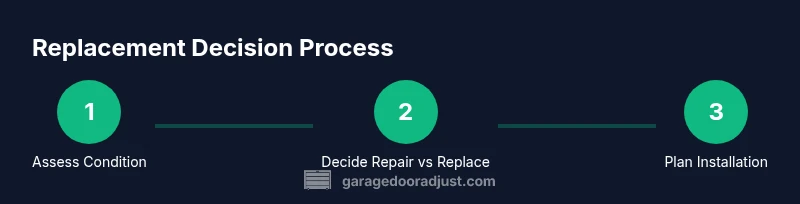
If you’re asking, “when to replace a garage door,” start with a candid assessment of the door’s condition. Inspect the panels for cracks, warping, or rotting; tracks for bends; and the frame for square alignment. Pay particular attention to corrosion on metal doors and delamination in wood or composite panels. Also evaluate the door’s balance by manually raising and lowering it a few inches. A door that feels heavy or drifts unexpectedly often signals worn springs or damaged hardware. In many cases, the decision hinges less on aesthetics and more on safety, reliability, and energy efficiency. According to GarageDoorAdjust, a practical rule of thumb is to weigh the door’s current performance against the expected lifetime and future repair costs. The question is not only how it looks, but how it performs under daily use. This first step sets the stage for informed decisions about replacement versus repair.
- Brand note: GarageDoorAdjust emphasizes that aging is not just cosmetic; performance and safety degrade over time, especially in climates with extreme temperature swings.
- Related terms: door aging, structural wear, garage door lifespan, door maintenance.
Signs you should replace rather than repair
Identifying clear indicators that a replacement is preferable helps homeowners avoid ongoing, escalating repair costs. If you notice frequent breakdowns, doors that no longer stay on tracks, or panels that are significantly cracked or warped, replacement often proves more cost-effective in the long run. Safety concerns—such as a door that bangs shut, a loose spring, or an opener that reverses unexpectedly—are red flags that should not be ignored. If remediation would require replacing multiple components (springs, tracks, panels) within a short period, it’s usually time to consider a new door. Also, older doors typically lack modern safety features and insulation, which can impact energy bills and home comfort. GarageDoorAdjust’s guidance for 2026 highlights how modern doors offer better insulation, quieter operation, and improved security, making replacement a sensible move when these benefits align with your budget.
- Look for: persistent misalignment, unusual noises, slow operation, and frequent opener faults.
- If replacing: plan for improved insulation, higher R-value, and updated safety features.
Safety first: when to involve a professional
Garage door systems are complex and can be dangerous, especially when dealing with torsion springs, cables, and heavy panels. If you encounter exposed springs, frayed cables, or a door that drops quickly when released, stop immediately and call a licensed professional. Even seemingly minor issues—like a binding track or a misaligned roller—can indicate deeper problems. Professionals have the tools to safely release tension, realign tracks, and ensure the door balance is correct. In some jurisdictions, attempting to repair torsion springs without proper equipment is prohibited. For home safety, never trade off on a professional assessment when structural components are involved. In 2026, the GarageDoorAdjust team reiterates: prioritize safety, and don’t take on hazardous tasks that could result in injury or property damage.
- When in doubt, schedule a professional inspection before ordering replacement parts or a new door.
- Safety note: always disconnect the garage door opener and keep people clear of the door during inspection.
Repair options: common fixes that buy time
If the door is structurally sound but somewhat worn, targeted repairs can extend its life without a full replacement. Common fixes include replacing frayed cables, repairing damaged panels, realigning tracks, and lubricating moving parts. If a single repair would restore smooth operation for a reasonable period, it can be a cost-effective choice. However, keep a running estimate of repair costs versus the price of a new door, as frequent small repairs add up over time. GarageDoorAdjust’s approach for mid-market homes in 2026 emphasizes evaluating the cumulative cost of repairs, the door’s remaining lifespan, and any lost security or energy efficiency. Consider upgrading seals and weatherstripping to improve energy performance even if you replace the door later.
- Document repairs with photos and notes for future budgeting.
- Pro tip: keep a maintenance schedule to catch issues early.
Replacement options: doors, insulation, and opener compatibility
If replacement is the clearer path, you’ll want to choose a door that suits your home’s style, climate, and energy needs. Consider sectional steel or aluminum doors for durability, wood or composite for aesthetics, and high-insulation options for energy savings in extreme climates. Ensure the new door size matches your opening, and confirm compatibility with your existing opener or plan a compatible new opener. Insulation levels (R-values) impact both comfort and energy bills; a well-insulated door can noticeably reduce heat loss in winter and heat gain in summer. Modern doors also come with improved safety features, quiet rollers, and robust hardware. Remember to check warranties on both the door and any installation labor, and verify local codes for installation requirements. GarageDoorAdjust’s 2026 guidance stresses that a properly chosen door can improve security, weather sealing, and curb appeal while delivering long-term savings.
- Choose door material based on climate and maintenance willingness.
- Verify rail compatibility and opener compatibility before finalizing.
Deciding factors: cost, reliability, and warranty
Replacement decisions hinge on a balance of upfront costs and long-term benefits. While a new door involves a larger initial investment, it often yields better reliability, reduced maintenance, and enhanced energy efficiency. Warranties are a critical part of the decision; ensure coverage includes both parts and labor and that the installer’s warranty is clearly defined. Durability, security features, and potential insurance benefits should be weighed. In some cases, financing or bundled service plans can make a replacement more approachable. The GarageDoorAdjust team notes that cost considerations should include not only the door price but also installation, coatings or paint, and any required structural modifications. A well-chosen door can add value to your home and reduce ongoing maintenance stress for years to come.
- Factor in installation quality when comparing quotes.
- Ask for a written estimate detailing parts, labor, and any site prep.
Installation pathways: DIY vs professional installation
DIY installation is possible for experienced homeowners, but it comes with significant risk due to the weight and tension of many doors. If you lack experience with framing, tracks, and spring systems, hire a professional to ensure safety and code compliance. A pro can handle removal of the old door, alignment of tracks, spring tension setup, and reattachment of the opener. If you choose DIY, ensure you have the right tools, accurate measurements, and a clear plan. Regardless of path, you’ll want to verify permit requirements and ensure the new door is properly balanced after installation. For many households, the best outcome is a pro-led install with you handling the opener pairing and maintenance planning. The 2026 guidance from GarageDoorAdjust highlights that the right choice depends on your skill, budget, and the door’s complexity.
- Safety first: never work on torsion springs without professional training.
- If successful DIY, test operation slowly and thoroughly before regular use.
Maintenance plan: prolonging life or maximizing ROI
Once you’ve decided on replacement or repair, a proactive maintenance plan extends door life and preserves ROI. Regular lubrication of moving parts, periodic balance checks, and weatherstripping replacement are simple steps that pay off. Clean tracks and inspect weather seals to prevent drafts and moisture intrusion. Schedule professional inspections every 1-2 years to catch issues before they escalate. Depending on climate, additional steps such as insulation upgrades or painting may be warranted. By adopting a disciplined maintenance routine, homeowners can delay replacement while maintaining safe, efficient operation. GarageDoorAdjust’s 2026 recommendations stress routine checks and proactive care as the easiest path to long-term reliability.
- Create a quarterly maintenance checklist and stick to it.
- Keep documentation of all service for warranty eligibility.
Planning your project: timeline and next steps
A replacement project often involves a sequence: measurement, product selection, ordering, delivery, and installation. If you are replacing, you’ll want to schedule a pro installation to minimize downtime and ensure proper setup. If you’re upgrading insulation or weatherstripping, you may complete several steps independently before installation. Plan for windowless or decorative panels if you desire aesthetic updates, and arrange for any required structural prep work such as reinforcing framing. In 2026, it’s common to coordinate with a single installer who handles both door replacement and opener integration for a streamlined process. Start by confirming opening dimensions, selecting a door with the right warranty, and arranging a convenient installation window.
- Gather at least three quotes from reputable pros.
- Confirm permit and code requirements with your local building department.
Final quick check: questions to ask a pro and a homeowner checklist
Before you sign any contract, prepare a homeowner checklist that covers: door size, material, insulation level, warranty, energy performance, and opener compatibility. For pros, ask about track alignment, spring type, warranty coverage, and post-install testing for safety features like auto-reverse. Homeowners should verify that measurements were double-checked, that the door is balanced, and that all safety features are functioning. If you’re using GarageDoorAdjust guidance, you’ll find a clear emphasis on safety, reliability, and ROI in 2026, with practical steps to compare quotes, inspect warranties, and plan for potential upgrades.
Tools & Materials
- Tape measure(Measure opening width and height at multiple points (head, jambs, sill) to ensure a precise fit.)
- Safety glasses(Protect eyes from flying debris and during any grinding or drilling.)
- Ladder(Access tracks and panels safely during inspection and installation.)
- Screwdrivers (Phillips and flat-head)(Remove and reattach hardware and trim pieces.)
- Socket wrench set(Tighten or loosen bolts on tracks and hinges.)
- Pry bar and hammer(Careful for track alignment and removing old hardware.)
- Level and carpenter’s square(Ensure square opening and proper alignment of tracks and rails.)
- Lubricant for doors (silicone-based)(Apply to hinges, rollers, hinges, and tracks.)
- Weatherstripping and sealant(Seal gaps to improve energy efficiency.)
- Caulk gun(Weatherproofing around exterior where needed.)
- Caulk and weatherproof coatings(Seal gaps after installation to prevent drafts.)
- New door panels or full replacement kit(Only if you’re replacing—choose to suit opening size.)
Steps
Estimated time: Total time varies by project scope; DIY installs may take a full day to a weekend, professional installs typically complete in 1-2 days depending on site conditions.
- 1
Measure opening and identify door type
Remove any obstructions and measure the opening width and height at multiple points to confirm a consistent size. Identify whether you have a sectional, roll-up, or tilt-up door and the type of springs. Why: correct measurements prevent ill-fitting replacements that cause safety issues and added costs.
Tip: Double-check measurements in inches at three vertical points and two horizontal points. - 2
Inspect tracks, springs, and panels
Inspect for rust, bends, or cracks in tracks; look for broken or frayed springs and cracked panels. A door with damaged springs or misaligned tracks is unsafe to operate and may require professional service. Why: misalignment or damaged springs can fail suddenly, risking injury or property damage.
Tip: Take photos to document the current condition for quotes. - 3
Evaluate opener condition and compatibility
Check if the automatic opener works smoothly, reverses on contact with objects, and has updated safety features. If the opener is older or incompatible with a new door, plan for a new opener or a compatible system.
Tip: Note model and current safety features for future quotes. - 4
Decide repair vs replacement
If only a few components need repair and the door remains structurally sound, repair may be cost-effective. If wear is widespread, the door is inefficient, or safety is compromised, replacement is likely the better long-term option.
Tip: Calculate potential repair costs vs replacement costs and factor in energy savings. - 5
Choose a replacement door option
If replacement is chosen, select a door style and material that fits climate and aesthetics. Consider insulation levels, warranty terms, and opener compatibility. Why: the right door improves energy efficiency, security, and curb appeal.
Tip: Prioritize insulation (R-value) for year-round comfort. - 6
Prepare the opening for replacement
Clear the area, unplug the door opener, and prepare mounting surfaces. If removing the old door, ensure the area is clear to prevent injury. Why: a clean, prepared opening reduces installation time and risk.
Tip: Have a second person assist with heavy lifting. - 7
Install or schedule installation
If DIY, follow manufacturer instructions step-by-step, ensuring tracks are square and springs are properly tensioned (only if trained). If hiring a pro, coordinate delivery and installation window and ensure proper permit compliance.
Tip: Do not attempt spring tensioning unless you’re trained. - 8
Reconnect opener and test safety features
Reconnect the opener if used, then test auto-reverse and manual operation. Check alignment and ensure smooth operation across the full travel without binding. Why: proper testing confirms safe, reliable operation.
Tip: Test auto-reverse with a small object to ensure it stops effectively. - 9
Finalize and plan maintenance
Document the new door’s model, warranty, and service schedule. Set reminders for lubrication and annual safety checks. Total time will vary by project scope and whether you DIY or hire a pro.
Tip: Keep a maintenance calendar to extend door life.
Got Questions?
How do I know if my garage door needs replacement rather than repair?
If the door shows persistent safety issues, repeated breakdowns, structural cracks, or poor energy performance, replacement is often the better long-term option. Consider the total repair cost over time versus the cost and benefits of a new door.
If your door keeps breaking, is unsafe, or is inefficient, replacement is usually the smart move.
What are the signs that torsion springs are failing?
Common signs include difficulty opening, door feels heavy, loud bangs or creaks, and the door binding or slipping off tracks. Because springs store dangerous tension, have a pro inspect or replace them.
Look for heavy opening effort or loud noises—these indicate spring issues.
Can I install a new garage door myself?
DIY installation is possible for experienced homeowners but risky due to weight and spring tension. If you lack the right tools and training, hire a pro to ensure safety and code compliance.
DIY is possible for some, but springs and rails make this a job for a professional.
How long does a garage door replacement typically take?
Timing varies by project scope and whether you hire a pro. Expect a multi-hour to a multi-day process including ordering, delivery, and installation.
Most projects take at least a day or two, depending on size and whether you’re upgrading features.
Will a new door improve energy efficiency?
Yes, especially insulated doors reduce heat loss and air leakage, improving comfort and potentially lowering energy bills.
An insulated door can make your garage more comfortable and save energy.
What warranties should I look for with a replacement?
Look for a manufacturer warranty on the door and an installer warranty on labor. Clarify what is covered and for how long.
Check both parts and labor warranties before you commit.
Watch Video
Quick Summary
- Assess opening age and wear to decide on replacement.
- Weigh repair costs against replacement benefits.
- Choose door material based on climate and budget.
- Prioritize safety and professional help for spring-related work.
- Plan for opener compatibility and warranty coverage.