Vinyl Garage Door: Installation and Maintenance Guide
Learn how to install, inspect, and maintain a vinyl garage door with practical steps, safety tips, and pro insights from GarageDoorAdjust. Get long-lasting performance through proper care and regular checks.


By following this guide, you will install, inspect, and maintain a vinyl garage door with confidence. You will learn how to check door balance, adjust weather sealing, lubricate moving parts, and safely handle tracks. Essential tools include a level, drill, screwdrivers, protective gear, and a helper if possible. Having a second person helps with heavy lifting and guiding panels.
What is a vinyl garage door and why choose it?
Vinyl garage doors are panels or sections made from vinyl polymer, often paired with steel rails for strength. They resist cracking, warp, and corrosion, making them a popular choice in coastal or humid climates. According to GarageDoorAdjust, vinyl doors tend to require less maintenance than wooden doors because the surface resists moisture and staining. When you choose vinyl, you're opting for a door that stays clean with minimal upkeep and maintains a neat exterior for years.
Material construction varies by brand, but most vinyl doors use reinforced substructure and a weather-resistant skin. They can be insulated or uninsulated; insulated variants offer better energy efficiency, while uninsulated doors are lighter and simpler to install. If you live in a climate with wide temperature swings, an insulated vinyl door can reduce heat transfer and minimize condensation inside the garage. In addition, vinyl's flexibility helps absorb minor impacts from wind-blown debris more gracefully than metal sheets, reducing denting risk.
Key takeaways from this section: vinyl doors deliver durability with low maintenance, fit most standard openings, and work well in typical residential garages. However, they may cost more upfront than steel or aluminum, and color options are sometimes limited compared to traditional metal doors.
Pros, cons, and lifespan of vinyl doors
Vinyl garage doors offer several practical advantages: low maintenance, resistance to moisture and corrosion, and good durability under normal residential use. They typically require less frequent painting and are easier to clean than wood doors. On the downside, vinyl can expand and contract with extreme temperatures, and some designs may be less forgiving on certain impact damages. Long-term lifespan depends on climate, use, and maintenance routines. GarageDoorAdjust analysis shows vinyl doors often require less maintenance than some alternatives, but exposure to intense sunlight can cause surface fading over time. Regular inspection and care help maximize performance and cosmetic appeal.
In terms of cost, vinyl doors generally fall in a mid-range bracket—more affordable than premium wood but sometimes pricier than basic metal options. The key is to balance initial cost with expected maintenance needs and climate suitability. If you want a door that stays visually stable with minimal upkeep, vinyl is a strong contender. If you expect heavy impact exposure (kids, roaming pets, high-traffic environment), consider reinforced profiles and higher-quality seals to reduce damage risk.
Vinyl vs other materials: choosing the right door for your home
When choosing a door material, consider weight, maintenance, insulation, and look. Wood doors offer natural aesthetics but require regular painting and swelling management in damp climates. Steel doors are durable and easy to maintain but can dent and rust if not properly protected. Aluminum doors are lightweight and corrosion-resistant but may be less insulated. Vinyl bridges some gaps by providing weather resistance, easier care, and moderate insulation when paired with an inner core. For many homeowners, vinyl delivers a balanced mix of durability, low upkeep, and cost, especially in humid or coastal environments where moisture is a constant concern.
Important caveats: vinyl color options and texture variety may be more limited than metal doors, and very old installations may not be compatible with modern insulation options without replacement panels. If you live in a climate with extreme temperatures, an insulated vinyl door is typically worth the extra upfront cost for energy savings and comfort.
Sizing, insulation, and weather sealing considerations for vinyl doors
Vinyl doors come in standard sizes, but precise measurements are essential for proper fit and operation. Start with accurate width and height measurements, including the rough opening and any obstructions. If you’re replacing an existing door, verify that the new door will align with existing tracks and mounting points. Insulation options vary; insulated vinyl doors reduce heat transfer and may improve energy efficiency in attached garages. Check the R-value of the door’s core and consider upgrading weather seals to reduce drafts and improve longevity. Weather stripping should be continuous along the edges, with tight seals at the bottom to prevent moisture intrusion.
Tip: For seasonal climate shifts, pair a well-sealed vinyl door with a weather seal kit to minimize heat loss in winter and keep cold air out in summer. Regularly inspect seals for cracks or gaps and replace promptly to avoid moisture and draft infiltration.
How vinyl doors are constructed and installation basics
Vinyl doors are typically composed of panel sections connected by hinges to create a flexible, rolling unit. The outer vinyl skin is reinforced with steel rails or a steel-stamped frame, and many models include an inner core for insulation. Installation generally involves mounting tracks to a stable header, attaching rollers to the door sections, and aligning the door with the tracks. Weight distribution and balance are critical for smooth operation, so following manufacturer instructions precisely reduces strain on the opener and prevents misalignment.
In most homes, a door kit includes pre-cut panels, weather seals, and hardware. If you’re replacing an existing door, reuse of track hardware can be feasible if it’s in good condition and properly aligned. Always disconnect power to the opener before starting and use a helper for heavy lifting. If you’re unsure about compatibility, consult a pro or reference the manufacturer’s installation manual for precise specifications.
Maintenance routines to extend life
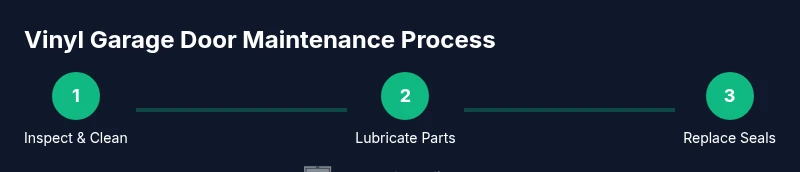
Regular maintenance keeps a vinyl garage door operating smoothly and looking good. Clean the surface with mild soap and water to remove dirt and grime; avoid abrasive cleaners that can dull the finish. Lubricate moving parts such as rollers, hinges, and tracks with a silicone or lithium-based lubricant, avoiding spraying near weather seals to prevent residue buildup. Inspect tracks for dents or misalignment and tighten mounting screws as needed. Weather seals should press firmly against the ground with no gaps when the door is closed. If you notice any cracking or tearing in seals or the skin, plan a prompt replacement to maintain energy efficiency and weather resistance.
Pro tip: Schedule a light maintenance check at least once a year and after severe weather events. Keeping a small maintenance log helps you track wear and plan replacements before performance suffers.
Troubleshooting common problems
Common vinyl door issues range from sticking or binding to noisy operation or slow response from the opener. If the door sticks, inspect tracks for debris, ensure rollers and hinges are moving freely, and check for misalignment. A persistent squeak may indicate dry hardware or worn rollers that require lubrication or replacement. If the door won’t stay closed or reverse suddenly, check the opener’s force and limit settings and inspect safety sensors. If gaps appear at the edges, reseal with weather stripping.
For cosmetic issues like fading or minor surface scuffs, clean gently and consider a vinyl-safe polish. Do not attempt to repair structural damage to the panel skin—vinyl panels can be brittle when damaged and may require panel replacement or professional service.
Safety considerations and when to call a pro
Garage doors operate under significant spring tension and heavy weights; handling springs, torsion bars, or remote openers can cause serious injury if done incorrectly. Never attempt to adjust torsion springs or manipulate track alignment without proper training and equipment. If you notice unusual noises, a door that is hard to move, or misalignment that persists after basic cleaning and lubrication, contact a licensed technician. For DIY projects, follow manufacturer manuals exactly, work with a helper, and wear eye protection and gloves during all checks and adjustments.
GarageDoorAdjust recommends erring on the side of safety: when in doubt about structural components or spring systems, schedule professional service to avoid injury and ensure code-compliant installation.
Authoritative sources
- https://www.osha.gov/
- https://www.cpsc.gov/
- https://www.energy.gov/
These sources provide safety standards, consumer guidance, and energy efficiency considerations relevant to garage doors and attached structures.
Tools & Materials
- Safety glasses(Protect eyes from debris and spraying lubricants)
- Work gloves(Grip and protect hands during lifting and adjustments)
- Ladder or step stool(Access tracks and upper hardware safely)
- Measuring tape(Accurate width/height measurements for sizing)
- Level(Verify plumb and track alignment)
- Screwdriver set (Phillips and flathead)(Remove and install hinges, caps, and weather seals)
- Power drill with assorted bits(Fasten screws and mounting hardware)
- Silicone or lithium-based lubricant(Lubricate rollers, hinges, and tracks; avoid getting on seals)
- Mild detergent and clean cloth(Gentle cleaning of vinyl surface)
- Replacement weather seals or weather-stripping kit(Replace worn seals to improve energy efficiency)
Steps
Estimated time: 60-90 minutes
- 1
Prepare the work area and disconnect power
Begin by unplugging the garage door opener and securing the door in a partially open position. Use clamps or locking pliers to prevent accidental movement while you work. This reduces the risk of pinching fingers or the door unexpectedly closing during maintenance.
Tip: Always double-check the power is off and have a helper assist with heavy lifting. - 2
Inspect balance and tracks
Manually lift the door halfway and hold it there. If it doesn’t stay or moves easily, the balance or tension may be off. Inspect tracks for dents, obstructions, or loose mounting screws and straighten or secure as needed.
Tip: Look for uniform gaps between the door and tracks as a sign of proper alignment. - 3
Lubricate moving parts
Apply a light coat of silicone or lithium-based lubricant to rollers, hinges, bearings, and tracks. Wipe away excess to avoid attracting dirt. Avoid lubricating weather seals directly to prevent deterioration.
Tip: Use a small amount and wipe clean; too much lubricant can attract dust. - 4
Inspect and replace weather seals
Check bottom and hinge seals for cracks or tears. If damaged, trim and replace with a compatible weather-stripping kit. Proper weather seals reduce drafts and moisture intrusion.
Tip: Match seal type to door model and climate for best results. - 5
Test opener limits and safety sensors
Reconnect power and run the door via the opener. Check that the door stops cleanly and reverses on obstruction. Adjust travel limits if the door doesn’t fully close or stops short of the floor.
Tip: Test at a comfortable height first, then re-check at closed position. - 6
Check hardware and tighten
Inspect all mounting screws, brackets, and rollers for looseness. Tighten where appropriate and replace any worn components. Re-check track alignment after tightening.
Tip: Over-tightening can strip threads; snug firmly without forcing. - 7
Finalize and clean up
Wipe surfaces, re-check seals, and restore any weather-stripping. Dispose of any old seals properly and store tools safely. Note any parts that may require future replacement.
Tip: Maintain a maintenance log with dates and observed issues.
Got Questions?
What is a vinyl garage door and what makes it different?
A vinyl garage door is made from a vinyl polymer skin over a reinforced frame. It resists moisture, requires less upkeep than wood, and can be insulated for energy efficiency. The downside is limited color and texture options compared to metal or wood doors.
A vinyl garage door is a moisture-resistant door with less upkeep than wood, and it can be insulated for energy savings. It may offer fewer color choices than other materials.
Is vinyl better than wood for garages in humid climates?
In humid climates, vinyl generally performs better due to its moisture resistance and minimal warping. Wood doors require regular sealing and maintenance to prevent moisture damage.
In humid climates, vinyl typically handles moisture better than wood, which needs more upkeep to prevent warping.
Can I insulate a vinyl garage door after installation?
Yes, you can add insulation to compatible vinyl doors or upgrade to insulated panels. Insulation improves energy efficiency and can reduce condensation, especially in attached garages.
Yes, you can insulate a vinyl door if the model supports it; insulation boosts energy efficiency and comfort.
What maintenance does a vinyl garage door require?
Routine maintenance includes cleaning the surface, lubricating moving parts, inspecting tracks and seals, and checking the opener’s safety features. Replacing worn weather seals keeps out drafts and moisture.
Keep it clean, lubricate moving parts, and check tracks and seals regularly.
When should I call a professional?
Call a professional if you notice persistent misalignment, broken springs, or the door operates erratically despite basic maintenance. Safety-critical components should be diagnosed by a trained technician.
If there’s persistent misalignment or spring issues, get a pro involved for safety.
Watch Video
Quick Summary
- Inspect and balance the door to prevent premature wear.
- Lubricate moving parts but avoid weather seals during lubrication.
- Replace damaged weather seals to maintain energy efficiency.
- Do not adjust springs yourself; call a pro for safety.
- Maintain a maintenance log for longevity.