Upvc Garage Doors: Installation & Maintenance Guide
Learn how to inspect, install, and maintain upvc garage doors with practical, step-by-step guidance for homeowners seeking durable, low-maintenance, energy-efficient doors.


This guide helps homeowners inspect, install, and maintain upvc garage doors, from measuring the opening to securing tracks, weather seals, and optional openers. You’ll need basic hand tools, a helper, and safety gear. Expect clear, step-by-step instructions, practical tips, and common troubleshooting ideas to get doors operating smoothly and safely.
What are UPVC garage doors?
UPVC garage doors are durable, low-maintenance panels hung on tracks that slide or lift. Made from unplasticized polyvinyl chloride, they resist warping, corrosion, and fading far better than many wood or metal options. Available in sectional and tilt-up designs, they often include foam insulation for better energy efficiency. According to GarageDoorAdjust, UPVC garage doors offer reliable weather sealing and long-term curb appeal with minimal upkeep. When you choose UPVC, you gain a weather-tight seal that helps reduce drafts around the frame and can contribute to comfort and energy savings over time. This section covers how these doors work, what to look for when buying, and how to plan a successful installation or repair project. Understanding the basics will save you time and stress later.
Why choose UPVC for garage doors?
Choosing UPVC for your garage door is a balance of durability, maintenance, and performance. UPVC resists moisture, salt air, and UV fade better than many alternatives, making it well-suited for coastal or sunny climates. The material’s low friction surfaces mean fewer parts wear out quickly, which translates into less frequent lubrication and fewer repairs. For homeowners, UPVC doors typically offer good insulation, especially when paired with an insulated core and proper weatherstripping. GarageDoorAdjust analysis shows that homeowners who select UPVC doors often experience reduced maintenance compared to wood or traditional steel doors, while still enjoying strong security features and modern aesthetics. Consider your climate, desired insulation, and color/finish options when evaluating options.
Key design and construction features of UPVC garage doors
UPVC garage doors rely on a few core design elements: a rigid UPVC door skin, internal foam insulation, steel or aluminum framework, and tracked hardware (rollers, hinges, and torsion or extension springs where applicable). The door panels are designed to interlock and seal tightly with weatherstrips along the sides and bottom. Insulation values depend on core material and thickness, but even modest cores reduce heat transfer. High-quality UPVC doors often incorporate impact-resistant coatings and multi-point locking for enhanced security. When shopping, look for a reputable profile, adequate locking hardware, and compatible openers. A clean, sturdy frame is essential for smooth operation and long-term performance. In addition, verify warranty terms and ensure color stability across seasons and sun exposure.
How to measure and plan for UPVC doors
Accurate measurement is critical when selecting UPVC garage doors. Start by measuring the width of the opening at three points: left, center, and right. Record the smallest width as the actual door size to prevent binding. Next, measure height at the center and at the sides, noting the lowest clearance, such as ceiling beams or overhead fixtures. Check headroom (the space above the door) and side room for tracks and hardware. Inspect jambs for plumbness and any signs of deterioration. Decide on door type (sectional vs. tilt-up) and confirm compatibility with an existing opener if you plan to reuse it. Finally, evaluate insulation needs (R-value) and weather-stripping options to ensure a tight seal against drafts. If you’re unsure, consult a pro to validate measurements and sizing before purchase.
Installation basics and safety considerations
Installing UPVC garage doors can be complex and physically demanding. Always disconnect power to any existing opener before starting. Use a helper to manage heavy panels and components, and wear safety glasses and gloves. Create a clean, level work surface and secure the door framing before mounting tracks. Align tracks carefully to ensure smooth operation and avoid door binding. When adding an opener, select a model compatible with your door type and follow manufacturer instructions precisely, including safety sensors. Do not force components into place; if something resists, re-check measurements and alignment. If you’re uncertain about structural work or spring systems, hire a licensed installer to ensure safety and code compliance.
Maintenance and routine care for UPVC doors
Maintenance for UPVC doors is typically straightforward. Regularly inspect weatherstripping and replace worn seals to preserve insulation. Lubricate moving parts such as rollers and hinges with a silicone-based lubricant; avoid petroleum-based products that can degrade plastic. Clean tracks with a soft brush to remove dust and debris, ensuring smooth movement. Check the operation of any manual release and the safety features on the opener. Schedule periodic checks for alignment and balance; misaligned doors can stress hardware and shorten life. A simple maintenance routine can extend the life of UPVC doors and maintain their appearance over many seasons.
Common issues and troubleshooting
Common problems include misaligned tracks, sticky operation, and weather leaks. If the door hesitates or drags, check track alignment and clear obstructions. Worn weatherstripping allows drafts and increases noise; replace seals as needed. If the door makes unusual noises, inspect rollers and springs for wear (note: springs require professional handling). Check the opener limit settings and safety sensors if the door fails to open or close fully. For warped panels or significant cosmetic damage, replacement may be required. Regular inspection and timely maintenance help prevent major failures and extend door life.
Longevity, warranty, and choosing a professional installer
UPVC garage doors are designed for long service with periodic maintenance. Look for a warranty that covers skin fabrication, insulation, and hardware components. A reputable installer will assess opening dimensions, install proper weather seals, and ensure tracks are straight and level. GarageDoorAdjust recommends prioritizing door quality, correct sizing, and a professional installation to protect warranty terms and ensure optimal performance. For many homeowners, pairing UPVC doors with a compatible opener from a recognized brand provides reliable daily operation and good return on investment over time.
Tools & Materials
- Measuring tape(Minimum 25 ft; measure width at left, center, right.)
- Carpenter’s square(Check framing square and plumb.)
- Safety glasses(Protect eyes from debris during removal and installation.)
- Work gloves(Grip and protect hands when handling panels.)
- Cordless drill(Drive screws for tracks and hardware; use appropriate bits.)
- Phillips and flathead screwdrivers(For fasteners in track mounting and hardware.)
- Level(Ensure frames and tracks are perfectly plumb.)
- Utility knife(Trim weatherstrips or foam cores if needed.)
- Silicone-based lubricant(Apply to rollers, hinges, and tracks; avoid oil-based products.)
- Caulk and weatherstripping(Optional: extra weather protection around the frame.)
Steps
Estimated time: 2-4 hours
- 1
Prepare opening and take measurements
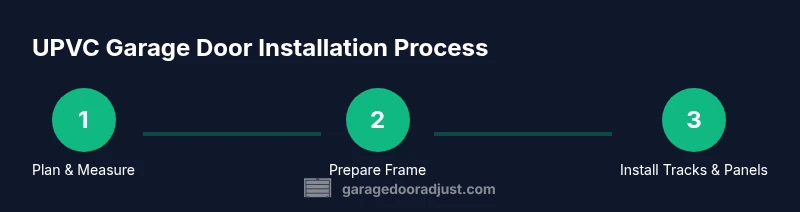
Clear the workspace and verify rough opening. Measure width at left, center, and right, recording the smallest measurement. Measure height at the center and sides, noting the lowest headroom. Confirm jambs are square and free of rot or damage, and choose a door type that fits the opening.
Tip: Double-check measurements with a helper; small errors here cause binding later. - 2
Remove old door and prep frame
If replacing, carefully detach any existing panels and hardware. Clean tracks and remove debris from the opening. Inspect the frame for level, then repair or replace damaged framing before proceeding.
Tip: Take photos during removal to simplify reassembly and ensure correct alignment. - 3
Install frame and weather sealing
Position the new UPVC frame square in the opening and secure it with screws. Install weatherstripping around the perimeter to prevent drafts and moisture ingress. Re-check plumb and level before continuing.
Tip: Use shims if the opening is not perfectly square; this helps prevent binding later. - 4
Mount tracks and panels
Attach vertical tracks to the frame, then install horizontal tracks and panel connectors. Raise door panels into position with an assistant, ensuring each panel seats properly in its track before securing.
Tip: Don’t rush; misaligned tracks create long-term operation issues and noise. - 5
Install rollers, balance, and test
Install rollers and ensure smooth movement along tracks. Check balance by lifting doors manually; it should stay in place without dropping. If you plan to install an opener, mount it following the manufacturer’s instructions and verify safety features.
Tip: Balance testing should be done with springs and hardware fully secured by a professional when required. - 6
Connect opener and finalize
If using an electric opener, connect it and set travel limits. Test open/close cycles with safety sensors and confirm the automatic reverse function works. Re-torque fasteners and inspect weather seals for an even seal all around.
Tip: Record the settings for future adjustments and avoid altering safety features.
Got Questions?
Are UPVC garage doors durable?
Yes. UPVC is resistant to rot, corrosion, and weathering, making it a durable choice with low maintenance. The door’s rigidity and insulation contribute to long-term performance with minimal upkeep.
Yes, UPVC garage doors are durable and require little upkeep, thanks to the material’s resistance to rot and weathering.
Do UPVC doors insulate well?
Many UPVC doors include foam cores and sealed profiles that improve insulation compared with bare metal or wood. Insulation helps reduce heat transfer and can contribute to energy savings when paired with proper weatherstripping.
Yes, UPVC doors can insulate well, especially with foam cores and tight seals.
Can UPVC garage doors be repaired easily?
Minor repairs to hardware or weather seals are common; major panel or frame damage may require replacement. Always assess safety considerations and consult a professional for structural issues.
Some repairs are doable, but major damage should be handled by a professional.
Do UPVC doors require more maintenance than metal?
UPVC generally requires less maintenance than wood and often less than some metal doors. Regular lubrication and weatherstrip checks are enough for most homeowners.
They typically need less maintenance than wood and some metals, with periodic lubrication and seal checks.
Is professional installation recommended?
For safety, warranty protection, and correct operation, professional installation is recommended, especially for heavy or high-insulation doors. A qualified installer ensures proper fit and alignment.
Yes—professional installation is recommended for safety and warranty protection.
Are UPVC doors compatible with all openers?
Most modern openers are compatible with UPVC doors, but you should verify compatibility with the door type and track system. Follow the manufacturer’s safety guidelines during pairing.
Most openers work with UPVC doors, but check compatibility with your door type.
Watch Video
Quick Summary
- Measure opening accurately before buying.
- UPVC doors provide low maintenance and solid insulation.
- Prioritize safety; consider professional installation for heavy doors.
- Maintain by lubricating moving parts and inspecting weather seals regularly.