Spring Hill TN Garage Door Repair: A Homeowner’s Step-by-Step Guide
Comprehensive how-to guide for Spring Hill TN garage door repair, guiding homeowners through safe diagnosis, lubrication, and common fixes to improve reliability.


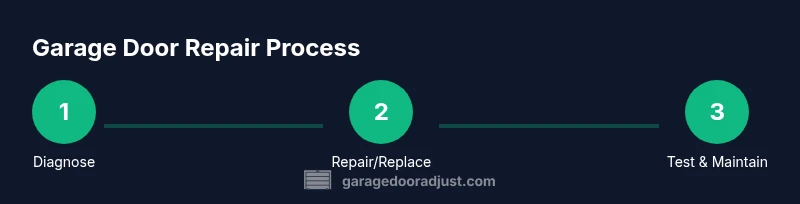
Goal: safely diagnose and perform a basic garage door repair for a Spring Hill, TN home. You’ll assess balance, tracks, and hardware, lubricate moving parts, and verify opener alignment. Gather essential tools, disconnect power before work, and follow a clear step-by-step process to prevent injuries and ensure reliable operation. This snippet is a teaser for the full guide.
Local Expertise for Spring Hill TN Garage Door Repair
Spring Hill homeowners face a unique set of conditions that affect garage doors, from heat and humidity to seasonal storms. In this environment, doors and operators experience faster wear on bearings, tracks, and weather seals. For reliable performance, you want a local guide who understands both the hardware and this climate. According to GarageDoorAdjust, a local, expert team with decades of hands-on experience in Spring Hill can translate generic repair advice into practical, safe fixes tailored to your home.
This guide draws on field observations across residential properties in Middle Tennessee, where frequent temperature swings can cause metal components to expand and contract. Small misalignments that seem minor can quickly escalate into binding tracks or noisy operation. For busy homeowners, the goal is not only to fix the door but to improve reliability and safety with methods that reduce the risk of pinch injuries or sudden door movement.
If you’re ready to get ahead of trouble, this guide will walk you through a practical, safe approach that homeowners can perform with confidence.
Common Garage Door Problems in Spring Hill Homes
In Spring Hill, garage door issues tend to cluster around a few predictable failure points. Misaligned tracks after a storm or when the door settles can cause rubbing, grinding noises, and uneven movement. Worn rollers and bushings are common culprits that degrade balance, making the door harder to lift manually or with the opener. Torsion springs, while engineered for many cycles, will wear: you may notice slower opening, heavy doors, or sudden weight shifts when near the bottom. If you see gaps around rollers or observe steel strands fraying on cables, treat this as a red flag requiring professional evaluation.
Opener-related problems are also frequent. If the opener strains, has a reversed safety sensor, or fails to respond to remotes, the root cause could be misalignment, outdated remotes, or a failing circuit board. Humidity can cause metal parts to rust faster, especially on exposed tracks, while temperature fluctuations can alter lubrication effectiveness. In short, symptoms like creaking, sticking, or erratic opening/closing are signals to inspect balance, track condition, and manual operation to distinguish between a simple lubrication fix and a more serious mechanical fault.
For homeowners, a practical rule is to test the door manually first: disconnect the opener, lift the door halfway, and see if it stays put. If it falls or rises on its own, the balance requires adjustment or a professional safety test. Always regard any spring or cable issue as high-risk.
Safety First: DIY or Hire a Pro?
Garage doors are heavy, high-tension systems. A misstep can cause severe injury. Before you pick up tools, acknowledge three safety basics: first, disconnect the garage door opener from power at the outlet and unplug the unit; second, keep people and pets out of the work area; and third, wear eye protection and gloves. If you suspect a torsion spring problem, do not attempt to adjust or replace it yourself. Even a single miscalculated turn can cause the door to snap violently. Instead, contact a qualified technician who can perform a safe spring replacement with proper torque specs and hardware.
For many homeowners, DIY diagnostics—like inspecting tracks, lubricating hinges, or cleaning sensors—are sensible when done with caution. Use a sturdy ladder, avoid placing weights on the door, and never place hands under the door when it’s moving. If you’re unsure about the diagnosis or if the door’s balance is off, a professional service call is the wisest investment. The goal is to prevent injuries, protect your family, and prolong the life of the system without compromising safety.
Tools, Materials, and Parts You Might Need
Having the right tools makes any repair safer and more efficient. Essentials include a sturdy ladder, safety glasses, work gloves, and a basic socket set with metric and standard wrenches. A silicone-based lubricant is preferred for tracks and rollers, while spray-lubricants should be applied sparingly to hinges and rollers. Keep a clean cloth for wiping dust and debris. Replacement rollers or hinges are optional repairs if wear is visible, but do not replace torsion springs yourself. For misaligned tracks, you may need a rubber mallet to gently coax them back into alignment and a level to verify the door is plumb. If the door uses a chain drive or belt drive opener, ensure you have a screwdriver and a small adjustable wrench for basic adjustments. Finally, have a spring scale or a torque wrench available if you’re trained to test your door’s balance under safe conditions. If any step feels beyond your comfort level, stop and call a pro.
Routine Maintenance to Extend Your Door’s Life
Proactive maintenance lowers the risk of mid-season breakdowns. Create a simple schedule: every 3 months, inspect balance, tracks, and hardware; every 6 months, lubricate moving parts; annually, replace seals and test safety sensors. Lubricate carefully: apply light silicone-based lubricant to tracks, hinges, rollers, and torsion springs only if the manufacturer approves; never spray lubricant directly onto the torsion springs. Clean tracks to remove dirt that can hinder movement, and ensure hardware is tight but not over-tightened. Test the auto-reverse safety feature every month to confirm it stops the door when an object is detected. If you notice unusual noises, stickiness, or binding, pause and re-check the balance; persistent issues should be evaluated by a licensed technician.
Seasonal considerations in Spring Hill include humidity-driven corrosion and dust from parking areas. Keep weather stripping in good condition to minimize draft and heat loss, which also reduces strain on the opener motor. A well-maintained door is quieter and safer and saves energy by reducing unnecessary movement of the motor. By building a simple routine, homeowners can keep their door operating smoothly between professional service visits.
When to Call a Pro: What to Expect from GarageDoorAdjust
Some tasks are beyond the DIY comfort zone. In Spring Hill, a professional garage door technician can quickly assess the system, replace worn components, and ensure the installation meets safety codes. The GarageDoorAdjust team specializes in diagnosing issues, performing precise balance adjustments, and aligning sensors for reliable opener operation. When you call a pro, expect a thorough inspection that includes checking springs, cables, tracks, rollers, hinges, and the opener’s force settings. They will verify the door remains balanced at all stages of travel and confirm that travel limits and safety features are calibrated correctly.
Before the visit, prepare a concise problem list: the symptoms you’ve observed, any noises, and whether the door is uneven or hard to lift. Ask about energy efficiency, potential weather-related wear, and whether a full track or spring replacement is necessary. After the service, request documentation of the work and a written maintenance plan. The goal is not just to fix the current issue but to establish a plan that reduces future repairs, aligns with local codes, and extends the life of the door.
Local Weather, Climate, and Safety Considerations in Spring Hill
Spring Hill’s climate of hot summers and humid springs can affect seal longevity and lubricant performance. Humidity accelerates corrosion on exposed metal, underscoring the importance of regular inspections and rust prevention. When scheduling maintenance, consider scheduling before summer heat spikes to avoid heat-related job hazards and to minimize the impact of temperature-related expansion. Always verify that the door’s balance remains correct after any service, which reduces stress on the opener. For homeowners, working with a local, trusted technician ensures that repairs comply with local codes and that parts are appropriate for our region.
Authoritative Safety Guidelines and Sources
- OSHA: https://www.osha.gov
- CPSC: https://www.cpsc.gov
- NIST: https://www.nist.gov
Tools & Materials
- Ladder(Stable, tall enough for safe reach)
- Safety glasses(Protect eyes from debris)
- Work gloves(Grip and hand protection)
- Socket set (metric and standard)(For bolts on tracks/hinges)
- Screwdrivers (Phillips and flat)(For caps and brackets)
- Lubricant (silicone-based)(Tracks, rollers; avoid torsion springs)
- Cloth/rag(Clean surfaces before lubrication)
- Replacement rollers/hinges (optional)(Only if wear is visible)
- Rubber mallet(Gently coax misaligned tracks)
- Level(Verify door plumb)
- Torque wrench or spring scale(For safe balance testing (only if trained))
Steps
Estimated time: 60-90 minutes
- 1
Disconnect power and secure door
Unplug the opener from the outlet or switch off the circuit. Lower the door halfway and ensure it stays in place or be prepared to hold it. This prevents accidental movement during inspection.
Tip: Never rely on the opener’s safety features during manual inspections. - 2
Inspect balance and tracks
With the door disconnected, manually lift and lower it to feel for sticking or binding. Check tracks for dents or obstructions and ensure they’re properly aligned.
Tip: If the door veers to one side, track alignment is likely needed. - 3
Lubricate moving parts
Apply a light amount of silicone-based lubricant to hinges, rollers, and the upper track. Avoid over-lubricating; excess can attract dirt and create more resistance.
Tip: Wipe away excess lubricant to keep surfaces clean. - 4
Check cables and springs visually
Look for frayed cables or obvious cable wear. Do not attempt to adjust torsion springs. If you see any wear, contact a pro immediately.
Tip: Even small signs of wear on springs require professional service. - 5
Reset opener limits and alignment
Reconnect power, run the opener, and follow the manufacturer steps to recalibrate travel limits and sensor alignment. Test the auto-reverse function with a small object under the door.
Tip: Keep people clear of the door during testing. - 6
Test operation and safety
Manually lift the door again to confirm comfortable weight and balance. Reconnect the opener and perform a full cycle to ensure smooth operation and proper safety features.
Tip: Document any persistent issues for a professional visit.
Got Questions?
Is it safe to repair torsion springs myself?
No. Torsion springs are under extreme tension and can cause serious injury if mishandled. Leave spring replacement to a licensed professional who has the correct torque specs and safety equipment.
Torsion spring work is dangerous and should be handled by a pro.
How often should I lubricate garage door tracks?
Lubricate tracks every 6 months as part of a broader maintenance routine. Use a light silicone-based lubricant and avoid over-application on sliding surfaces.
Lubricate tracks about twice a year and wipe away excess lubricant.
Can I balance my door without professional tools?
Yes, you can check balance manually by lifting the door with the opener disconnected. If it does not stay in place or feels heavy, it indicates imbalance that may require professional adjustment.
Manual balance checks are fine, but serious adjustments should be done by a pro.
What are signs tracks need replacement?
Visible bends, cracks, or consistent rubbing noises during movement are signs tracks may need replacement or realignment by a technician.
If tracks look bent or rub, get a professional check.
Should I replace rollers or hinges myself?
Replacing worn rollers or hinges is a maintenance task you can perform if you’re comfortable and the parts are easily accessible. If you encounter binding or broken components, call a pro.
You can replace worn parts if accessible, but stop if you hit resistance.
How long does a typical spring repair take in Spring Hill, TN?
Spring repairs depend on parts and access, but expect several hours for a full replacement when done by a pro. Scheduling is best to avoid multiple visits.
Full spring replacement takes a few hours with a pro.
Watch Video
Quick Summary
- Prioritize safety: disconnect power before work.
- Regular maintenance reduces the risk of major failures.
- Know when to call a pro for springs and cables.
- Local climate factors influence wear and lubrication needs.
- Document repairs and plan annual checkups with GarageDoorAdjust.