Seattle Garage Door: Step-by-Step Troubleshooting and Maintenance
Practical, weather-aware guidance for diagnosing, repairing, and maintaining a Seattle garage door. Learn safety checks, balance tests, track inspections, lubrication, and weather sealing tailored to damp, rainy conditions.


By following this guide, you will diagnose and fix common Seattle garage door issues yourself or prepare for a pro visit. Expect steps for safety checks, door balance, stubborn springs, opener programming, and weather sealing. Before you begin, gather basic tools and confirm the door is fully disengaged from the opener to avoid unexpected movement.
Seattle-Specific Considerations for Your Seattle Garage Door
Homes in the Seattle area encounter unique environmental challenges that affect garage doors. Prolonged rain, high humidity, and seasonal temperature changes can accelerate wear on weather seals, rollers, and tracks. Metal components may develop surface rust if not properly protected, and wooden doors can swell with moisture. In damp climates, regular inspection of weatherstripping and door alignment becomes more important than in drier regions. For homeowners, understanding these climate-related issues helps you plan proactive maintenance rather than reacting to failures. The GarageDoorAdjust team emphasizes routine checks twice a year and after severe weather events, especially during the wet season when doors endure more cycles and potential pinching points. Incorporate Seattle-specific checks into your maintenance routine for best results.
Prioritize Safety: Lockout Before Work
Always disconnect power to the opener before you begin any inspection or adjustments. Use the manual release to disengage the door from the operator, and confirm the door stays in position when you lift it halfway. These steps prevent unexpected movement that can cause injuries or damage. If the door feels heavy or unbalanced when you lift it manually, stop and reassess; binding or a latch into a transition point often signals a need for professional attention. When working in rain or damp environments, dry surfaces and use gloves to maintain grip while you inspect.
Key actions: unplug at the outlet, pull the release cord, and verify the door can be moved smoothly by hand.
Diagnosing Common Symptoms and Their Causes
Common issues with Seattle garage doors include slow operation, unusual grinding or squeaking, jerky movement, or the door not staying in place halfway. Causes range from dry rollers and dirty tracks to misaligned tracks or worn weather seals. Start with a visual inspection for obvious damage—bent tracks, loose bolts, or cracked weatherstripping. If you notice rust on hardware or corrosion near the rollers, plan for replacement parts. A door that reverses incorrectly after hitting an obstacle may indicate faulty safety sensors or an obstruction in the track. Record what you observe and the exact behavior; this helps you determine whether a DIY fix is feasible or if a pro should be consulted.
Checking Door Balance and Spring Safety (Always with Caution)
Door balance is critical for safe operation and long-term lifespan. With the door closed, lift it halfway by hand; if it stays in place, the balance is good. If it rises or falls, the springs or cables may be out of balance. Do not attempt to adjust torsion springs yourself; these components store high tension and can cause severe injury. Instead, note the symptoms and contact a trained technician. For garage door systems in the Seattle climate, balance checks should be done regularly, as temperature fluctuations can affect spring tension and cable wear over time. If you hear a loud creak when the door moves, it could indicate worn springs or damaged tracks needing professional attention.
Inspecting Tracks, Rollers, and Hinges for Wear
Damaged or misaligned tracks can bind the door and accelerate wear on rollers and hinges. Look for dents, bending, or loose mounting screws. Tighten loose screws with the proper screwdriver or socket, but never force a misaligned track back into place. Use a level to confirm the tracks are plumb and parallel on both sides. If you note gaps between the roller wheels and the track, or if rollers are cracked or missing bearings, plan to replace them. In Seattle’s damp climate, corrosion can creep into hinge pins and roller axles; inspect and treat metal surfaces as needed to prevent rust.
Lubrication: What to Lubricate and What to Avoid
A regular lubrication routine reduces resistance and prolongs life. Use a silicone-based garage door lubricant on hinges, rollers, and the track joints after cleaning away dust and debris. Avoid spraying lubricant directly on torsion springs or the bearing surfaces of the opener body, as excessive lubrication in these areas can attract dirt and cause slipping. After applying lubricant, open and close the door slowly a few times to distribute the product evenly. In humid environments, wipe away any excess to prevent buildup that can attract dirt.
Weather Sealing, Insulation, and Energy Efficiency
Seattle’s damp air can cause drafts and energy loss if weather seals degrade. Inspect the bottom seal, side seals, and any weatherstripping around the door frame. Replace weather seals that are cracked, torn, or no longer flexible. For wooden doors, consider staining or sealing to protect against moisture. Insulated doors help reduce heat transfer and improve comfort in seasons with significant temperature variation. If the garage is used as a workspace or living area, upgrading insulation and adding a weather seal backer can significantly improve comfort and energy efficiency.
Electrical Checks: Opener Safety and Sensor Alignment
If the opener responds intermittently or fails to reverse on contact with an object, check the safety sensors and wiring. Ensure the sensors are properly aligned, free from dust, and correctly spaced about 6 inches from the floor. Clean the sensor lenses with a soft cloth and verify the LED indicators show proper operation. If the door does not respond to the wall switch, inspect the outlet, the remote batteries, and the receiver logic. For Seattle homes with older openers, consider updating to a modern unit with enhanced safety features, compatibility with smart home controllers, and improved auto-reverse performance.
When to Call a Pro: Understanding Limits and Costs
Springs, tracks, and frame repairs are technical and potentially dangerous. If you identify bent tracks, damaged springs (torsion or extension), or structural issues with the door frame, contact a licensed professional. In many cases, replacement parts can be sourced, but proper installation is critical for safety and performance. While DIY fixes can address minor issues like lubrication or small misalignments, more complex problems should be handled by a pro to avoid injury and ensure code compliance. Expect the cost to vary based on the exact problem, part availability, and labor rates in your Seattle neighborhood.
DIY Troubleshooting Checklist (Printable)
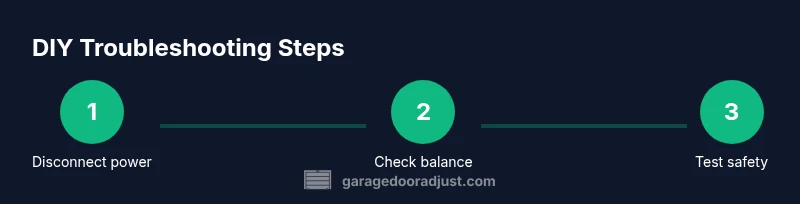
Keep a simple checklist handy to guide your DIY efforts and avoid missing key steps. Check that the door is disconnected from power, test balance by lifting halfway, inspect tracks for alignment, clean and lubricate moving parts, test the opener and safety sensors, and replace weather seals if needed. For ongoing issues that persist after these steps, schedule a professional inspection to prevent further damage. This checklist works well as a quarterly or seasonal refresher in Seattle.
Proactive Maintenance Schedule for Seattle Homes
Create a maintenance rhythm that aligns with Seattle’s seasons. Perform a quick inspection in spring and fall, focusing on weather sealing, track alignment, and lubrication. After heavy rain or storms, inspect for water intrusion and rust on hardware. Maintain a calendar of checks and keep spare weather seals and rollers on hand for quick replacements. Document any replacements or adjustments so you have a maintenance history that helps diagnose issues over time.
Common Mistakes to Avoid During DIY Repairs
Avoid over-tightening screws, which can strip threads and misalign tracks. Do not attempt to rebalance springs or adjust torsion systems without training. Never operate a door that binds or stalls during manual testing without pausing to reassess. Finally, avoid using household lubricants that attract dust or degrade plastic components; always use a product designed for garage doors.
Tools & Materials
- Safety glasses(ANSI Z87.1 or equivalent for eye protection)
- Work gloves(Leather or reinforced gloves for grip and hand protection)
- Step ladder(Stable, non-slip, tall enough to reach top sections)
- Screwdriver set (Phillips and flat-head)(Assorted sizes for screws on hinges and brackets)
- Adjustable wrench(For nuts and bolts on hardware and track mounting)
- Pliers(Needlenose or slip-jjoint for gripping and adjusting small parts)
- Hex keys or socket set(Common sizes for set screws on hinges and brackets)
- Garage door lubricant (silicone-based)(Lubricate hinges, rollers, and joints; avoid springs)
- Measuring tape(2–3 ft range is enough for track alignment checks)
- Flashlight(Bright, focused light for dark corners and tracks)
Steps
Estimated time: 45-60 minutes
- 1
Disconnect power and secure the door
Locate the garage door opener’s power source and unplug it. Use the manual release to disconnect the door from the opener, then test that you can lift the door manually and hold it in the middle without it dropping or rising. This ensures your safety before inspecting any components.
Tip: Double-check that the door remains stationary after manual release to avoid unexpected movement. - 2
Test door balance and spring situation
With the door closed, lift it halfway by hand. If it stays put, the balance is likely good. If it moves up or down, springs or cables may be out of balance—do not attempt spring adjustments yourself. Note symptoms to share with a pro.
Tip: Do not attempt to adjust torsion springs; they hold high tension and can cause serious injury. - 3
Inspect tracks, rollers, and hinges
Visually inspect the tracks for dents or obstructions, and verify they are plumb using a level. Check rollers for cracks or wear and ensure hinges are tight. Tighten screws if needed, but do not force misaligned parts back into place.
Tip: Work from the bottom up when checking tracks, and use a rubber mallet gently to nudge a track that is slightly out of alignment. - 4
Lubricate moving parts
Apply a silicone-based lubricant to hinges, rollers, and track joints after cleaning. Wipe away excess to prevent dirt buildup. Do not lubricate torsion springs or bearings inside the opener.
Tip: Test door movement after lubrication to ensure even, smooth operation. - 5
Test opener operation and safety features
Reconnect power and test open/close cycles with the wall switch and remote. Verify auto-reverse works by placing an object in the door’s path. If the door won’t respond or reverses incorrectly, check sensors and wiring.
Tip: Ensure sensors are clean, aligned, and unobstructed for safe operation. - 6
Check weather seals and insulation
Inspect bottom and side weatherstrips; replace any cracked or brittle seals. Seal and insulate as needed, especially if your garage is used as a workspace. This reduces drafts and moisture intrusion.
Tip: Keep a small reserve of weather seals on hand for seasonal maintenance.
Got Questions?
What are common signs a Seattle garage door needs maintenance?
Look for slow or stuck movement, grinding noises, door that won’t stay in place, or reversed operation. In damp climates, rust on hardware and swollen or misaligned weather seals are common indicators. Document symptoms to guide a repair plan.
Common signs include slow operation, unusual noises, and doors that don’t stay in place. Rust and misaligned seals are frequent in damp climates like Seattle.
Is it safe to adjust garage door springs myself?
No. Torsion springs are highly stressed and can cause severe injury if mishandled. Leave spring adjustments to a licensed technician. You can perform safe, non-spring tasks like lubrication and balance testing.
Spring adjustments are dangerous; don’t do them yourself. Call a licensed technician for springs.
Can humidity in Seattle affect garage doors?
Yes. Damp conditions promote rust and swelling, which can slow operation and wear seals faster. Regularly inspect tracks, hinges, and weatherstripping to prevent moisture-related damage.
Humidity can cause rust and swelling; inspect seals and tracks regularly.
What if the door won’t open or close with the opener?
First check power and safety sensors. Ensure the sensors are aligned and free of dust. If still stuck, inspect the tracks and weather seals for obstructions or damage; professional help may be needed for electrical or structural issues.
If the opener stops working, check power, sensors, and tracks. If unresolved, call a professional.
How long does track repair typically take?
Time varies with damage. Minor misalignments can take 30-60 minutes; major track repairs require professional equipment and expertise. Do not attempt to force tracks back into alignment.
Track repair time depends on damage; minor fixes can take about an hour, major repairs need a pro.
Should I replace weatherstripping during maintenance?
If cracked or brittle, yes. Replacing weatherstripping improves insulation and reduces drafts, especially during Seattle’s cool, damp months. Inspect seals at least twice a year.
Replace worn weatherstripping to improve insulation and reduce drafts.
Watch Video
Quick Summary
- Identify Seattle-specific wear patterns and address weather sealing early
- Prioritize safety: lockout the opener and test manual operation
- Balance, tracks, and sensors determine most DIY repair success
- Reserve professional help for springs, major track damage, or frame issues
- Maintain a proactive, climate-aware maintenance schedule