JLR Garage Door DIY Guide: Troubleshooting and Repairs Today
Step-by-step DIY guide for diagnosing and repairing a JLR garage door. Learn safety prep, inspection tips, quick fixes, and when to call a pro. Includes tools, steps, maintenance, and FAQs.


By following these steps, you will diagnose and repair common issues with a jlr garage door, from safety checks to opener adjustments and basic balance fixes. You'll need basic tools, protection gear, and a clear work area. This DIY guide covers non-destructive fixes first and tells you when to call a professional.
Understanding the jlr garage door: Components and scope
In the world of home garages, the term jlr garage door can refer to a common sectional door paired with an electric opener. Regardless of brand naming, most residential doors share core components: the door panels, tracks, rollers, springs, cables, hinges, and the garage door opener itself. Knowing how these pieces interact helps you diagnose performance issues, plan maintenance, and decide when a simple adjustment is enough versus when a professional service is required. For homeowners, the goal is safe, smooth operation with minimal downtime. This guide positions the jlr garage door within a framework of standard mechanisms so you can apply generic, safe fixes that work across many systems. Remember, even if a door is labeled differently, the underlying physics and safety concerns remain the same.
Key components to recognize: panels, tracks (vertical and horizontal), rollers, torsion or extension springs, cables, hinges, brackets, and the opener with its rail, trolley, and safety sensors. Understanding these parts helps you communicate clearly with pros and select the right tools for maintenance tasks.
Symptoms and Diagnosis: Reading the signs
Door problems often manifest as noises, uneven movement, or jerky starts and stops. Common symptoms include grinding sounds from springs, binding along tracks, slow opening or closing, and doors that sag when raised. In many cases, routine wear or misalignment is the culprit rather than a dramatic failure. Start by observing the door’s behavior while operating both manually and with the opener. Note when the issue occurs (cold weather, after heavy use, etc.) and whether it affects the entire door or just a specific section. This diagnostic approach helps you prioritize fixes, identify safety risks, and determine whether the problem is mechanical (springs, cables, rollers) or electrical (opener, sensors). For the jlr garage door, a methodical evaluation that records symptoms will yield the clearest path to safe, effective repair.
Safety First: Protective steps before you start any repairs
Safety always comes first with garage doors. Before touching any components, disconnect the power to the opener at the wall switch and at the circuit breaker if possible. Wear safety glasses and gloves, and keep curious children and pets away from the workspace. If you’re working on raised panels, ensure you’re using a sturdy ladder and stable footing. Never place hands or fingers near moving parts while the door is in operation, even if you’re just testing a track or hinge. With the door closed, check for any loose hardware or damaged weatherstripping, and plan work only when cold and the door is at rest. These precautions reduce the risk of injury and accidental door movement during maintenance.
Inspecting the Core Components: Springs, Cables, Tracks, Hinges
Begin with a visual inspection of springs and cables. Look for any signs of wear, gaps in spring coils, or rust on metal components. Inspect the vertical and horizontal tracks for dents, obstructions, or loose mounting screws. Check rollers for flat spots and a smooth roll in the track. Examine hinges for looseness and ensure brackets are firmly attached to the door and frame. If you notice any frayed cables, damaged springs, or obvious misalignment, avoid making adjustments that could cause a sudden failure. Document findings and rank repairs by safety risk, then proceed with non-destructive adjustments first.
Non-Destructive Fixes You Can Try Today
If the issue seems mechanical but not dangerous, start with non-destructive fixes: tighten loose hardware, lubricate moving points with a silicone-based spray (avoid petroleum-based products on nylon rollers), and clean tracks to remove debris. Ensure the door balance by testing it manually (with opener disconnected) to see if it stays in place when raised halfway. Adjusting limit switches or safety sensors should be done per the manufacturer’s guidelines; never override safety features. For weather stripping, replace worn seals to reduce drafts and noise. Document changes and test operation slowly, in short cycles to verify stability. These steps often restore smooth operation without professional intervention.
When to Involve a Professional: Understanding limits and safety boundaries
Certain tasks are best left to certified technicians. If you encounter torsion springs under tension, a door that refuses to stay balanced, cables that appear frayed, or repeated opener reversals with no clear cause, pause and call a pro. A professional can safely replace springs, adjust tension, realign tracks, and calibrate the opener using the correct torque and safety standards. In the meantime, avoid DIY fixes that require disassembly of high-tension components. For homes with multiple doors or outdated systems, a professional service can evaluate overall performance, recommend upgrades, and prevent future failures.
Maintenance Schedule and Preventive Care for a JLR Garage Door
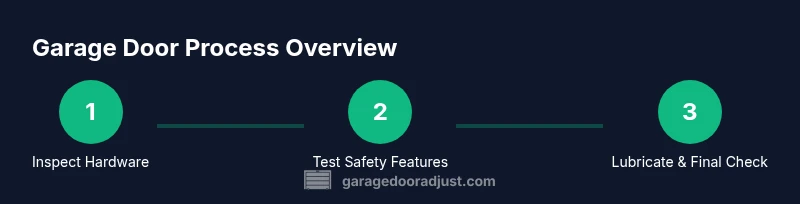
Create a simple maintenance rhythm to extend the life of your door: inspect and lubricate moving parts every 3-6 months, tighten hardware annually, and replace weather seals as needed. Keep a log of inspections, noting any unusual noises, changes in movement, or sensor alerts. Regular cleaning of tracks and rollers prevents abrasive wear, and testing the safety features monthly helps ensure reliable operation. If you use your door frequently in extreme weather, increase inspection frequency to catch issues early before they escalate.
Planning an Upgrade: Opener replacements, insulation, and accessories
If you’re upgrading your jlr garage door system, start by selecting a compatible opener with modern safety features such as automatic reversing sensors. Consider insulation upgrades for energy efficiency, particularly in unheated garages. Additional accessories like smart remotes, battery backups, and updated weather-stripping can improve convenience and performance. Before purchasing, verify compatibility with existing tracks and reinforcement brackets. A well-planned upgrade reduces friction, lowers noise, and extends the door’s life, while keeping safety a top priority.
Tools & Materials
- Safety glasses(ANSI-rated safety glasses; keep for all inspections and adjustments)
- Work gloves(Thick, cut-resistant gloves to protect hands during handling)
- Stable ladder(A ladder tall enough to reach tracks safely; non-slip feet)
- Flashlight/headlamp(Bright, adjustable lighting to inspect tracks and springs)
- Wrench set(Combination wrenches or socket set for mounting hardware)
- Screwdrivers (Phillips and flat-head)(For hinge screws and bracket adjustments)
- Allen wrenches(Common sizes for set-screws in some hardware)
- Lubricant (silicone-based)(Spray-on silicone for hinges, rollers, tracks; avoid nylon-friendly lubricants on nylon rollers)
- Rags or shop towels(For cleaning tracks and wiping lubricants away from surfaces)
- Torque wrench (optional)(Helps ensure correct torque on mounting bolts if specified by manufacturer)
- Marker and tape measure(Mark track alignment and measure gaps if needed)
Steps
Estimated time: 60-90 minutes
- 1
Power down and secure the workspace
Turn off the opener at the wall control and disconnect power at the circuit breaker if possible. Clear the floor of tools and set up your ladder away from moving parts. Confirm the door is fully closed and stabilized before starting any inspection.
Tip: Always verify power is off to prevent sudden door movement. - 2
Manual balance test with opener disconnected
Lock the door in the closed position and try lifting it manually about a third of the way up. If it stays and feels balanced, springs are likely okay. If it falls or is extremely hard to move, there may be tension issues.
Tip: If the door is heavy to lift, stop and consult a pro for springs or cables. - 3
Inspect tracks for obstructions and misalignment
Look for dents, debris, or misaligned tracks. Use a level to confirm vertical tracks are plumb and brackets are tight. Gently realign if needed, avoiding forceful bending.
Tip: Only nudge tracks slightly; severe misalignment requires professional alignment. - 4
Check springs and cables (visual inspection)
Examine torsion springs for gaps or wear, and inspect cables for fraying or separation at anchors. Do not attempt to adjust tension—this is dangerous and typically requires a professional.
Tip: Never touch coils while the door is pressurized. If you see damage, stop immediately. - 5
Test opener and door balance with safety features
Reconnect power and test the door using the wall control. Pull the emergency release to operate manually if needed, ensuring the door returns to rest position smoothly. Verify the automatic reversal sensor stops the door when obstructed.
Tip: Keep hands clear of the door edges during tests. - 6
Lubricate moving parts
Lightly spray silicone lubricant on hinges, roller axles, and track joints. Wipe away excess to prevent dust buildup. Do not lubricate nylon rollers or bearings unless the manufacturer approves.
Tip: Lubrication reduces friction and noise without compromising safety. - 7
Tighten hardware and recheck alignment
Check all mounting screws, brackets, and hinge connections. Tighten them gradually in a crisscross pattern to avoid creating stress points. Recheck track alignment after tightening.
Tip: Over-tightening can strip threads; tighten to snug with steady force. - 8
Final operation test
Open and close a few cycles at a normal speed while watching for binding or sticking. Listen for unusual noises and note any changes in movement. If anything feels off, stop and reassess before continuing.
Tip: Document any new symptoms for your records. - 9
Plan professional service if issues persist
If the door still exhibits uneven movement, persistent noise, or strange sensor errors, schedule a professional inspection. A trained technician can perform precise spring adjustments and track alignment safely.
Tip: Proactive professional service often saves time and money later.
Got Questions?
What safety steps should I take before starting garage door repairs?
Begin by turning off power to the opener and securing the door. Wear protective gear and keep bystanders away. Verify the door is fully closed and rested to prevent accidental movement during inspection.
Start by turning off the power and wearing protection; keep bystanders clear and ensure the door is fully closed before you begin.
Can I fix a noisy door myself?
Many noises come from simple issues like dry hinges, dirty tracks, or loose hardware. Lubricate moving parts and tighten bolts first. If noises persist, especially from springs, consult a professional.
Yes, you can usually fix minor noises with lubrication and tightening, but springs require a pro.
How do I tell if a spring is worn?
Worn springs often look stretched, twisted, or show gaps in coils. If you see fraying cables or uneven door movement, springs may be the culprit. Do not attempt to adjust them yourself.
Look for stretched coils, gaps, or fraying cables; if you’re unsure, call a pro.
When should I replace a garage door opener vs repair?
If the opener is old, frequently failing, or lacks modern safety features, replacement is often more cost-effective than ongoing repairs. For intermittent issues with sensors or remote controls, targeted repairs may suffice.
If your opener keeps failing or is very old, replacement is often better than repeated repairs.
Are torsion springs dangerous?
Yes. Torsion springs hold high tension and can cause serious injury if mishandled. Always call a professional for spring work and never attempt to unwind or adjust them yourself.
Springs are dangerous to handle; let a professional manage them.
How often should I lubricate garage door components?
Lubricate moving parts every 3-6 months, or more often in dusty or damp environments. Wipe off excess to prevent dust buildup and ensure smooth operation.
Lubricate about every 3-6 months to keep things moving smoothly.
Watch Video
Quick Summary
- Inspect and secure before touching any hardware
- Avoid adjusting springs—call a pro for tension work
- Balance and lubrication are often the quickest fixes
- Test safety sensors monthly for reliable operation
- Document each repair step for future maintenance