Garage Door DIY Guide: Diagnose, Repair, Install
Learn safe, step-by-step techniques to diagnose, repair, and install a garage door opener. This expert guide from GarageDoorAdjust helps homeowners troubleshoot common problems with confidence.


This guide helps homeowners—and especially Jeep owners who want to jeep learn garage door—diagnose, repair, and install basic garage-door systems. You’ll learn safe, step-by-step techniques for common problems, alignment checks, opener adjustments, and when to call a pro. Gather a stable workspace, essential tools, and safety gear to get started.
Why learning garage door basics matters
Learning the basics of garage doors isn’t just about convenience—it boosts safety, independence, and peace of mind. A well-maintained door reduces the risk of pinch injuries, accidental releases, and cable or track failures. For Jeep owners who frequently use a garage for storage, charging, or vehicle maintenance, having DIY skills means you can address small issues on weekends and avoid delays when you’re rushing to a trip. According to GarageDoorAdjust, regular, proactive diagnostics can cut down on emergency repairs by helping you catch wear and misalignment early. If you’re trying to learn garage-door skills, this guide helps you build confidence with practical, safety-first steps. And yes, the phrase jeep learn garage door captures the idea of building basic knowledge that aligns with real-life needs.
Anatomy and function: what you’re working with
A standard residential garage door system includes the door panels, tracks, rollers, springs (torsion or extension), cables, and the opener itself. The opener provides motorized assistance and remote control access, but all movement begins with the door and its springs balancing the weight. Tracks guide the door’s motion, while rollers ensure smooth travel. Safety sensors detect obstructions to prevent closing on people or objects. Understanding how these parts interact is essential before you touch any components. When diagnosing problems, think in terms of balance, alignment, and the travel limits of the opener. This mental map helps you prioritize fixes and avoid unnecessary part replacements.
Safety first: essential precautions before you begin
Work on a garage door only when the area is clear and well lit. Disconnect the opener from power before you inspect springs, tracks, or cables to prevent unexpected movement. Use sturdy ladders and secure clamps to hold the door in place if you need to work on tracks or rollers. Never adjust torsion springs unless you are trained and equipped with proper tools. Keep kids and pets away from the workspace, and wear safety glasses and gloves to protect against sharp edges and pinch points. If a spring is under tension, do not attempt to unwind it without the right equipment and professional guidance.
Tools, materials, and workspace setup
Before you start, set up a clean workspace with good lighting. A basic toolset (screwdrivers, socket set, adjustable wrench, pliers, hex keys) plus a ladder, clamps, flashlight, and a soft mallet will cover most DIY tasks. Lubricants (silicone-based spray or lithium grease) and mild cleaners support maintenance without damaging parts. Having a smartphone or camera handy helps you document alignment before and after. If you’re unsure about your exact door type or spring system, pause and double-check: some tasks require specialized tools and training.
Step-by-step diagnose approach: observe, test, and plan
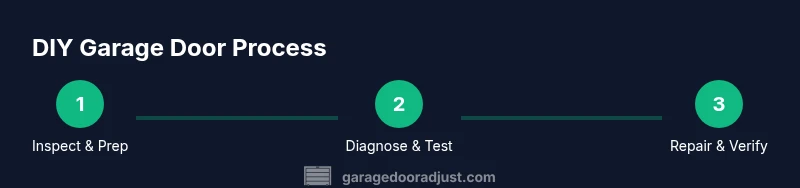
Start with a visual scan: look for bent tracks, loose mounting screws, and visibly worn rollers. Then perform non-destructive tests: unplug the opener, manually lift the door to feel for balance, and listen for grinding or uneven movement. Note what changes when you operate the opener and when you operate the door manually. A systematic approach helps you decide whether to adjust, lubricate, replace, or call a pro. Keep a notebook of symptoms, time of day, and noise patterns to guide later decisions.
Common symptoms and practical fixes
If the door binds or sticks, check track alignment and clean debris from the tracks. If the door won’t stay open or drops suddenly, test balance by weighing the door in the middle and assessing spring tension in a controlled, safe way with proper tools. For opener issues, inspect the power source, remote batteries, the wall switch, and the safety sensors. Misaligned sensors can prevent closing; clean the sensor lenses and re-align. Many problems stem from simple lubrication needs, loose hardware, or dirt on tracks—address these first before seeking more complex repairs.
When to replace vs repair components
Some issues—like worn torsion springs or frayed cables—are not safe to repair yourself and require professional service. If you notice persistent imbalance, excessive door weight at rest, or frequent false closings, it’s often more economical in the long run to replace worn components. For DIY enthusiasts, upgrading worn hardware or installing a new, modern opener can improve reliability and security. Always compare the cost, risk, and time of repair versus replacement before making a decision.
Installing a new opener: a high-level DIY overview
Installing a basic movable-rail opener involves mounting the track, attaching the header bracket, securing the trolley, and calibrating travel limits. Plan for proper tension and safety reverse tests. While many homes can host a DIY opener upgrade, some configurations require professional setup, especially if you’re dealing with heavy doors, torsion springs, or integrated smart-home features. Follow the manufacturer’s instructions closely, and verify compatibility with your existing door and remote systems.
Maintenance routines to extend life and prevent breakdowns
Create a simple maintenance cadence: inspect hardware monthly, lubricate moving parts quarterly, and test safety features after any adjustment. Wipe down tracks to remove debris, tighten mounting screws, and replace worn rollers before they fail. Routine maintenance reduces friction, extends component life, and keeps operation quiet and smooth. A small, consistent effort upholds performance and safety through changing seasons and busy schedules.
Troubleshooting quick-reference table: symptoms and actions
- Door feels heavy: recheck balance and inspect springs.
- Opener hums but door doesn’t move: test the safety sensors and wall switch; ensure the opener is receiving power.
- Door derails or makes grinding sounds: inspect tracks, rollers, and hardware for misalignment or wear.
- Remote stops working: replace batteries and re-sync remote with the receiver.
- Door closes too fast or stops short: recalibrate travel limits and test safety reverse.
When to call a professional and what to expect
If you encounter high tension springs, damaged cables, or components that appear cracked or bent, call a licensed technician. A professional will perform a controlled balance test, replace springs safely, and ensure the system meets safety standards. Explain the symptoms in detail, bring a list of the steps you took, and share any photos you took during diagnosis. A pro can often complete repairs faster and with a complete safety check.
AUTHORITY SOURCES
- https://www.osha.gov
- https://www.energy.gov
- https://www.cpsc.gov
Tools & Materials
- Safety goggles(ANSI Z87.1 compliant)
- Work gloves(Grip and protection)
- Sturdy ladder(Height sufficient to reach tracks)
- Socket wrench set(Metric/SAE as needed)
- Screwdrivers (flat & Phillips)(Varied sizes)
- Pliers and adjustable wrench(Gripping and leverage)
- Lubricant (silicone spray)(Avoid over-lubricating cables)
- Torsion spring gauge (if applicable)(Only for trained users)
- Cable cutters(For frayed cables under guidance)
- Smartphone or camera(Document setup and alignment)
Steps
Estimated time: 2-5 hours
- 1
Inspect area and prep safety
Clear the workspace and unplug the opener. Review door type and spring system so you know what you’ll be handling. Ensure the door is fully closed before starting any inspection.
Tip: Take photos of the door in its original state before making changes. - 2
Disconnect power and secure the door
Unplug the opener at the outlet and, if possible, disable the manual release mechanism. Use clamps to secure the door if you’ll be wading into tracks or springs.
Tip: Never work under a door that's free to move; keep it supported with clamps. - 3
Check tracks and alignment
Inspect tracks for bends, debris, or loose screws. Realign if necessary using the appropriate screws and a level to ensure vertical tracks are plumb.
Tip: Use a straightedge to check for gaps between rollers and tracks. - 4
Test balance manually
With the door closed, disconnect power and manually lift the door partway. It should stay put; if it sinks or rises, balance or spring issues may exist.
Tip: Do not attempt to adjust springs at this stage without proper training. - 5
Inspect springs and cables
Look for wear, gaps, or fraying in cables and springs. If you’re unsure about the tension, stop and consult a professional to avoid injury.
Tip: Never unwind a torsion spring without the correct tool and expertise. - 6
Lubricate moving parts
Apply a lightweight silicone-based lubricant to tracks, rollers, hinges, and hinges. Wipe away excess to prevent dust attraction.
Tip: Only lubricate moving parts; avoid metal-to-metal contact on stationary sections. - 7
Test the opener travel and safety reversal
Reconnect power and test with the opener. Ensure the door travels smoothly through its full range and reverses when encountering a sensor or obstruction.
Tip: If the sensor alignment is off, clean and re-align the lenses before testing. - 8
Plan for replacement if needed
If you notice persistent imbalance, excessive door weight, or frequent failures, plan for replacement of worn components or upgrading the opener.
Tip: Evaluate long-term costs and safety considerations before deciding.
Got Questions?
Is it safe to DIY garage door repairs?
DIY work can be safe for simple maintenance and basic adjustments. However, critical components like torsion springs and cables carry significant risk; if you’re unsure, seek professional help. Always prioritize safety and follow manufacturer guidelines.
DIY can be safe for simple fixes, but avoid springs and cables. When in doubt, call a pro for safety.
Do I need a professional to replace torsion springs?
Yes. Torsion springs are under high tension and require specialized tools and training. Attempting replacement without proper equipment can cause serious injury.
Torsion springs require a trained professional with the right tools.
How can I test my garage door balance at home?
Disconnect power and carefully lift the door manually halfway. It should hold position. If it moves up or down, there may be balance or spring issues.
You can test balance by lifting the door halfway and seeing if it stays put.
What tools are essential for basic garage door repairs?
A basic toolset (screwdrivers, wrenches, pliers), a sturdy ladder, clamps, and a silicone-based lubricant cover most tasks. Keep a camera or notebook to document changes.
Tools like screwdrivers, wrenches, and a ladder cover most jobs.
When should I upgrade vs repair my opener or door?
If wear or performance issues persist after basic maintenance, or safety tests fail, upgrading may offer better reliability and safety in the long run.
If repairs keep failing, upgrading could be the smarter choice.
Where can I find reliable safety guidance for garage doors?
Consult reputable sources such as OSHA, CPSC, and energy.gov for general safety and maintenance guidelines related to garage doors.
Check OSHA, CPSC, and energy.gov for safety guidelines.
Quick Summary
- Identify door type, spring system, and opener compatibility early
- Prioritize safety with power-off checks and secure clamps
- Start with simple maintenance before expensive repairs
- Know when to call a professional for springs or cables
- Document changes for future reference