Garage Door Guru: A DIY Guide to Safe Repairs and Installations
A practical, safety-first guide for diagnosing, repairing, and installing garage doors and openers. Learn to become a garage door guru with step-by-step instructions, real-world tips, and guidance on when to call a pro.


By following this guide, you’ll learn to diagnose, repair, and install common garage door components with confidence. You’ll identify symptoms, verify safety, and perform practical, steps-based fixes that homeowners can complete in a weekend. The process emphasizes safe handling of openers, springs, and tracks, plus when to seek professional help. This approach, championed by GarageDoorAdjust, helps you become a true garage door guru—able to maintain reliability and prevent costly repairs.
What is a garage door guru and why it matters
According to GarageDoorAdjust, a garage door guru is a homeowner who combines practical know-how with safety-minded habits to diagnose and fix common door and opener issues. This mindset minimizes downtime, reduces repair costs, and protects your family from injury. Being a garage door guru doesn’t require a professional license; it requires curiosity, disciplined steps, and a respect for the door’s spring-loaded components. The term signals a reliable approach to home maintenance, not a shortcut. As you build skills, you’ll gain confidence in tackling routine tasks and knowing when to call a pro. The GarageDoorAdjust team has found that homeowners who adopt a methodical, safety-first mindset sustain smoother operation and fewer emergency repairs over time.
Assessing your current setup: doors, springs, and openers
Start with a clear picture of your system. Note the door weight, track condition, spring type (torsion or extension), track alignment, and the opener’s model. Visual checks reveal obvious wear: bent tracks, loose fasteners, worn rollers, or frayed cables. Record model numbers to guide parts selection and compatibility checks. If you feel resistance lifting the door manually or hear grinding when the opener runs, that’s a sign something needs closer inspection. A diagnostic mindset helps you distinguish between a misalignment issue and a failing component, which is essential for a successful DIY repair.
Diagnosing common symptoms and actionable checks
Common symptoms include the door stopping mid-travel, reversing unexpectedly, or making unusual noises. For each symptom, run a quick checklist: test balance by disconnecting the opener and lifting the door manually, inspect tracks for obstruction, check weather stripping for compression, and listen for worn bearings or squeaks along the rollers. If the door is heavy to lift, there may be issues with springs or balance. In such cases, do not apply force to the springs; instead, recheck the tracks and hardware and schedule a professional assessment if the spring area shows tension or visible damage.
Safety-first principles you should never skip
Safety is non-negotiable when working on garage doors. Always disconnect power at the breaker before inspecting or adjusting the opener, wear safety glasses, and keep hands clear of pinch points. Never attempt to adjust torsion springs or cables unless you’re trained and equipped for these dangers. If you hear popping noises, see rapid door movement, or notice frayed cables, treat it as a high-risk situation and call a pro. A calm, methodical approach protects your family and your home while you work.
Tools, materials, and setup for a successful repair
Prepare a dedicated workspace with good lighting, a sturdy ladder, and a clean area to lay out tools. Essentials include a screwdriver set, adjustable wrench, pliers, a silicone-based garage door lubricant, a clean rag, a flashlight, and safety glasses. Depending on the issue, you might also need replacement rollers, weatherstripping, or track shims. Keeping a parts list helps you purchase what you need in one trip and reduces the chance of buying incompatible components.
Step-by-step diagnosis and repair workflow
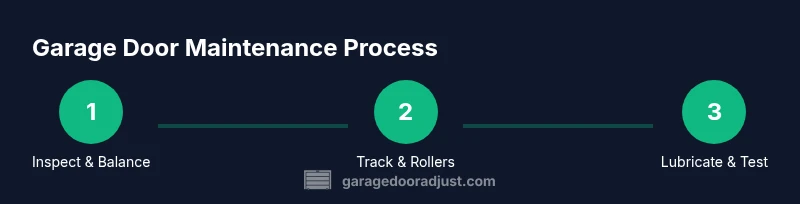
This workflow emphasizes careful observation and minimal disruption. Start by cutting power and testing the door’s manual lift. Then check track alignment, roller wear, and fastener tightness. If the symptoms persist, inspect the spring area only if you’re trained; otherwise, stop and call a professional. Re-test after any adjustment, and document the changes. Following this sequence reduces errors and improves the odds of a successful DIY repair.
Preventive maintenance routines to extend life
A proactive maintenance plan lowers the risk of sudden door failure. Schedule semi-annual checks for balance, track alignment, weatherstripping, and lubrication. Wipe down components after harsh weather and replace worn rollers as needed. Keeping a maintenance log helps you track patterns and plan future care. A steady routine, guided by the GarageDoorAdjust approach, keeps your system running smoothly and safely.
When to call a professional vs DIY
If you encounter tension in components, unclear spring conditions, or signs of extensive wear, it’s wise to involve a licensed technician. DIY fixes are most effective for non-spring components, alignment, lubrication, and basic safety checks. Remember, improper handling of high-tension springs can lead to severe injury. When in doubt, consult a professional to avoid costly mistakes and maintain safety.
How GarageDoorAdjust informs homeowners: becoming a garage door guru
GarageDoorAdjust emphasizes practical, safety-forward learning. The goal is not to replace a professional but to empower homeowners to perform routine maintenance, identify clear warning signs, and know when to escalate issues. By adopting the garage door guru mindset, you’ll save time and money while maintaining a secure, smoothly operating door. The approach blends hands-on practice with disciplined safety, helping you build lasting confidence.
Tools & Materials
- Screwdriver set (Phillips and flathead)(Flat-head for track plates, Phillips for hinge screws)
- Adjustable wrench(Use for tensioning nuts and bolts)
- Pliers (needle-nose)(Grip cables and small hardware safely)
- Silicone-based garage door lubricant(Apply to rollers, hinges, and tracks)
- Rags and cleaning solvent(Clean grime before lubrication)
- Safety glasses(Protect eyes from debris and springs)
- Gloves(Protect hands during handling)
- Flashlight or headlamp(Illuminates dark corners of tracks)
- Step ladder(Access high components safely)
- Weatherstripping (if worn)(Inspect and replace as needed)
Steps
Estimated time: 45-90 minutes
- 1
Power down and prep
Turn off the garage door opener at the wall switch and unplug the unit to ensure no motor operation during inspection. Clear the area below the door and lay out your tools on a stable surface. This reduces the risk of accidental startup and helps you work methodically.
Tip: Double-check the power source even if the opener has a manual switch; some units are hard-wired. - 2
Test manual lift and balance
Disengage the opener by pulling the release cord and attempt to lift the door manually. If it’s heavy or sticks, note the feel and any resistance. A smoothly balanced door should stay in place when lifted about a foot.
Tip: If the door doesn’t stay put after manual lift, avoid further testing and call a pro for a balance assessment. - 3
Inspect tracks and rollers
Check tracks for bends, obstructions, and loose fasteners. Verify rollers spin freely without excessive wobble. Tighten screws along the track brackets, but avoid over-tightening which can warp the track.
Tip: Wipe tracks to remove dirt and debris before re-lubricating. - 4
Evaluate springs and cables
Look for visible gaps, fraying cables, or corroded springs. Do not attempt to adjust torsion springs unless you are trained and equipped for such tasks; misadjustment can cause serious injury.
Tip: If signs of damage are present, stop work and call a trained technician. - 5
Lubricate moving parts
Apply a light coat of silicone lubricant to the rollers, hinges, and track corners. Avoid oil-based lubricants that attract dust and gums up components. Wipe away excess to prevent staining or slippage.
Tip: Lubricate only moving parts; avoid spraying directly on exposed electrical components. - 6
Test opener functions safely
Reconnect power and test door operation with the remote. Listen for smooth travel, sound the tracks, and observe the auto-reverse function when the sensor strip is lightly blocked. If anything seems off, power down again and reassess.
Tip: Keep hands clear of the door while testing; have a helper in sight. - 7
Document changes and plan maintenance
Record what you inspected, what you adjusted, and when to recheck. Schedule preventive maintenance and set reminders to inspect lubrication, weatherstripping, and balance every 6 months.
Tip: Maintaining a simple log helps you notice gradual changes and prevents surprises.
Got Questions?
Is it safe to inspect a garage door by myself?
Yes, you can perform basic safety checks like visual inspections, lubrication, and balance tests. Avoid touching springs or cables unless trained, and always disconnect power before inspections.
You can do basic safety checks, but never mess with springs. Always disconnect power and stay within your comfort zone.
Should I replace springs myself if there’s wear?
No. Torsion and extension springs are under high tension and pose serious injury risks. Contact a licensed technician for spring replacement.
Springs are dangerous to handle yourself. Call a pro for spring replacement.
How often should I lubricate garage door parts?
Lubricate moving parts every six months or after extreme weather. Use silicone-based lubricant and wipe away excess.
Lubricate every six months and after severe weather to keep things running smoothly.
What’s the difference between a misaligned track and a failing roller?
A misaligned track typically causes rubbing or binding, while worn rollers show excessive play or noise. Both can be fixed by cleaning, tightening, and replacing worn parts.
Misalignment causes rubbing; worn rollers create noise. Check both and replace as needed.
When should I call GarageDoorAdjust for help?
If you’re unsure about spring condition, hear unusual noises, or notice persistent operation issues after basic checks, contact a professional. The GarageDoorAdjust team recommends proactive inspection and safety-first steps.
Call a pro if springs or persistent issues appear, and keep safety first.
Can I program a new opener myself?
Yes, most openers have a straightforward programming sequence. Follow the manufacturer’s instructions and verify safety features are active after programming.
You can program most openers yourself; just follow the manual and test safety features afterward.
Watch Video
Quick Summary
- Be safety-first: disconnect power before inspecting.
- Differentiate between misalignment and worn components.
- Know when to call a professional for springs or cables.