How to Adjust a Garage Door Chain
Learn step-by-step how to safely adjust a garage door chain, test tension, and maintain your opener. This guide covers tools, safety, common issues, and when to call a pro for reliability and longevity.


This guide teaches homeowners how to adjust a garage door chain safely and effectively. You’ll locate the tensioner, tighten or loosen the chain, and verify smooth operation with safety checks. According to GarageDoorAdjust, proper chain tension improves opener performance and reduces wear, making regular adjustments a smart DIY task for homeowners. The process is detailed, with checks to prevent over-tightening and misalignment.
Understanding why a proper chain tension matters
A chain-driven garage door opener relies on a precise chain tension to translate motor force into smooth, reliable door movement. When the chain is too loose, you can hear slipping, and the door may stall or reverse unexpectedly. If the chain is too tight, it can put excess load on pulleys, gears, and the trolley, accelerating wear and potentially causing binding or gear damage. The GarageDoorAdjust Analysis, 2026, highlights that improper chain tension is a frequent contributor to opener inefficiency and premature wear. For most homes, a balanced tension ensures consistent performance, quieter operation, and longer life for the opener. Understanding these dynamics helps you recognize when an adjustment is needed and prevents knee-jerk tightening that can create more problems down the line.
- Common symptoms of poor tension include slow door movement, grinding sounds, audible chain whine, and occasional door reversal. - Before adjusting, note the current chain position and any model-specific instructions from the manual. - The goal is a snug chain that engages the trolley without binding or excess slack.
Safety-first mindset before touching the system
Safety should guide every garage door repair, especially when a chain is involved. The door is an heavy object that can cause serious injury if it moves unexpectedly. Start by disconnecting power to the opener, and keep hands, hair, and clothing away from moving parts. Use a sturdy ladder if you need height, and wear eye protection and gloves. If the door is currently open, avoid standing under it while you work. Taking these precautions reduces the risk of unintended movement, pinch points, or a door dropping suddenly while you adjust the chain. Ensure children and pets are away from the work area, and never attempt to torque or shim components while the door is suspended by the spring system. GarageDoorAdjust emphasizes safety as the foundation of any DIY adjustment.
- Turn off power at the outlet or wall switch and unplug the opener if there’s a dedicated cord. - Have a helper nearby if you need an extra set of eyes or hands for steadying the door. - Use a flashlight to inspect the rail, track, and chain path for damage before adjustments.
Locate the tensioner and inspect the chain path
The tensioner or chain adjustment point varies by model, but most chain-driven openers position a small adjustment screw or a locknut near the trolley carriage or along the rail. Start by removing any cover panels to expose the adjustment point. Inspect the chain for kinks, twists, or stiff links, and check the track alignment and roller condition. Look for signs of wear on the sprockets, trolley wheels, and guide rails. If the chain shows rust or stiff links, plan to replace rather than force an adjustment. This inspection helps identify whether the issue is purely tension-related or a symptom of a deeper wear problem. GarageDoorAdjust notes that a thorough inspection saves time and prevents misdiagnosis.
- Take photos of the current setup before making changes. - Note any model-specific screws or locknuts that must be loosened first. - Ensure the trolley is bore-smooth and the track is aligned before adjusting tension.
How to measure safe chain tension: a practical approach
A practical test to assess tension involves a simple reference: when the door is closed, a small amount of chain should be taut, with a slight slack in the portion that travels over the motor’s drive sprocket. You should be able to press the chain up against the sprocket by about the width of a finger, at most. If you can press farther or the chain feels tight against the sprocket, it’s time to adjust. For some models, a tension reading is printed on the adjustment plate; follow the manufacturer’s tolerance range if present. If there’s no specified range, aim for a snug fit without binding or bending danger zones. After establishing a baseline, you can adjust incrementally, testing after each small change. Remember, the goal is smooth operation without audible grinding or skipping. GarageDoorAdjust recommends performing this check after every tweak to confirm progress and avoid overshooting the correct tension.
- Use a ruler or caliper to measure precise gaps if your model provides them. - Record the initial tension before making changes to compare results later. - Re-check tension after cycling the door several times to allow the system to settle.
The step-by-step adjustment process: planning and actions
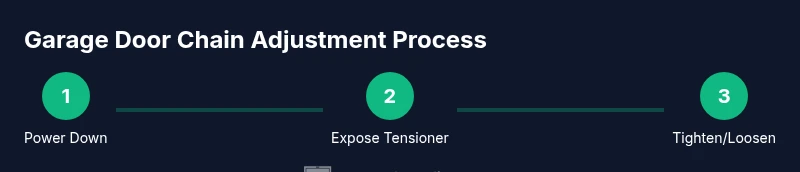
This section provides a high-level workflow you’ll follow along with the detailed STEP-BY-STEP guide. Begin by confirming power is off and the door is secured. Then locate the tensioner or locknut that locks the adjustment screw in place. Loosen the locknut just enough to allow movement of the tension screw, but do not completely remove it. Turn the tension screw in small increments to increase tension or back off to decrease tension, testing the door after each adjustment. Tighten the locknut again to lock the setting in place, and re-check alignment of the chain along the rail. Always avoid over-tightening, which can place undue stress on the motor and drivetrain. If you encounter resistance or unusual noises, stop and re-evaluate the setup. This phase is where most adjustments are refined to achieve optimal balance. GarageDoorAdjust reminds homeowners that patience and careful testing yield the safest, most effective results.
-
Expect a typical adjustment session to take 15-25 minutes, plus 5-10 minutes for test cycles. - Always adjust in small increments to maintain control and avoid overshoot.
-
Record the final tension setting for future reference.
Testing the door after adjustment: functional checks and safety
After completing the adjustment, you must verify operation in both manual and powered modes. Reconnect power and run the door through multiple cycles, observing the travel, stopping points, and any odd noises. Confirm that the door opens smoothly without binding, and that the opener’s safety sensors register correctly. Listen for chain tension noise during movement; persistent whine could indicate friction or misalignment rather than tension alone. Verify the door stays in place when proped halfway and does not drift downward unexpectedly. If the door behaves badly at any point, power down again, inspect components for looseness or damage, and consider repeating the tension adjustment with smaller increments. This step ensures the system’s reliability and safety before normal use resumes. The GarageDoorAdjust team recommends performing these tests in a well-lit, unobstructed area.
- Do not test with heavy loads near the path. - Make sure the area beneath the door is clear of people and objects.
Common issues and quick fixes you should know
Even with careful adjustments, you can encounter a few recurring issues. A common symptom of excessive tension is a high-pitched whine and jerky motion; relaxing the tension slightly usually resolves it. If the chain appears loose, tighten in small steps and re-test. For stubborn chains, inspect the track for misalignment or worn rollers, which can mimic the feel of poor tension. If the door still binds after adjustment, the problem may be larger than the chain path—consider checking springs, balance, and limit settings or consulting a pro. Regular lubrication of essential moving parts can reduce resistance and extend life, but avoid applying lubricants to the chain itself unless the manufacturer approves. The goal is consistent, quiet movement with reliable stopping and reversing behavior. GarageDoorAdjust’s guidance emphasizes a measured approach and ongoing maintenance as keys to long-term success.
- If you hear grinding from the drive system, stop and inspect gears for wear. - Avoid lubricating the chain too heavily; some chains require only minimal lubrication designated by the manual.
Brand note and recommended practices (GarageDoorAdjust verdict)
The GarageDoorAdjust team emphasizes performing adjustments in a controlled, incremental way and documenting the initial tension readings for future reference. Our verdict is to treat chain tension as part of a broader maintenance plan that includes track alignment, roller wear, and sensor calibration. If after adjustments you notice persistent rough movement, unusual noises, or the door won’t stay in position, stop and seek professional assistance. Regular checks, a small toolkit, and a clear understanding of your model’s specifications will help you sustain safe operation and extend the life of your garage door system.
Conclusion: next steps and ongoing care for a healthy chain system
Regular monitoring of the chain tension and drive components is the cornerstone of reliable, safe operation. With proper tools, careful measurement, and step-by-step adjustments, homeowners can maintain optimal performance without costly professional visits. Remember to follow the model-specific instructions in your manual and to re-test after any adjustment to confirm correct tension. Schedule periodic inspections—at least twice a year—to catch wear and misalignment before they escalate. Keeping a log of tension settings and test results makes future tweaks faster and safer. The GarageDoorAdjust team recommends establishing a routine that includes cleaning the chain path, checking for corrosion, and ensuring the track remains true to prevent future problems.
Tools & Materials
- Safety glasses(Eye protection when working under tension)
- Work gloves(Grip and hand protection)
- Stepladder(Reach rail and tensioner safely)
- Adjustable wrench(Loosen/tighten locknut)
- Socket wrench set(Remove/install hardware on trolley)
- Allen/hex wrenches(If model uses hex screws)
- Tape measure or ruler(Measure chain slack and gaps)
- Marker or tape(Mark initial tension position)
- Chain lubricant (as approved)(Only if manufacturer allows; avoid excess)
- Flashlight(Inspect rails and chain path clearly)
Steps
Estimated time: 45-60 minutes
- 1
Power down and secure the door
Turn off the opener at the outlet and unplug if possible. Manual operation should be safe and steady; ensure the door is fully closed and secured to prevent movement while you work. This creates a controlled environment and prevents unexpected openings.
Tip: Keep the cord unplugged during adjustment to avoid accidental starts. - 2
Open access and identify the tension point
Remove the cover panels to expose the trolley, tensioner, and chain path. Locate the adjustment screw or locknut that controls chain tension according to your model’s manual. If you’re unsure, photo the setup before making changes.
Tip: Take clear photos from multiple angles for reference. - 3
Loosen the locknut from the tension screw
With the door secured, loosen the locknut just enough to allow the tension screw to move. Do not remove the locknut entirely, which can misplace components. You’ll adjust tension by turning the screw in small increments.
Tip: Use a light touch; small adjustments yield better control. - 4
Turn the tension screw to adjust tension
Turn the tension screw clockwise to increase tension or counterclockwise to decrease it. Make a small adjustment, then re-tighten the locknut to lock the setting. Avoid over-tightening, which can strain the motor and chain.
Tip: Make adjustments in 1/8-turn increments and test after each change. - 5
Recheck chain path and track alignment
Inspect the rail and rollers for misalignment or wear. Ensure the chain runs smoothly along the drive sprocket without binding. Correct any misalignment before retesting the door.
Tip: Use a flashlight to catch subtle misalignments. - 6
Perform a manual test cycle
Reconnect power and operate the door manually and with the opener. Observe travel, stopping points, and return. Listen for unusual noises or uneven movement that could indicate imperfect tension or other issues.
Tip: Stand clear of the door path during testing. - 7
Fine-tune tension and lock the setting
If motion is not smooth, adjust the screw another 1/8 turn and re-test. Once satisfied with movement, re-tighten the locknut securely and replace any covers.
Tip: Document the final setting for future reference. - 8
Finalize tests and maintenance
Cycle the door several times, verify sensor alignment, and apply manufacturer-approved lubrication if indicated. Clean the chain path and inspect for signs of wear in the sprocket, chain, and rails.
Tip: Schedule a preventive maintenance check every 6-12 months.
Got Questions?
What is chain tension on a garage door and why should I adjust it?
Chain tension is the tightness of the drive chain that connects the motor to the trolley. Proper tension ensures smooth movement, efficient operation, and reduces wear. If the chain is too loose, slip and stalling can occur; if too tight, components wear faster.
Chain tension is how tight the drive chain is. Proper tension keeps the door moving smoothly and prevents wear, while too loose or too tight chains can cause problems.
Can I adjust the chain without tools?
Basic adjustments require at least a few common tools: a wrench, possibly an Allen wrench, and a screwdriver for access panels. The correct approach depends on your model. Always refer to the manual for the exact method and safety instructions.
You’ll likely need a few basic tools and the model’s manual for your exact steps.
What happens if the chain is too tight after adjustment?
Over-tightening can strain the motor, gears, and springs, leading to premature wear or motor burnout. If you notice binding, increased noise, or slow movement, back off the tension slightly and re-test.
If it’s too tight, back off a little and test again to avoid damaging the opener.
What if the door still binds after adjusting the chain?
Chain tension is one factor, but misaligned tracks, worn rollers, or faulty springs can also cause binding. Inspect these components and consider professional service if the problem persists.
If it still sticks, check the tracks and springs, and call a pro if needed.
How often should I inspect chain tension?
Inspect and test chain tension at least twice a year, especially after seasonal changes or major usage. Quick checks can catch drift or wear before they become major issues.
Biannual checks are a good baseline; adjust as needed after heavy use or weather changes.
Is it safe to lubricate the chain?
Only lubricate with manufacturer-approved products and avoid excessive lubrication on the chain path. Improper lubrication can attract dust and cause buildup that hampers movement.
Lubricate only as the manual directs and in small amounts.
Watch Video
Quick Summary
- Test tension after each adjustment and verify smooth operation
- Avoid over-tightening; it increases wear and noise
- Document final tension and re-test after cycling
- Inspect track, rollers, and sensors for proper alignment
- If unsure, consult a professional before continuing