Garage Door Zipper Repair: A Homeowner's Step-by-Step Guide
Learn how to diagnose, replace, and maintain a garage door zipper seal to improve insulation, prevent drafts, and extend door life with a clear, homeowner-friendly guide.


This guide helps homeowners diagnose and repair a garage door zipper seal that impacts insulation and weather sealing. You’ll learn how to identify wear, select a compatible zipper seal, and perform a safe, step-by-step replacement with proper tools and safety precautions.
What is a garage door zipper?
A garage door zipper refers to the zipper-style weather seal or edge-fastening system that runs along the bottom or sides of some insulated garage doors. Unlike a simple rubber gasket, this zipper-like feature helps keep drafts out and reduces energy loss by creating a continuous, tight seal when the door is closed. Over time, exposure to heat, cold, UV light, and frequent opening and closing can cause the zipper to wear, crack, or detach from its track. Understanding how the zipper works is the first step toward a reliable repair, because the right fix depends on whether the zipper is part of the door edge, the insulated panel seam, or a replaceable weather-seal strip.
When you encounter a garage door zipper issue, you may notice drafts, reduced insulation, moisture intrusion, or visible wear along the seal. Addressing these signs early can prevent further damage to the door, opener, and nearby framing. For homeowners, the goal is to restore a secure, weather-tight seal with a replacement zipper that matches the door’s edge and panel profile. GarageDoorAdjust emphasizes careful measurement and material compatibility to ensure long-term reliability.
Diagnosing common zipper problems
A failing garage door zipper can manifest in several ways. Look for frayed fabric, missing teeth, kinking, or a zipper that no longer latches along the seal. If the zipper pulls away from the track when the door closes, the issue may involve misalignment, worn anchors, or a degraded weather-strip channel. Another frequent problem is compression wear where the zipper seal no longer compresses evenly across the door width, allowing drafts to slip in. Inspect both the zipper itself and the door edge to determine whether the problem is the zipper hardware, the seal material, or the mounting points. In some cases, the entire edge strip or panel seam must be replaced to restore performance.
Replacing a worn zipper seal: what to know
If the zipper seal shows significant wear, replacing it is often the most effective fix. Before buying a replacement, measure the door edge length, the seal width, and the type of attachment (screws, clips, or adhesive). Choose a zip-seal that matches the original profile and thickness to maintain clearance with the door jamb and opener. Some zipper seals are designed to be trimmed to length; in other cases, you’ll need a full panel replacement. When in doubt, consult the door manufacturer’s documentation or a professional for compatibility information. Remember that a proper seal not only blocks drafts but also reduces noise and improves safety around the moving door.
Safety considerations and choosing the right replacement
Working on a garage door zipper involves handling heavy door sections and potential pinch points near springs and tracks. Always disconnect power to the opener during work, and use proper PPE such as safety glasses and gloves. Select a replacement zipper that is rated for exterior use and compatible with your door’s edge profile and panel construction. If your door uses torsion springs, avoid placing hands near the spring area and consider professional help for any tasks near the spring system. Proper installation depends on a secure fit to prevent leaks and ensure safe operation.
Step-by-step overview: how the repair works
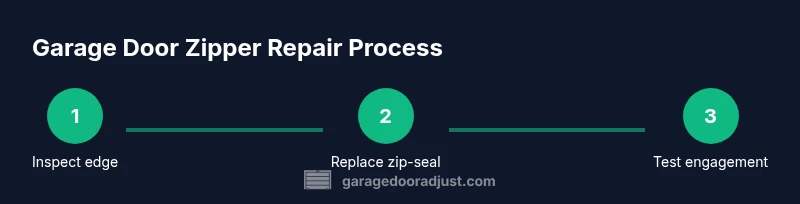
This section gives a high-level flow of the repair process, which is implemented in the detailed step-by-step section below. Start by inspecting the current zipper for wear and confirming compatibility with your door model. Then remove the damaged seal, clean the edge, and prepare the replacement zipper by trimming to the correct length. Install the zipper seal with appropriate fasteners or adhesive, ensuring it sits flush against the door edge. Finally, test the door operation slowly to confirm there’s no binding and that the seal closes evenly along the entire width.
Maintenance tips to extend zipper life
To maximize the lifespan of a garage door zipper, keep the seal clean and dry, remove debris from the edge regularly, and apply a silicone-based lubricant to the zipper teeth or track (avoid petroleum-based products that can degrade rubber). Perform seasonal inspections, especially after severe weather, and re-tighten any loose fasteners. If you notice recurring wear, consider upgrading to a higher-quality zip-seal with weather-stripping designed for your climate. Proper maintenance reduces drafts, lowers energy costs, and preserves the door’s mechanical components.
When to call a pro
If the zipper is deeply split, the seal has torn away from anchors, or the door shows persistent misalignment after a DIY repair, it’s time to call a professional. A trained technician can verify alignment, assess structural issues, and replace sections that require panel removal or edge refitting. GarageDoorAdjust recommends seeking help if you encounter unfamiliar hardware like torsion springs or if you’re unsure about the safe operation of your opener while working near moving parts.
Tools & Materials
- Zip-seal weather strip / zipper seal(Choose a replacement that matches door edge length and thickness)
- Measuring tape(At least 6 feet to measure edge length)
- Utility knife or scissors(For trimming the replacement to length)
- Pliers(To grab and remove damaged components)
- Screwdriver set(For mounting screws or clips)
- Cleaner (isopropyl alcohol) and cloth(Clean edge surface before install)
- Silicone lubricant(Lubricate zipper teeth or channel (water-based preferred))
- Masking tape(Mark alignment before final fastening)
- Screws/clips compatible with door edge(Keep on hand for secure mounting)
Steps
Estimated time: 30-60 minutes
- 1
Inspect zipper compatibility
Check the current zipper’s length and type, and confirm it attaches to the door edge or panel seam. Note any wear, tears, or detachment from anchors. This determines whether you replace just the seal or also mounting hardware.
Tip: Take photos of the current setup to ensure the replacement matches exactly. - 2
Remove damaged zipper
Loosen and remove any screws or clips holding the old zipper in place. Use pliers to gently pull free torn pieces without damaging the door edge.
Tip: Work slowly to avoid bending the door edge or scratching the framing. - 3
Measure and cut replacement
Measure the door edge length and mark the replacement zipper accordingly. Use a utility knife or scissors to trim to the correct length, ensuring clean, straight cuts.
Tip: Always cut slightly longer, then trim to fit for precision. - 4
Install zipper seal
Position the new zipper onto the door edge and secure with screws or clips. Ensure the zipper aligns with the bottom edge and that the seal sits evenly against the jamb when closed.
Tip: Use painter’s tape to hold the seal in place while you secure it. - 5
Align and secure fasteners
Double-check that all fasteners are tightened and that the seal closes flush with the door. Adjust as needed to maintain a uniform seal across the width.
Tip: Avoid overtightening which can distort the seal. - 6
Test operation
Gently operate the door to confirm the zipper seal engages smoothly along the entire width. Look for any gaps or misalignment and address promptly.
Tip: Test with the door both opening and closing to verify full range.
Got Questions?
What exactly is a garage door zipper?
A garage door zipper is a zipper-style seal along the door edge or panel seam that helps block drafts. It can be part of the weather stripping or an integrated edge seal. Wear over time reduces effectiveness and may require replacement.
A garage door zipper is a zipper-style edge seal that helps block drafts; wear means you may need to replace the seal.
Can I replace a zipper seal myself?
Yes, with the right tools and careful attention to measurements, you can replace a garage door zipper seal. Follow manufacturer guidelines and safety steps to avoid injury or damage to the door. If the door uses springs, consider professional help for parts near the spring area.
Yes, you can, but follow safety steps and manufacturer guidelines. If springs are involved, consider a pro.
Is it safe to work near a powered garage door opener?
Always disconnect the opener and ensure the door is secured before starting any work. Keep hands clear of moving parts and wear protective gear. If you’re unsure, pause and seek professional help.
Disconnect the opener and secure the door before working. Wear protection and know when to seek help.
How long does a zipper replacement take?
Most homeowners can complete a zipper seal replacement in 30-60 minutes depending on the door design and access. Complex edge profiles or panel work may take longer and could require professional service.
Most replacements take about half an hour to an hour, depending on the door.
Where can I buy a compatible zipper seal?
Check with the door manufacturer for compatible seals or visit hardware retailers that stock weather seals designed for garage doors. Bringing measurements and door model details will help ensure a proper fit.
Check the door manufacturer or reputable hardware retailers with your door model and measurements.
What maintenance helps prolong zipper life?
Regular cleaning and light silicone lubrication help the zipper seal glide smoothly and last longer. Keep the edge free of debris and inspect after severe weather for any signs of wear.
Clean the edge, lubricate lightly, and inspect after harsh weather.
Watch Video
Quick Summary
- Identify zipper wear early to prevent drafts.
- Measure precisely before buying a replacement.
- Follow safety steps to avoid injury near springs.
- Test the seal thoroughly after installation.
- Maintain the zipper with regular cleaning and lubrication.