Garage Door Replacement Parts: A Homeowner's Practical Guide
A comprehensive guide for homeowners on identifying, sourcing, and safely installing common garage door replacement parts, including rollers, hinges, tracks, weatherstripping, and opener components.


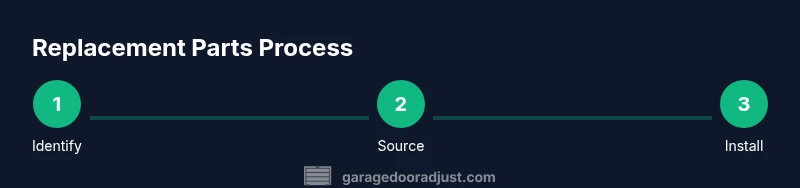
This guide helps homeowners identify and replace common garage door replacement parts—from rollers and hinges to weatherstripping and opener components. You’ll learn how to diagnose wear, source compatible parts, and safely complete a home replacement or decide when to call a pro. The focus is safety, proper compatibility, and thorough testing to restore reliable operation.
What are garage door replacement parts?
Garage door replacement parts encompass any component within the door system that wears out or fails and needs replacement to restore proper function. This includes door-side parts like rollers, hinges, tracks, cables, and weatherstripping, as well as opener components such as gears or sensors. Understanding what counts as a replacement part helps homeowners plan repairs without guessing which piece is failing. In practice, you’ll most often replace rollers and hinges, weatherstripping seals, and minor track hardware. When a part is not compatible with your door’s make, model, or operating system, it can cause misalignment, noisy operation, or unsafe behavior. The term “garage door replacement parts” is broad but practical: it guides you to the specific components that influence balance, travel, and safety. Regular inspection can spot wear before a small issue becomes a major failure, saving time and money in the long run.
Common categories of replacement parts
Replacement parts fall into several broad categories that map to normal points of wear on a garage door system. Door components include rollers, hinges, track sections, and brackets that support the door panels. Spring systems (torsion or extension) control door weight, though springs can be dangerous and typically require a professional. Cables and drums form part of the lifting mechanism, while weatherstripping and seals protect against drafts and moisture. Opener components cover sensing eyes, remote receivers, gears, and limit switches. Hardware like bolts, screws, and mounting plates also wears over time. Knowing these categories helps you quickly identify what to search for when a part fails and ensures you buy compatible pieces that fit both the door and the opener.
How to diagnose when a part needs replacement
Diagnosis starts with careful observation. Look for visible wear on rollers, hinges, and tracks, and listen for unusual grinding or creaking noises during operation. Check for abnormal door balance by manually lifting the door halfway; if it feels heavy or lopsided, components related to balance may be worn. Inspect weatherstripping for cracks or gaps that reduce energy efficiency and allow debris inside the opening. Measure track spacing and check for bent brackets or misaligned tracks. If springs appear stretched or if you notice gap changes in the drums, avoid attempting a repair yourself—springs store energy and require professional service. Keep notes, take photos, and confirm part compatibility with model numbers when sourcing replacements.
Safety first: handling torsion springs and tracks
Safety is non-negotiable when working on a garage door. Torsion springs store significant energy and can cause severe injuries if released improperly. Never attempt to unwind or replace torsion springs unless you are trained and equipped for it. Always disconnect power to the opener and use a non-conductive ladder, eye protection, and gloves. Work with a helper when handling heavy components, and keep bystanders away. If you spot a cracked track, bent brackets, or loose mounting hardware, stop and reassess before proceeding. When in doubt, consult a professional technician who follows current safety standards and local codes.
Compatibility and part selection: brackets, rollers, hinges
Choosing replacement parts requires matching size, shape, and mounting configurations. Start by identifying your door type (sectional, tilt-up, etc.) and gathering model numbers or part numbers from existing components. Compare roller diameter, wheel material, and axle spacing; hinge style and screw patterns must align with door panels. For tracks, verify channel width and height, plus whether you need basic brackets or full channel sections. Weatherstripping should match door jamb dimensions and climate. When shopping, prefer parts from reputable brands or suppliers that provide specifications and warranties. Keeping track of compatibility reduces returns and ensures smooth operation after installation.
Sourcing from reputable suppliers and warranties
Quality parts from reputable suppliers translate to better performance and longer life. Look for clear product specifications, compatibility notes, and a fair warranty. Avoid ultra-cheap, unknown-brand parts that lack documentation or support. Read return policies in case the parts don’t fit or arrive defective. If possible, opt for components with a moderate warranty period and documented installation guidance. For homeowners, choosing reliable sources reduces the risk of misfit parts and ensures that any needed replacements come with traceable provenance. Always verify that the parts match your door’s weight, track type, and spring system.
Installing replacement parts: overview of approach
This section provides a high-level view of the installation workflow, not a replacement for a professional guide. Begin by turning off power to the door opener and ensuring the door is fully closed. Remove the worn component(s) with the proper tools, then align and secure the new part in the same orientation as the old one. Reattach any tracks or brackets and torque fasteners to manufacturer recommendations. After installation, test the door’s balance by lifting manually and observing smooth travel. Do not force misaligned components; realign as needed. Finally, lubricate moving parts and perform a controlled test with the opener to check safety features.
Maintenance and preventive care to extend part life
Proactive maintenance extends the life of replacement parts and maintains safe operation. Regularly lubricate moving metal parts with a light white-lithium grease or silicone spray, focusing on rollers, hinges, and track joints. Wipe away dust and debris from tracks and weatherstripping, replacing seals when signs of wear appear. Check track alignment and re-tighten mounting screws if needed. Inspect cables for fraying and inspect bracket screws for tightness. A simple maintenance routine can prevent early part failure and keep the system running quietly and safely.
When to call a pro and what to expect
Some replacements exceed DIY scope, especially when springs, cables, or high-tension components are involved. If you encounter difficulty aligning tracks, suspect a spring issue, hear banging noises, or cannot regain proper balance, it’s time to contact a licensed garage door technician. A pro will assess the system, verify part compatibility, and handle high-energy components safely. Expect a diagnostic visit, a clear explanation of parts needed, and a written estimate. Regular preventive maintenance by a professional can prevent unexpected failures and extend the life of your garage door system.
Tools & Materials
- Tape measure(Measure door width, track spacing, and part sizes)
- Basic hand tools (screwdrivers, pliers, socket set)(Flathead and Phillips screwdrivers; locking pliers for stubborn components)
- Ladder(Stable, non-slip, tall enough to reach tracks safely)
- Safety gear (gloves, eye protection)(Protect hands and eyes during disassembly and installation)
- Replacement rollers and/or hinges(Choose components matching your door type and size)
- Track hardware brackets(Only if replacing bent brackets or damaged tracks)
- Torsion/extension spring parts(Only if you are trained; springs are energy-packed components)
- Lubricant (silicone spray or white lithium grease)(Apply to rollers, hinges, and tracks after installation)
- Electrical tester (non-contact voltage tester)(Confirm power is off before handling electrical components)
- Weatherstripping seals(Replace if you notice gaps or cracks)
- Shop rag or microfiber cloth(For cleaning tracks and surfaces before install)
Steps
Estimated time: 90-150 minutes
- 1
Identify symptoms and safety prep
Observe how the door operates and note which parts show wear. Gather model numbers and photos of current components to guide replacement choices. Prepare a safe workspace and ensure helper support if needed.
Tip: Take clear photos of each component before removal to guide reassembly. - 2
Power down and secure the door
Disconnect power to the garage door opener and block the door from moving using a temporary device or a helper. Confirm the door is fully closed before touching any hardware.
Tip: Use a non-contact voltage tester to verify no electrical current is live. - 3
Inspect and remove worn components
Carefully inspect rollers, hinges, and brackets for looseness or wear; remove the worn items using the appropriate screwdrivers and wrenches. Do not attempt to replace torsion springs unless you are trained; springs are dangerous.
Tip: Label screws and note their original positions to ease reassembly. - 4
Check compatibility and select replacement parts
Compare the old part with potential replacements for size, mounting pattern, and material. Verify that the new parts match the door type and track configuration to avoid misfit components.
Tip: If in doubt, bring the old part to the store for exact compatibility confirmation. - 5
Install new rollers/hinges and hardware
Mount the new components in the same orientation as the originals and secure with the correct screws. Ensure fasteners are snug but not overtightened to prevent stripping.
Tip: Tighten screws in a crisscross pattern to maintain alignment. - 6
Address springs cautiously
Do not attempt to unwind or replace torsion springs unless you are a trained professional. If spring work is needed, schedule a licensed technician to handle the step safely.
Tip: Document symptoms and discuss them with the pro to determine if spring work is required. - 7
Realign tracks and brackets
Check track alignment and bracket position; adjust as needed to ensure smooth door travel. Loose or bent tracks cause uneven wear and noise.
Tip: Use a level to confirm tracks run true and parallel to the floor. - 8
Reconnect power and perform a controlled test
Reconnect the opener power and test the door at low speed, observing balance and safety features such as automatic reversal. Stop if anything appears unstable or loud.
Tip: Test with the door in a mid-position to gauge balance and control. - 9
Lubricate, clean, and finalize
Lubricate moving parts, wipe away excess lubricant, and tighten any loose fasteners. Keep a repair log for future reference and schedule routine inspections.
Tip: Document dates and parts replaced to guide future maintenance.
Got Questions?
What parts are considered replacement parts for a garage door?
Replacement parts cover door-side components (rollers, hinges, tracks, cables, weatherstripping) and opener components (sensors, gears). Spring systems are also replacable but often require a pro for safety. This guide helps you identify which parts need replacement and how to source them.
Replacement parts include door rollers, hinges, tracks, weatherstripping, cables, and opener components. Springs can be replaced but often require a professional for safety.
Should I replace multiple parts at once?
If wear is evident across several components (rollers, hinges, weatherstripping), replacing multiple parts at once can save time and reduce repeated work. Assess overall condition and budget to decide how many parts to replace in a single project.
If you see wear across several parts, replacing multiple items at once can be more efficient and safer than multiple partial repairs.
How do I know which parts are compatible with my door?
Check the door type, panel configuration, and model numbers on existing parts. Compare dimensions, mounting patterns, and material to replacement parts. When in doubt, consult the supplier’s compatibility guides or bring a part to the store for matching.
Know your door type and model numbers, compare dimensions and mounting patterns, and use compatibility guides or store personnel to confirm matches.
What are common signs of worn weatherstripping?
Look for cracks, tears, or gaps along the door jamb. Missing seals can cause drafts and energy loss, and can allow moisture or pests to enter. Replace weatherstripping when you notice visible wear or air leakage.
Cracks or gaps in weatherstripping indicate wear; replace to seal the opening and improve energy efficiency.
Is replacing a garage door replacement part a big project?
The complexity varies by part. Small components like rollers or weatherstripping are manageable for a DIY repair, while springs and tracks require careful alignment and, often, professional help. Plan for proper tools and time.
It depends on the part—roller or weatherstripping replacements are doable, but springs and tracks usually need a pro.
What maintenance can extend the life of replacement parts?
Regular lubrication, periodic inspection for wear, and prompt replacement of worn components can extend part life. Keep tracks aligned and clean, and replace weatherstripping as needed.
Keep the door lubricated, inspect for wear, and replace worn parts promptly to extend life.
Watch Video
Quick Summary
- Identify worn parts early to prevent bigger failures.
- Verify compatibility before ordering replacement parts.
- Springs require professional handling for safety.
- Test and maintain the door after replacement to ensure safety.