Garage Door Hinge and Roller: DIY Repair Guide for Homeowners
Comprehensive, homeowner-friendly guide to diagnosing, replacing, and maintaining a garage door hinge and roller, with step-by-step instructions, safety tips, tools, and maintenance routines.


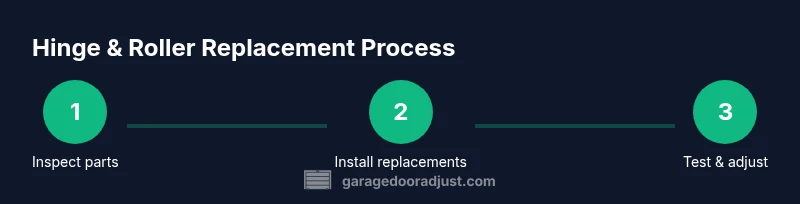
Repairing a garage door hinge and roller starts with a safety check, then inspection of hinges and rollers for wear. Gather basic tools, disconnect the opener, and secure the door. Remove worn rollers and bent hinges, install new components, lubricate tracks, and re-align hinges. Reconnect the opener and test balance. Most single-car doors take about 60-90 minutes for a DIY fix, with professional help for tricky parts.
Why a properly functioning garage door hinge and roller matters
A garage door hinge and roller system is the backbone of smooth, safe operation. The hinge connects door panels and helps manage weight, while the rollers guide the door along metal tracks. When these components wear, doors can bind, shake, or fall off balance, creating safety hazards and loud noise. For homeowners, understanding how hinges and rollers interact with tracks and springs is essential. Regular inspection can prevent sudden failures and extend the life of the door system. In this guide, we focus on common wear patterns, practical repair steps, and preventive maintenance for the average residential setup. The goal is to empower you to diagnose issues, perform safe maintenance, and know when it’s time to call a pro. According to GarageDoorAdjust, addressing hinge and roller wear early reduces the risk of complicated failures and keeps your garage door operating quietly and reliably.
Common symptoms indicating wear and when to replace
Worn hinges and rollers often reveal themselves through a set of telltale signs. If you hear grinding or squeaking around the door’s moving parts, that’s an audible cue of metal-on-metal wear. Visual cues include bent or cracked hinge plates, rounded or cracked roller housings, and rollers that no longer rotate freely. Misalignment—where the door drifts to one side or seems to rub on the track—also indicates degraded hardware. If the door feels heavy or sticks during opening or closing, the rollers or hinges may be contributing to uneven weight distribution. In many cases, replacing worn hinges or rollers restores balance and reduces noise. GarageDoorAdjust analysis shows that proactive replacement of worn rollers is one of the most effective ways to extend door life and improve safety.
Safety first: preparing for repair
Before you touch any moving parts, ensure your workspace is safe. Disconnect power to the garage door opener to prevent unexpected movement, and place sturdy chocks or clamps to hold the door in the fully open position. Wear safety glasses and gloves to protect against sharp edges. Use a stable ladder and keep the work area clear of children and pets. If you encounter a spring or high-torce component, stop and call a professional. The hinge and roller repair process is straightforward for standard doors, but compromised springs or torsion systems require specialized knowledge. With the door secured and power off, you’re ready to evaluate the parts and plan the replacement sequence.
How to assess parts: hinges, pins, and rollers
Start with a close visual inspection. Look for bent hinge leaves, loose screws, or cracked hinge pins. Remove a hinge pin only if you can support the door panel to prevent it from dropping. Inspect each roller wheel for flat spots, cracks, or excessive wobble. If a roller survives multiple cycles but shows wear, plan for replacement. Measure wheel diameter and hinge plate spacing to ensure you buy compatible parts for your door model. Keep a parts list handy and photograph mounting points to help with reinstallation. Based on GarageDoorAdjust findings, mismatched rollers are a common source of misalignment and premature wear.
Maintenance and troubleshooting tips for longevity
Preventive care extends the life of hinges and rollers. Lubricate metal-to-metal contact points (not the plastic wheel bearings) with a lightweight silicone-based spray or garage-door-approved lubricant every 6–12 months, depending on climate. Wipe away old grease and dust before applying new lubricant. Clean the tracks with a damp cloth to remove debris that can impede wheel movement. Check mounting screws for tightness and re-tighten as needed. If you notice persistent squeal after lubrication, inspect for misalignment or binding in the track and address it before replacing parts. Regular maintenance is cheaper than frequent replacements and reduces the chance of sudden door failure.
Reassembly and alignment considerations
When installing new hinges and rollers, start by rejoining the door panels with the hinge plates aligned to original positions. Tighten screws in a crisscross pattern to avoid warping. Reinstall each roller in its track, ensuring it seats fully within the guide. After components are secured, test door balance by manually lifting to the halfway point; the door should stay put. If it drops or rises unexpectedly, you may need to adjust the hinge mounting or track alignment. A precise reassembly ensures quieter operation, smoother travel, and longer part life. The GarageDoorAdjust team emphasizes careful alignment to prevent uneven wear and improve safety.
Authoritative sources and further reading
For safety and best practices, consult reputable sources from occupational safety and consumer protection agencies. OSHA offers general safety guidelines when working around moving machinery and doors, while the CPSC provides consumer product safety considerations related to hardware wear. You can also explore major publications for practical maintenance tips. These resources reinforce the importance of proper technique and caution when dealing with high-torque systems around your garage. The following links offer additional context and safety recommendations to accompany this guide.
Tools & Materials
- Safety glasses(Eye protection during all handling and drilling)
- Gloves(Protect hands from sharp edges)
- Ladder or sturdy step stool(Stable access to tracks and hinges)
- Screwdrivers (Phillips and flat-head)(For screws on hinges and track brackets)
- Wrench set / socket set(For bolts and mounting hardware)
- Pliers(Use for pin removal and grip)
- Replacement hinge plates and roller kit(Ensure exact size and type for your model)
- Lubricant (silicone spray or lithium grease)(Apply sparingly to moving metal parts)
- Decluttered work surface(A clean area helps identify parts and keeps small pieces safe)
Steps
Estimated time: 60-90 minutes
- 1
Secure the door and prepare
Block the door in the open position and disconnect the opener to prevent movement during repairs. Put on safety gear and set up a stable workstation.
Tip: Use a spare piece of wood or clamps to hold the door in place before removing components. - 2
Remove old hinges and rollers
Carefully loosen mounting screws and lift off hinge plates. Remove roller pins and slide out worn rollers from tracks. Have a helper ready if the door is heavy.
Tip: Keep screws organized by position to avoid mix-ups during reassembly. - 3
Inspect parts and measure
Check for bent plates, cracked pins, and worn wheel housings. Measure wheel diameter and hinge spacing to ensure correct replacements.
Tip: Take photos of mounting points for reference when installing replacements. - 4
Install new hinges and rollers
Attach new hinge plates first, tightening screws in a crisscross pattern. Reinsert rollers into tracks and mount them in place.
Tip: Ensure rollers seat fully in the guide before proceeding. - 5
Lubricate and align
Apply a light layer of lubricant to moving metal parts, avoiding the bearings if not specified. Re-check track alignment and adjust as needed.
Tip: Avoid over-lubrication; excess lube attracts dust and can create more wear. - 6
Test balance and finalize
Reconnect power and test the door’s motion. If it drifts or binds, fine-tune hinge mounting and track alignment until the door stays in place at the halfway point.
Tip: Test with the door at several points along its travel path for consistent behavior.
Got Questions?
Do hinge and roller replacements always require a professional?
Not always. For standard garage doors with basic spring systems, a confident homeowner can perform hinge and roller replacements. If you encounter tensioned springs, torsion systems, or unusual hardware, stop and consult a professional to prevent injury.
You can usually replace hinges and rollers yourself, but avoid springs or torsion systems unless you’re trained.
How can I tell if hinges or rollers need replacing?
Look for bent leaves, cracked hinges, wheels that don’t roll smoothly, and tracks that visibly rub against rollers. If the door binds or sags, parts are likely worn and should be replaced.
Watch for wobbling rollers and bent hinges; those typically signal replacement is needed.
What safety precautions should I take?
Disconnect power to the opener, secure the door with blocks, wear eye protection, and keep hands clear of moving parts. Never work under a door supported only by springs.
Power off, block the door, and wear protection to prevent injuries.
How long does hinge and roller repair typically take?
A typical hinge and roller replacement for a standard door can take about 60-90 minutes, depending on your skill level and door configuration.
Most people finish in about an hour to an hour and a half.
Will this repair affect door balance?
Yes, incorrect installation can throw the door off balance. Re-check alignment and balance after installation and test at several points along the travel range.
If misaligned, the door won’t stay where you leave it; re-check alignment after installing parts.
How often should hinges and rollers be maintained?
Inspect and lubricate moving parts at least once a year, or more often in dusty or humid environments. Clean tracks and check fasteners during each inspection.
Annual checks work well; more in harsh climates.
Watch Video
Quick Summary
- Inspect hinges and rollers for wear before work.
- Use the correct replacement parts for your door.
- Prioritize safety and proper alignment during reassembly.
- Lubricate and clean tracks for best performance.
- Test balance after reassembly and adjust as needed.