Garage Door Repair Edmond: Step-by-Step Homeowner Guide
Learn to diagnose and safely repair your Edmond garage door with GarageDoorAdjust's expert step-by-step guide, covering openers, tracks, springs, and precautions.


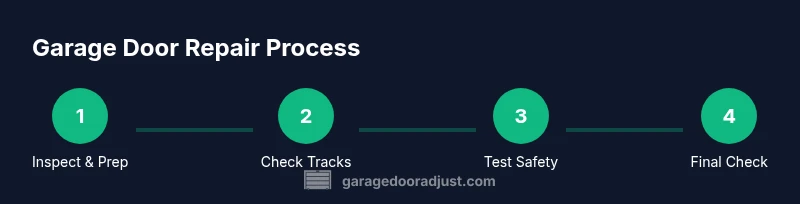
By following this guide, you will diagnose and complete essential Edmond garage door repairs safely and effectively. This plan covers common issues like noisy tracks, misaligned sensors, sagging doors, faulty openers, and broken springs, plus step-by-step actions and safety checks you can perform before calling a pro. It emphasizes safety, tool readiness, and proper sequence to minimize risks.
Safety-first principles for garage door repair in Edmond
Safety is the foundation of any garage door repair, especially in Edmond where winter weather can stiffen components. According to GarageDoorAdjust, begin every project by isolating power to the door and using appropriate PPE. Wear safety glasses, gloves, and sturdy closed-toe shoes, and keep kids and pets away from the workspace. Before you touch any moving part, unplug the opener at the wall and, if possible, disconnect it from the door with the release cord. This prevents unexpected activation while you inspect tracks, springs, and rollers. Clear the work area of clutter; have a bright work light and a stable ladder. If you encounter a door that seems heavy or imbalanced, test manually only after you’ve verified the power is off. Never attempt to modify torsion springs or cables without professional training; spring work is high-risk and can cause severe injury. If you’re unsure, pause and contact a licensed technician. Following these precautions will reduce the risk of injury and set up for a successful inspection.
Common problems in Edmond garages: symptoms and causes
Edmond homes often report a handful of recurring garage door issues. If the door won’t open or closes partway, the opener could be the culprit, or there may be a misaligned safety sensor or an out-of-balance door. Noises such as grinding, squealing, or rattling usually point to dry rollers, worn hinges, or debris in the tracks. A door that sags or binds on one side typically signals worn springs, a bent track, or loose mounting hardware. If the opener runs but the door doesn’t move, check for remote control issues, sensor misalignment, or damaged rollers. Seasonal changes can affect lubrication and tension, so routine maintenance matters. The GarageDoorAdjust team notes that many Edmond repairs are routine tasks rather than major replacements. When obvious damage appears in tracks or springs, pause and consult a professional to avoid injury.
Parts to inspect and maintain: tracks, springs, rollers, lubrication
A reliable diagnosis starts with a top-to-bottom inspection of the door assembly. Inspect tracks for dents, rust, or decoupled mounting screws. Ensure tracks are parallel and properly aligned with the door path. Check rollers for wear or flat spots and replace as needed. Examine hinges for looseness and tighten screws if necessary. For lubrication, apply a light silicone spray or white lithium grease to moving metal parts—rollers, hinge points, and track joints—avoiding excessive lubrication on coils or belts. Clean away built-up dirt and debris that can hinder smooth operation. If you notice frayed cables or frayed spring components, stop and call a pro; these parts store high energy and can cause serious injury. Regular maintenance reduces wear and extends the life of the system.
DIY vs. pro repairs: what you can fix and what to avoid
DIY tasks are suitable for non-critical maintenance like cleaning tracks, tightening loose screws, and lubricating exposed metal parts. However, major components—torsion springs, cables, and the opener’s spring system—are high-risk and should be handled by a licensed technician. If you encounter uneven door balance, abnormal loud noises, or the door won’t stay in a safe position, stop and seek professional help. When in doubt about spring tension or track alignment, opt for a pro to prevent injuries and potential property damage. Remember, attempting complex repairs without proper tools can escalate problems and void warranties.
Aftercare and ongoing maintenance: keeping your door reliable
Create a simple maintenance rhythm to keep your Edmond garage door dependable. Schedule a quarterly quick check: verify that sensors align and respond, test manual balance by lifting the door with the opener unplugged, and inspect tracks for debris. Lubricate annually or after long periods of inactivity, and replace weather seals if you notice cracking or gaps. Keep a basic tool kit handy and replace worn hardware promptly. A small time investment now can prevent costly failures later and ensure your door remains safe for family use.
AUTHORITY SOURCES
- OSHA: https://www.osha.gov
- CPSC: https://www.cpsc.gov
- University Extension (example): https://extension.illinois.edu
Tools & Materials
- Safety glasses(ANSI Z87.1 or equivalent)
- Leather work gloves(Protect hands from sharp edges)
- Screwdrivers (Phillips and flat-head)(Varied sizes)
- Adjustable wrench / socket set(For mounting hardware)
- Cordless drill with bits(Optional for fast screw driving)
- Step ladder (6-8 ft)(Stable with a helper)
- Penetrating oil (WD-40 or similar)(Loosens stuck hardware)
- Silicone spray or white lithium grease(Lubricates metal moving parts)
- Shop rags(Clean and wipe surfaces)
- Tape measure(Assess clearances and alignment)
- Headlamp or work light(Bright lighting for accuracy)
Steps
Estimated time: 60-90 minutes
- 1
Power down and secure the door
Turn off the garage door opener at the wall and unplug it if possible. Engage the manual release cord to prevent automatic movement during inspection; have a helper watch the door for safety. This ensures you can inspect without unexpected door movement.
Tip: Double-check that power is off before touching any moving parts. - 2
Inspect tracks and hardware
Look for bent or dented tracks, loose bolts, and excessive debris. Clean the tracks with a damp rag and a mild cleaner, then tighten mounting screws where needed. Misaligned tracks are a common source of binding and noise.
Tip: Use a level to verify that tracks are parallel and aligned with the door path. - 3
Lubricate moving components
Apply a light silicone spray to the rollers, hinges, and track joints. Wipe away excess lubricant to prevent dust buildup. Avoid over-lubricating columns or belts.
Tip: Lubricate only metal-to-metal contact; avoid nylon track coatings unless specified by the manufacturer. - 4
Test door balance manually
With the opener unplugged, lift the door about halfway. If it stays put, balance is acceptable; if it rises or falls, springs or tracks may require service. Do not adjust springs yourself.
Tip: If the door feels heavy or unbalanced, stop and call a pro immediately. - 5
Check safety sensors and remote controls
Inspect the safety sensors for alignment and clean the sensor lenses. Reconnect the opener and test the auto-reverse function by placing an object in the door path. Confirm remote control and keypad respond reliably.
Tip: Replace batteries and re-pair remotes if responses are intermittent. - 6
Reconnect power and run final tests
Plug the opener back in and test the door’s open/close cycle with moderate speed. Listen for unusual noises and observe any binding. If everything operates smoothly, you’ve completed a solid safety check.
Tip: Document any issues and revisit them if problems recur.
Got Questions?
Can I repair a damaged torsion spring myself?
No, torsion springs store high tension and can cause severe injury if mishandled. Only trained professionals should replace or adjust them. If you suspect a spring issue, contact a licensed technician promptly.
Torsion springs are dangerous; don't try to fix them yourself—call a professional.
What are the signs of a misaligned track?
Look for grinding noises, rubbing on one side, or the door leaning while opening. Debris, bent tracks, or loose mounting hardware can cause misalignment. Realign or replace tracks as needed or call a pro.
If the door grinds or leans when opening, check the tracks and alignment.
Is it safe to lubricate garage door tracks?
Yes, lubrication reduces friction on metal parts like rollers and hinges. Use silicone spray or light grease and avoid over-lubricating pulleys or belts. Wipe away excess lubricant.
Lubricate metal parts only; avoid belts and pulleys with heavy oil.
How long does a typical garage door repair take?
Simple checks usually take about an hour, while complex issues may require more time. Plan for 60-90 minutes for a thorough DIY diagnostic, and call a pro if you encounter springs or alignment problems.
Most fixes take under two hours; big issues call a pro.
When should I replace the opener versus the door?
If the door operates poorly but springs and tracks are sound, upgrading the opener might suffice. If the door is warped or springs are worn, consider replacing the door or components. A pro can help assess the best option.
If springs are worn or the door is warped, replace the door; otherwise, consider a new opener.
Watch Video
Quick Summary
- Prioritize safety by disconnecting power before inspection
- Regular lubrication extends service life and reduces noise
- Springs and cables require professional service
- Balance and sensor checks improve reliability
- Create a simple maintenance schedule to prevent surprises