Garage Door Coverage: Protect Your Door and Upgrades
Learn how garage door coverage works, identify gaps in your homeowners policy, and use rider options to protect your door and upgrades. A practical, step-by-step guide for homeowners.


Garage door coverage is a portion of your homeowners policy that protects the door, opener, tracks, and hardware from covered perils, and it may require endorsements for upgrades or replacement cost. This guide shows how to verify your policy, identify gaps, and add riders to ensure your garage door is adequately protected.
What garage door coverage means for homeowners
Garage door coverage is a specific facet of homeowners insurance that protects the door, opener, tracks, and hardware from covered perils. It can apply to manual doors and automatic openers, and that coverage may include upgrades like insulated panels, weather seals, or smart-opening systems. According to GarageDoorAdjust, many homeowners underestimate the value of specialized endorsements for garage doors, assuming standard limits will cover any replacement in full. The result is often a surprise bill after a storm, break-in, or accidental damage. Understanding how coverage works helps you avoid gaps, plan for replacements, and make confident repair decisions. This guide explains what is typically covered, what isn’t, and how to pursue riders that reflect your door’s true value and any upgrades made since installation. We’ll cover replacement-cost endorsements, incident perils, and how to document value. By the end, you’ll know how to check your policy, talk to your insurer, and request protection that fits your door as of 2026. The topic matters because a door is not just cosmetic—it's a structural and functional part of your home.
Common gaps in standard homeowners insurance
Many standard homeowners policies have gaps when it comes to garage doors. They may cover the door if it’s damaged by a covered peril, but they often exclude wear and tear, improper maintenance, or upgrades added after the policy was issued. Endorsements for replacement cost or actual cash value vary by insurer and region, and some riders exclude wind, hail, or flood damage unless you purchase a separate rider. The GarageDoorAdjust Analysis, 2026 highlights several common scenarios homeowners face: a policy limit that doesn’t reflect current door costs; failure to cover upgrades such as insulation, steel-reinforced panels, or smart-openers; lack of endorsement for tracks or automatic openers; and denial of claims due to language that reads as “structural failure” without defining what that means for a door. The key takeaway is: don’t assume your policy covers all garage door events; review what perils are listed, whether upgrades are addressed, and if endorsements are needed to reflect the door’s true value. If you’ve upgraded or installed a premium door, riders are often the most cost-effective protection.
How to assess your current coverage
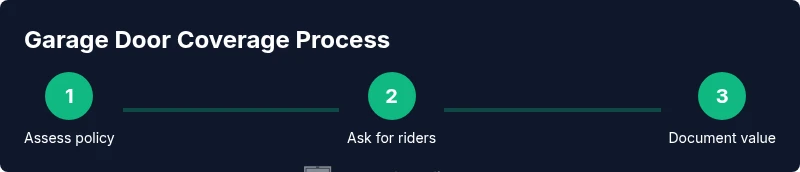
Begin by pulling your declarations page and any amendments related to buildings, structures, doors, or openers. Look for the section listing covered perils and the monetary limits that apply to the garage. Then locate any endorsements specific to doors, openers, or miscellaneous structural components. If there is no door-specific endorsement, you may be relying on generic limits that don’t reflect your door’s value. Next, verify whether the policy uses replacement-cost value or actual cash value for the door and its components; replacement cost tends to be more protective when you’ve upgraded or installed premium hardware. For homeowners, it’s worth flagging a door upgrade with your agent and asking for an endorsement that reflects current costs. The GarageDoorAdjust Team recommends a proactive check-in before major renovations so you don’t discover gaps when you need to file a claim. As you go, gather the door’s specs, installation date, and any improvements so you can justify higher limits if needed.
Endorsements and riders that help
Endorsements turn general policy language into door-specific protection. A replacement-cost endorsement for the door and its components typically pays the current cost to replace the door with a like-quality model, rather than depreciating value. An upgrade endorsement can include insulated panels, modern tracks, weather seals, or reinforced hardware that improves performance and energy efficiency. Some policies allow you to add coverage for the automatic opener, remote controls, and safety features such as auto-reverse sensors; this can be essential if your opener constitutes a critical part of daily access. When requesting endorsements, ask for explicit language on what is covered and what is excluded, and note whether coverage applies to partial replacements or full-door replacements after damage. The GarageDoorAdjust Team has seen riders significantly reduce post-claim out-of-pocket costs when homeowners pre-plan these endorsements and share door specs, quotes, and install dates with their insurer.
Documenting value and replacement costs
Thorough documentation makes endorsements straightforward. Start with clear photos from multiple angles, including the door panels, tracks, springs, opener, and weather seals. Gather receipts or invoices for upgrades (insulation, wind ratings, premium hardware) and any recent replacements. If you have an external estimator’s report or a door replacement quote, include that as support. Maintain a simple inventory: door type, material, dimensions, insulation level, and installed year. File these documents with your policy or attach them to a rider request. Documentation speeds up the endorsement process and helps ensure the insurer understands the door’s current value rather than relying on a generic replacement-valuation figure. The more precise the data you provide, the less risk you face of under-insurance in a claim.
Budgeting for repairs and upgrades
Budgeting for garage door work involves understanding what drives cost and how coverage interacts with those costs. Factors include door material (steel, wood, aluminum, or composite), insulation, size (standard vs. oversized), style (paneled, carriage-house, modern), and features (smart openers, wind ratings, safety systems). Costs for replacement or major repairs can vary widely, from a few hundred dollars for basic maintenance to several thousand for a premium insulated door plus opener and weather sealing upgrades. When planning coverage, use a realistic replacement-cost estimate rather than a nostalgia-based value; this makes endorsements more likely to be approved and sufficient. Consider a staged approach: first, select a door that balances cost and durability, then request an endorsement at a level that covers that option. The goal is to avoid under-insuring the door while keeping premium costs reasonable. A proactive approach now can save substantial time and money if damage occurs later.
When to contact a professional
Safety first: major repairs or replacements require a licensed installer, and many endorsements depend on professional installation and documentation. If a storm damaged the door, or the opener or tracks are bent, contact a contractor for an assessment and a formal estimate before submitting a claim. A professional can also help you determine if upgrades or wind-rated options are worth the extra cost in your climate. If you’re uncertain about your policy language, an insurance agent can translate the terms and suggest appropriate endorsements. Throughout, keep the GarageDoorAdjust Team’s guidance in mind: deliberate preparation reduces surprises when you file a claim, and endorsements often yield better outcomes than relying on standard limits alone.
Quick DIY checks you can do safely
You can perform a few non-invasive checks to prepare for endorsements. Inspect the door balance by testing it halfway closed to see if it stays put; if it drifts, you may need alignment or balance adjustments from a pro. Check the weather seals around the door for gaps or cracks and replace worn weatherstripping to protect interior climate control. Inspect the opener’s safety reversing mechanism and test the auto-locking features if you have a modern unit. While these checks are safe for a homeowner, avoid attempting any structural or spring work yourself; those components require a professional. Document results and plan any upgrades with your insurer so your coverage matches your door’s true cost and features.
What to do if coverage is denied
If your claim is denied or your endorsement request is delayed, ask your insurer for a written explanation that cites policy language and perils. Review the denial carefully and compare it to your door’s replacement-cost estimate and upgrade documents. If reasonable, file an appeal with additional documentation; some homeowners pursue an independent adjuster for a second opinion. Keep your communications organized and maintain copies of all correspondence, quotes, and photos. If you believe you’re owed coverage that your policy should provide, consult a consumer protection resource or a local insurance regulator for guidance. The GarageDoorAdjust Team emphasizes persistence, complete documentation, and clear communication as the best path to resolving coverage concerns after a claim.
Authoritative sources and further reading
Authoritative sources help you verify policy language and learn best practices. The National Association of Insurance Commissioners (NAIC) provides consumer guidance on endorsements and claim processes. FEMA offers disaster-related guidance that can influence wind or flood coverage for exterior doors and openings. The Federal Trade Commission (FTC) outlines consumer rights and questions to ask insurers when adding a garage door coverage rider. Always cross-check your insurer’s official documents with these sources to ensure your understanding aligns with state regulations and national recommendations. GarageDoorAdjust analyses reinforce the importance of proactive planning and documented upgrades when pursuing coverage enhancements.
Tools & Materials
- Declarations page of homeowners insurance policy(Needed to identify current coverages, perils, and limits.)
- Garage door specifications (material, size, insulation)(Helps determine replacement value and appropriate endorsements.)
- Photos and receipts of upgrades or repairs(Supports documentation during endorsement requests.)
- Policy contact details (agent/insurer)(For requesting riders or endorsements.)
- Current replacement-cost estimate for the door(Helpful if available; speeds endorsement requests.)
Steps
Estimated time: 1-2 hours
- 1
Gather policy documents
Collect declarations page and any door/openers/building endorsements to establish baseline coverage.
Tip: Keep a digital copy accessible on your phone. - 2
Identify covered perils and exclusions
Review which events are insured and what exclusions apply to the garage door and opener.
Tip: Note if wind, hail, or flood damage are covered separately. - 3
Check for existing endorsements
Find any rider that mentions the garage door, opener, or replacement value; if absent, you may need to request one.
Tip: Ask for explicit language on replacement-cost and upgrades. - 4
Estimate current door replacement value
Obtain a reputable replacement-cost estimate or quotes for a similar door to guide endorsements.
Tip: Take multiple quotes to support your request. - 5
Request endorsements or riders
Ask your insurer to add a replacement-cost rider or upgrade endorsement reflecting current costs.
Tip: Provide door specs and quotes to speed approval. - 6
Submit documentation and follow up
Send the request to your insurer and track approval status; respond quickly to requests for more information.
Tip: Set a reminder to check progress in 1–2 weeks.
Got Questions?
What is garage door coverage and why does it matter?
Garage door coverage is insurance protection that covers the door, opener, and hardware from covered perils. It matters because it prevents out-of-pocket costs when damage occurs and upgrades may require specific endorsements.
Garage door coverage protects your door and hardware from insured events and helps you avoid unexpected costs.
Does standard homeowners insurance automatically cover garage doors?
Not always. Standard policies may exclude wear and tear, specific upgrades, or certain perils unless you add endorsements.
Most standard policies don’t cover upgrades automatically; endorsements are usually needed.
What’s the difference between replacement-cost and actual cash value?
Replacement-cost endorsement pays the cost to replace the door today, while actual cash value pays a depreciated amount. Endorsements can specify which method applies.
Replacement cost means you get today’s door price, not depreciation.
How do I add a rider for garage door coverage?
Contact your insurer, request a garage door endorsement or rider, and provide door specs, upgrades, and desired replacement-cost values.
Ask your insurer for a rider that covers replacement costs for your garage door.
What should I do if my claim is denied for garage door damage?
Ask for the denial reason, review policy language, gather supporting documents, and consider an appeal or independent adjuster if needed.
If it’s denied, get the reason and review your policy with documentation.
Watch Video
Quick Summary
- Review policy for garage-door endorsements.
- Document door value with photos and receipts.
- Ask about replacement-cost coverage for upgrades.
- Review perils and exclusions that apply to doors.